TOM HOOLIGANOV /INKOTECH/
TOM HOOLIGANOV /INKOTECH/
TOM HOOLIGANOV /INKOTECH/
9 min read
9 min read

[No. 003]
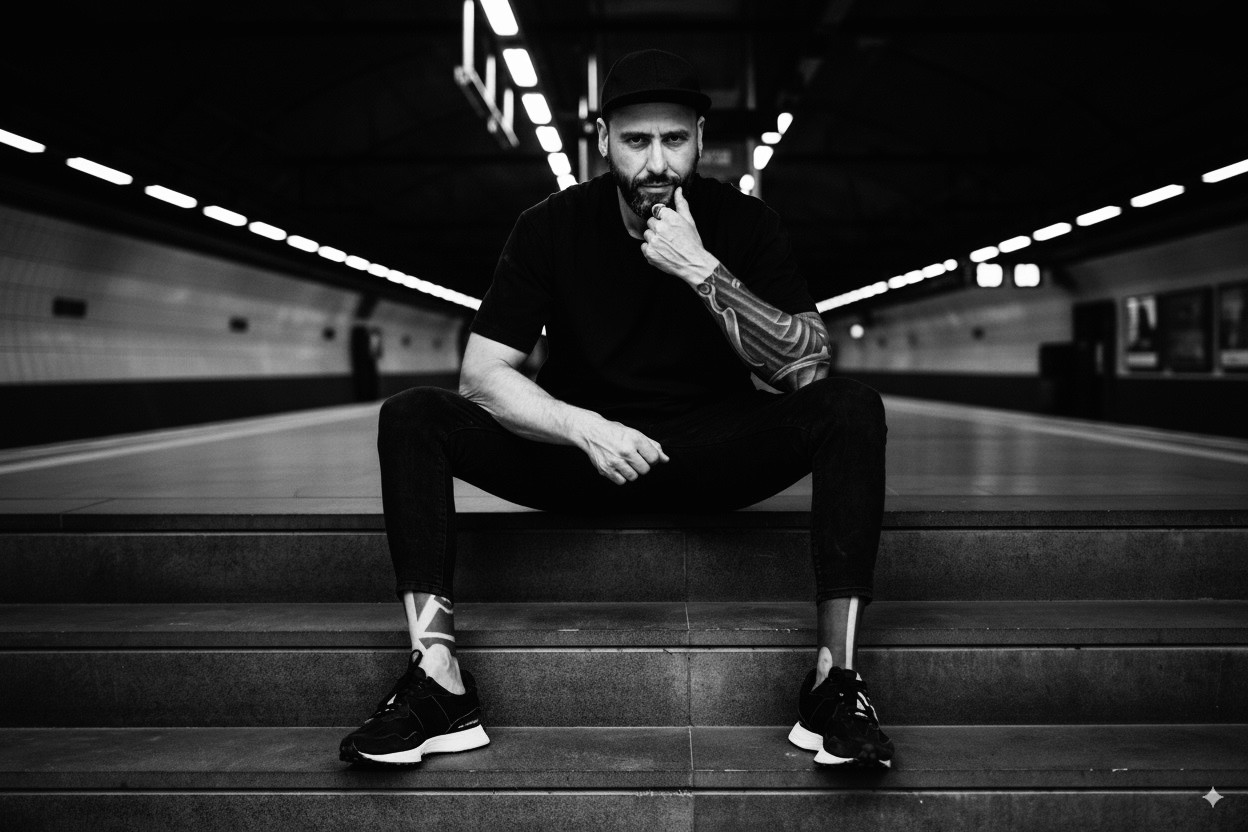
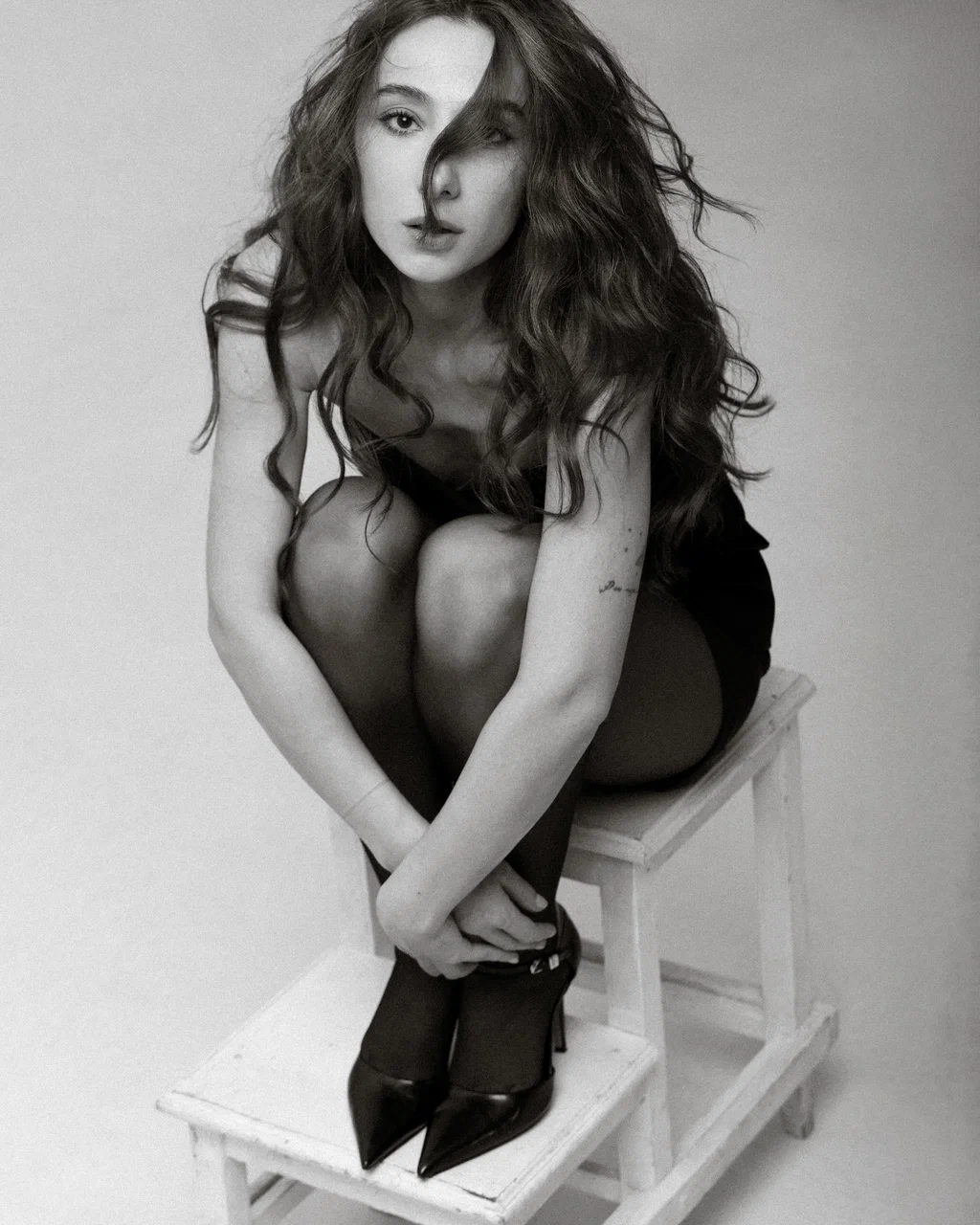
Tom Hooliganov / INKOTECH is a creative vision born from the roots of nightlife and large-scale productions. I have worked with global festivals such as DGTL and ADE music festival, as well as with world-renowned clubs and football institutions like Real Madrid and FC Barcelona. My lens has captured iconic artists including Sven Väth, Âme (Innervisions), Solomun, Stephan Bodzin, and Moderatt.
Today, I collaborate with techno labels in Barcelona, creating visual content for track releases, open-air raves, and campaigns led by leading PR agencies. My philosophy is rooted in architectural aesthetics and subconscious perception — translating dreams, emotions, and the pulse of electronic music into timeless visual narratives.
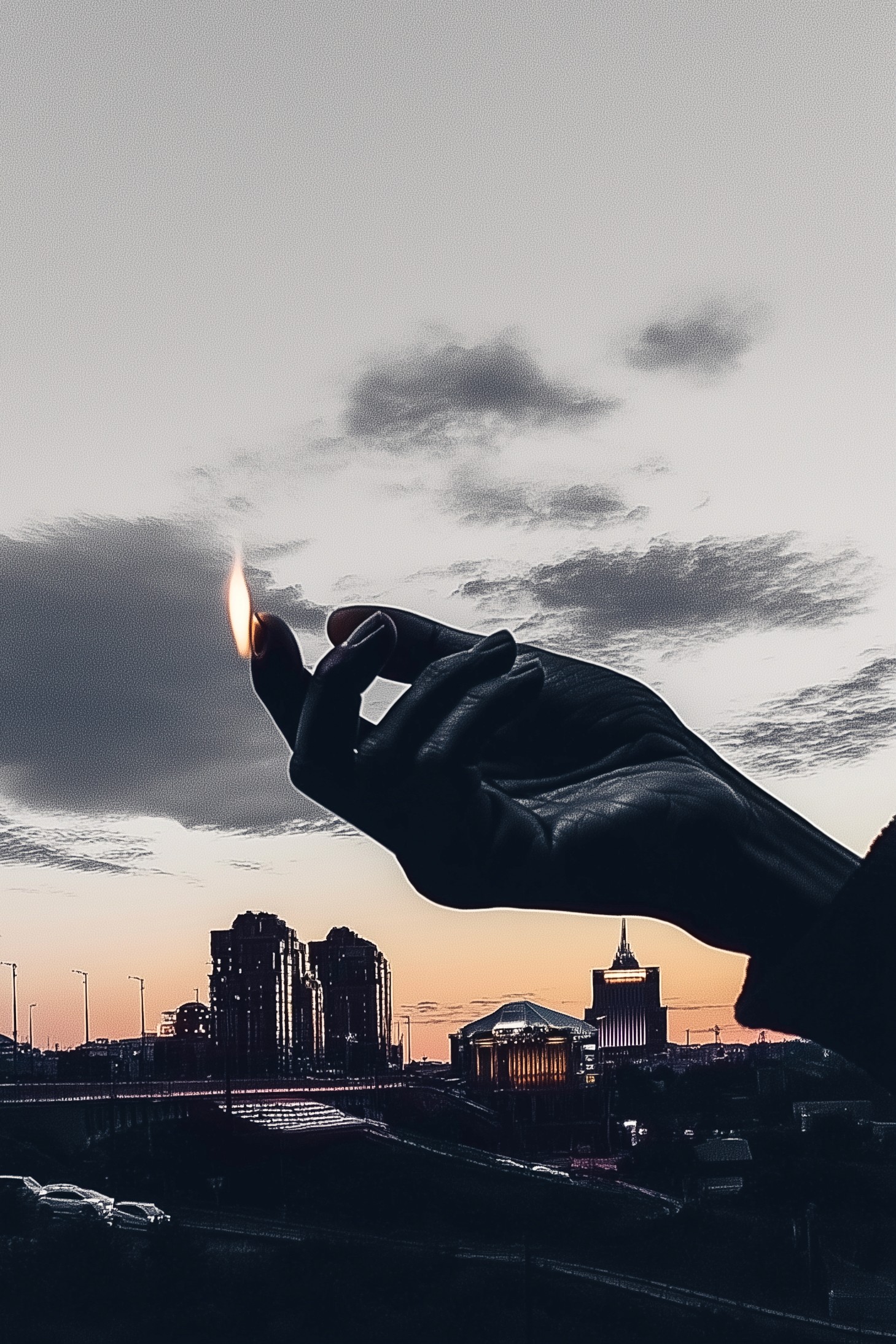
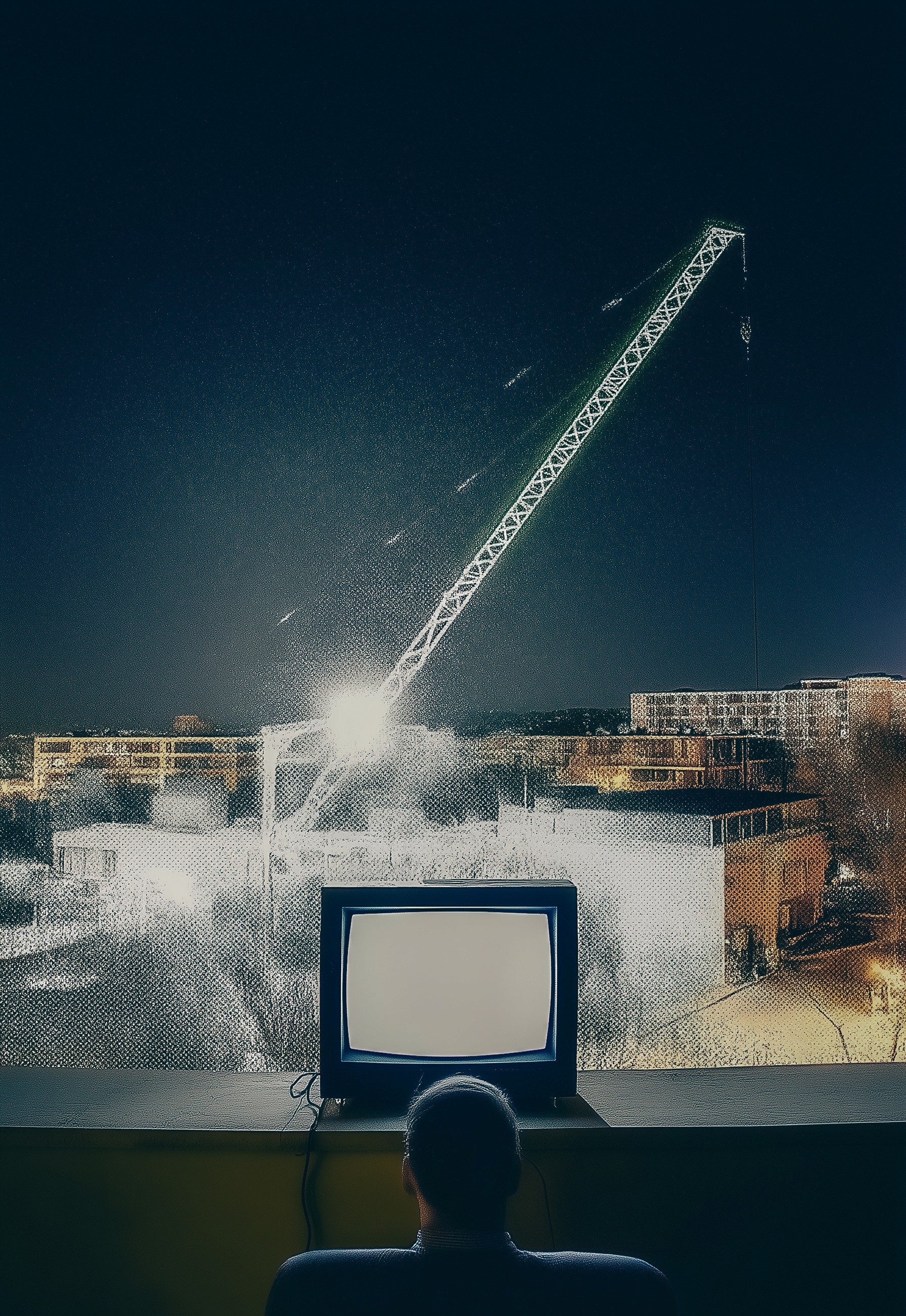
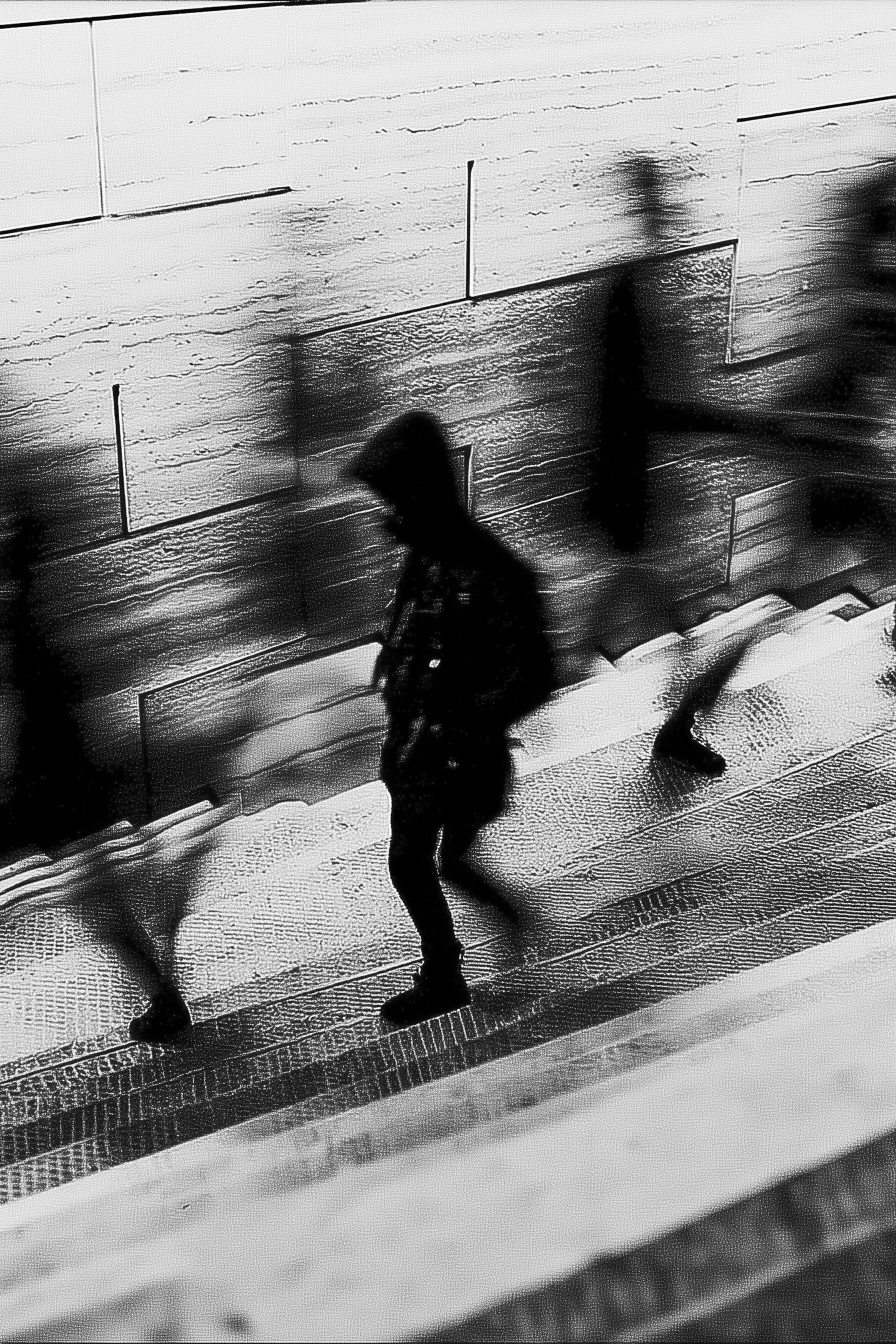
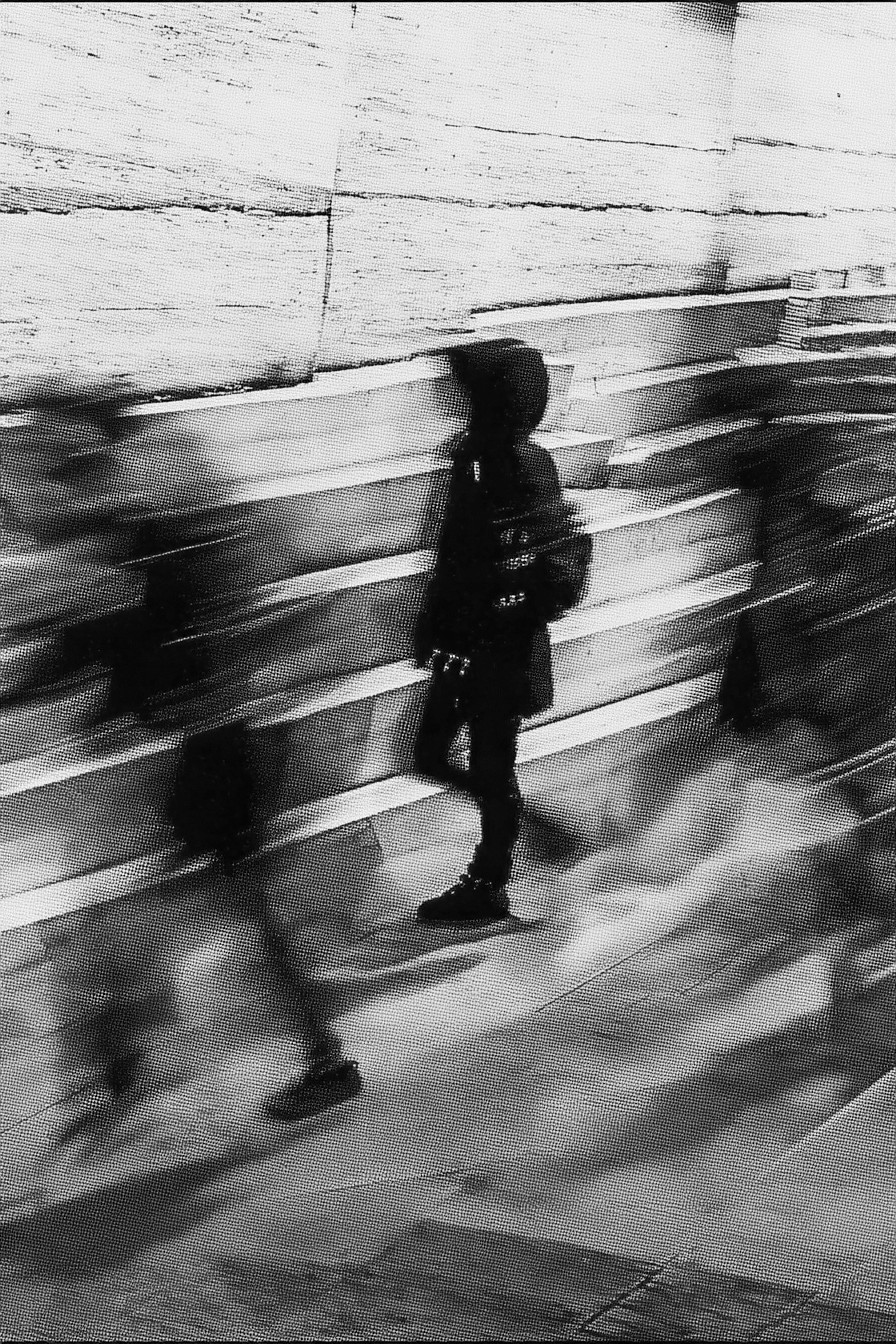
When we dream, we walk through cities that we have never visited. Their streets echo familiar patterns, their buildings resemble fragments of places we once knew — yet they are not the same. These dreamscapes are woven from memory and imagination, built from the shadows of reality and the weight of nostalgia.
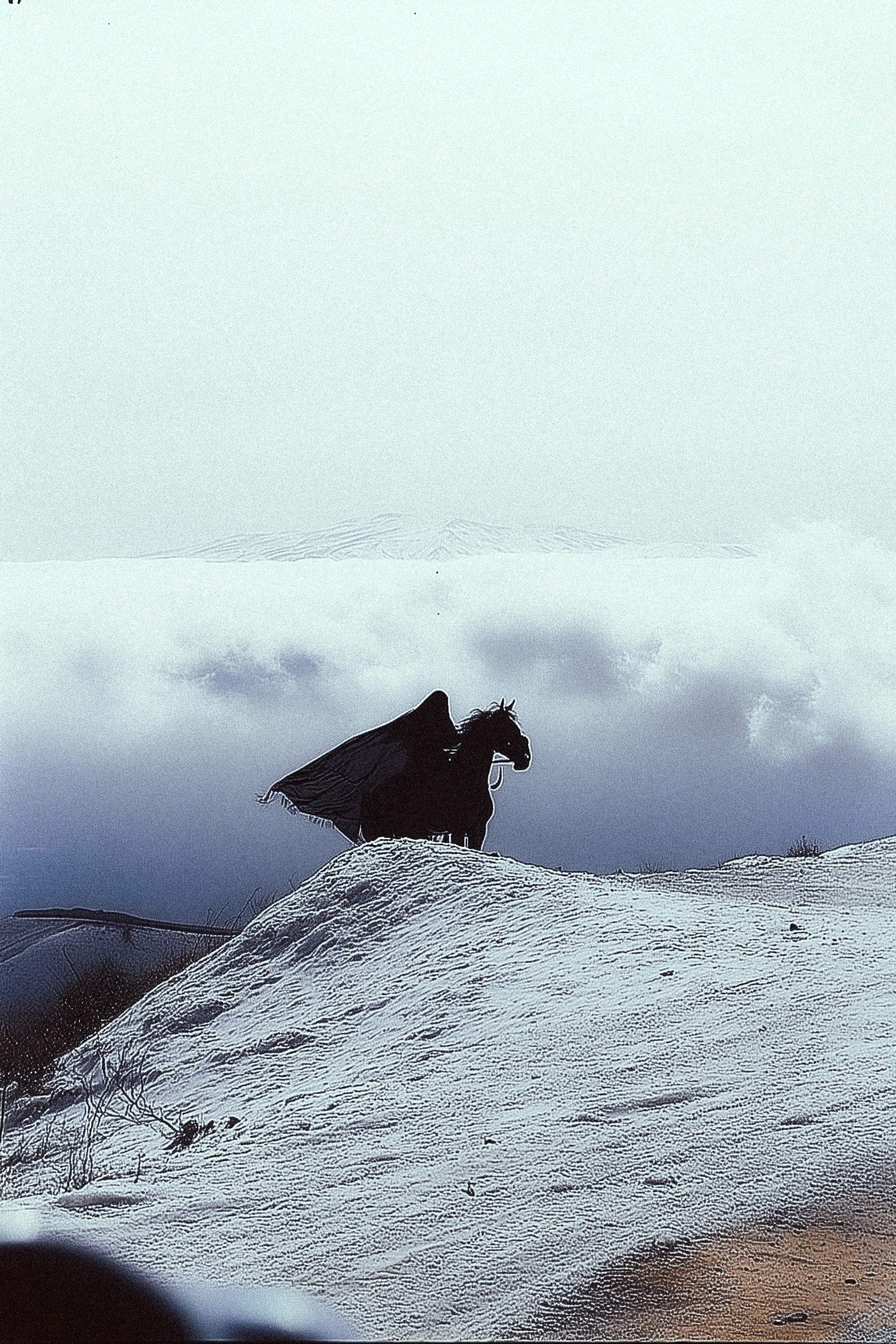
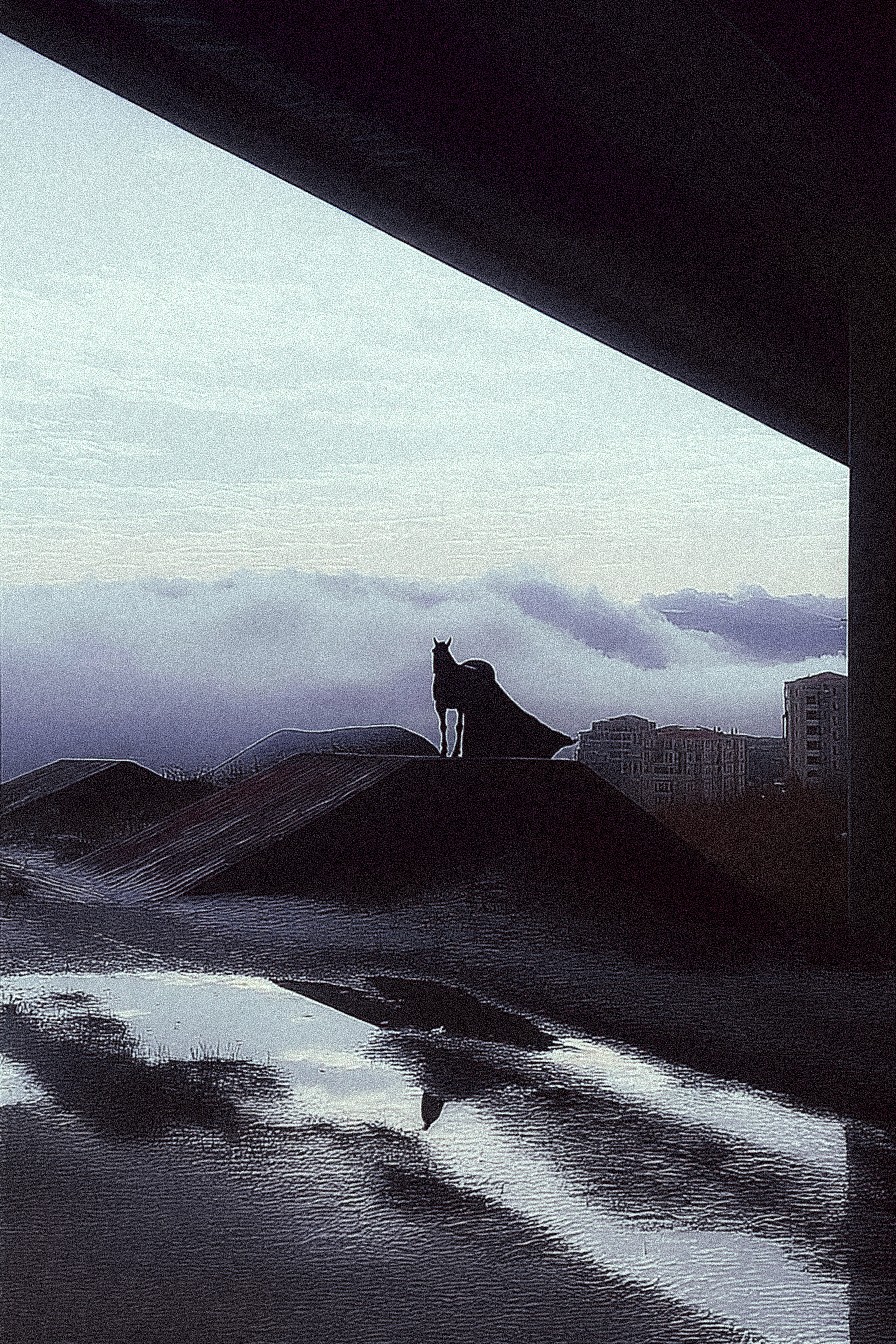
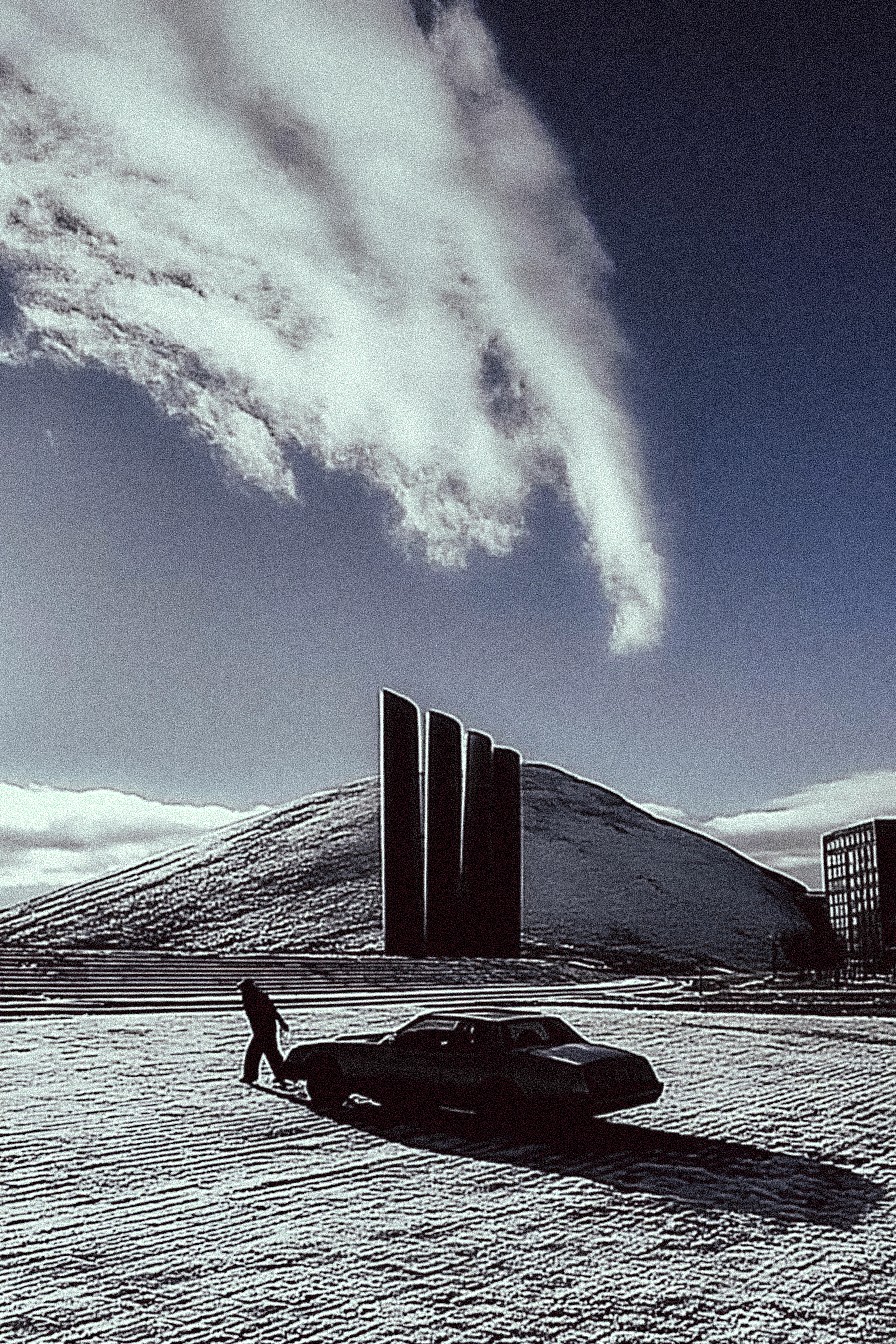
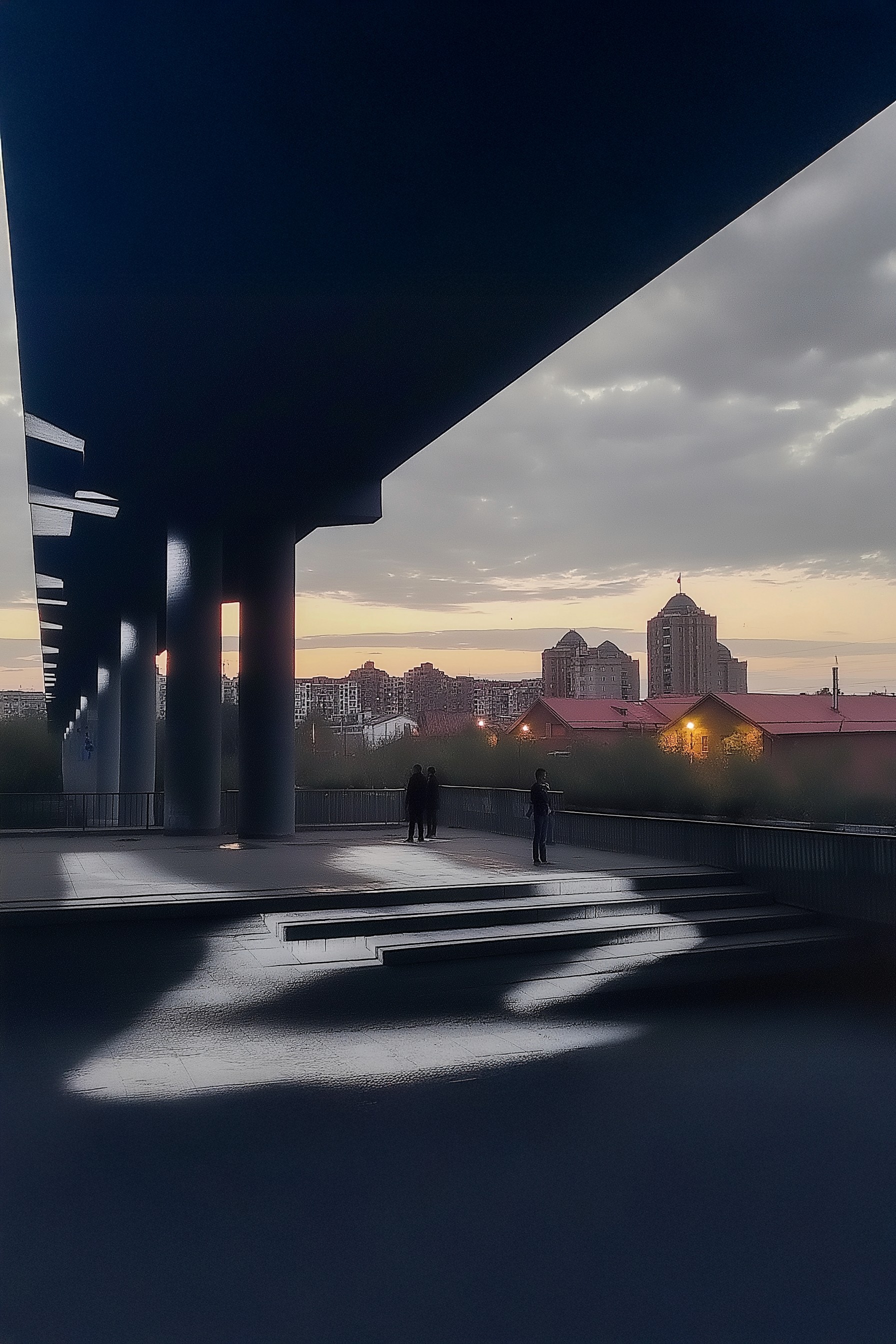
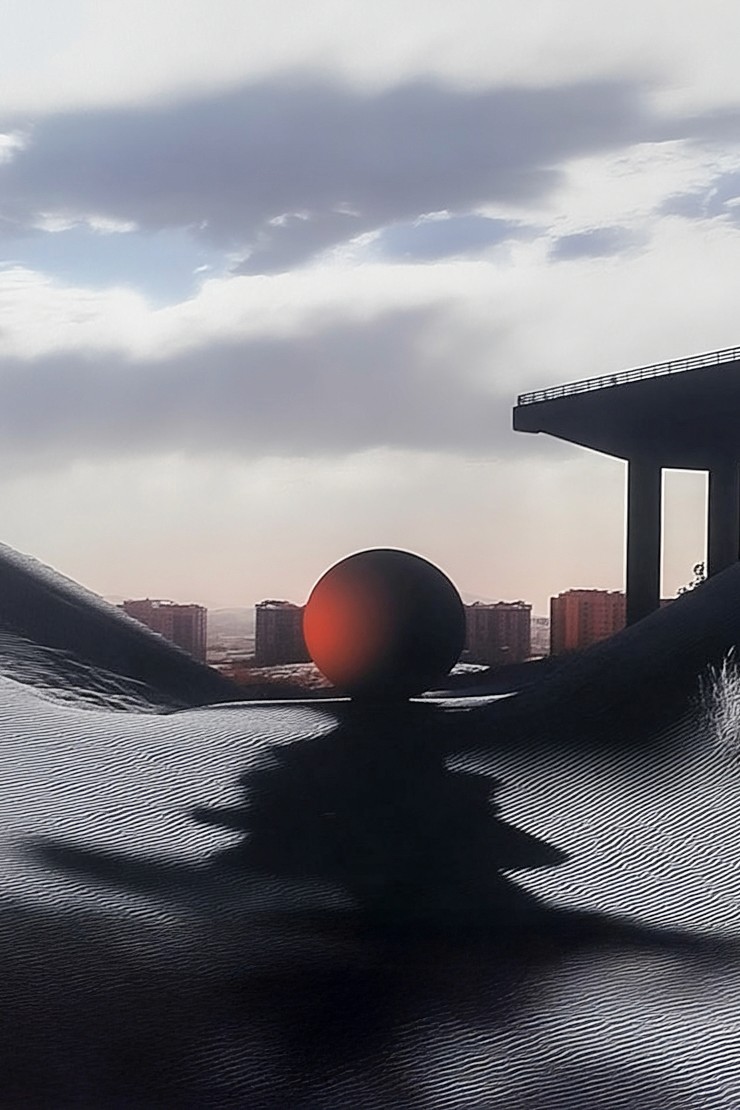
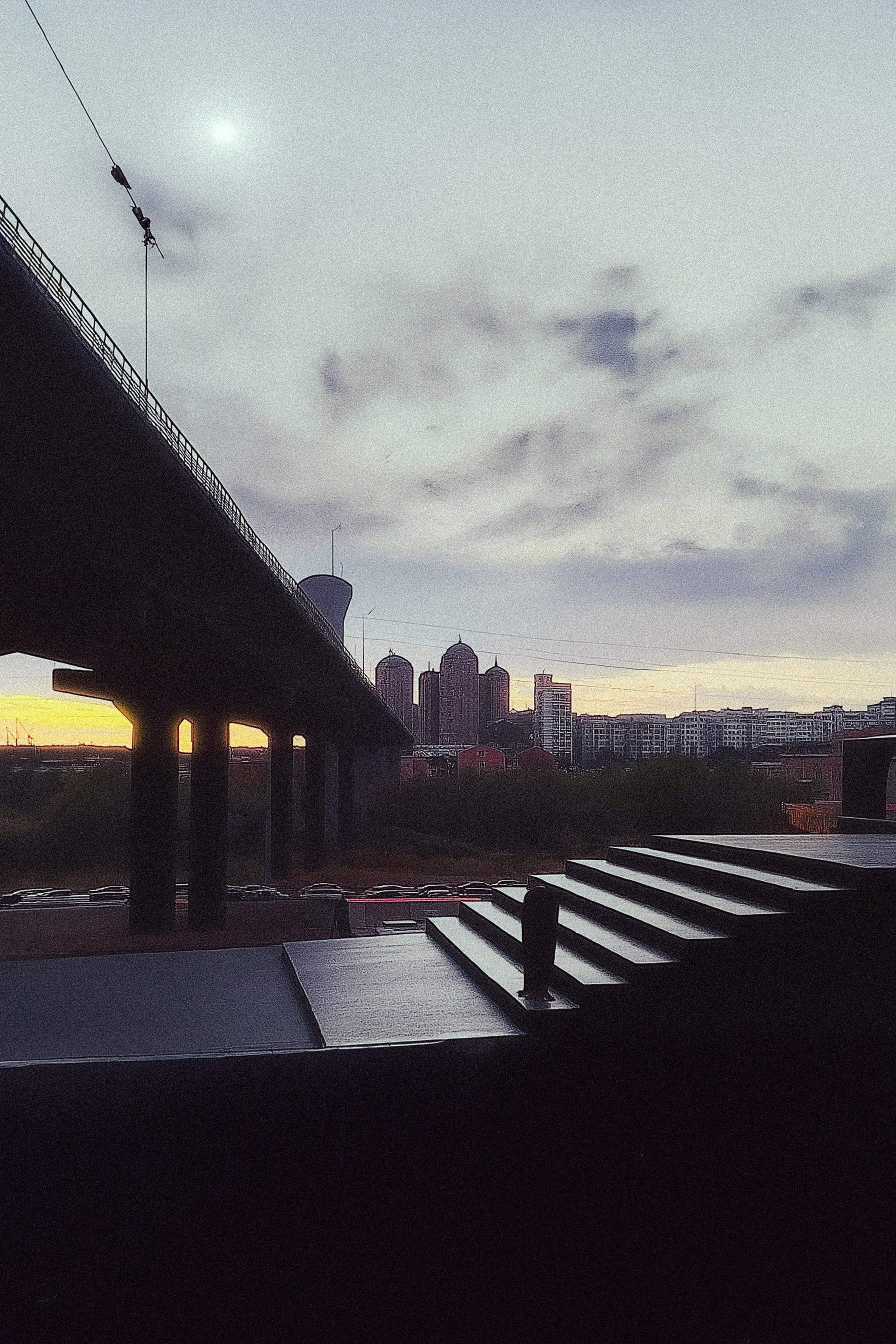
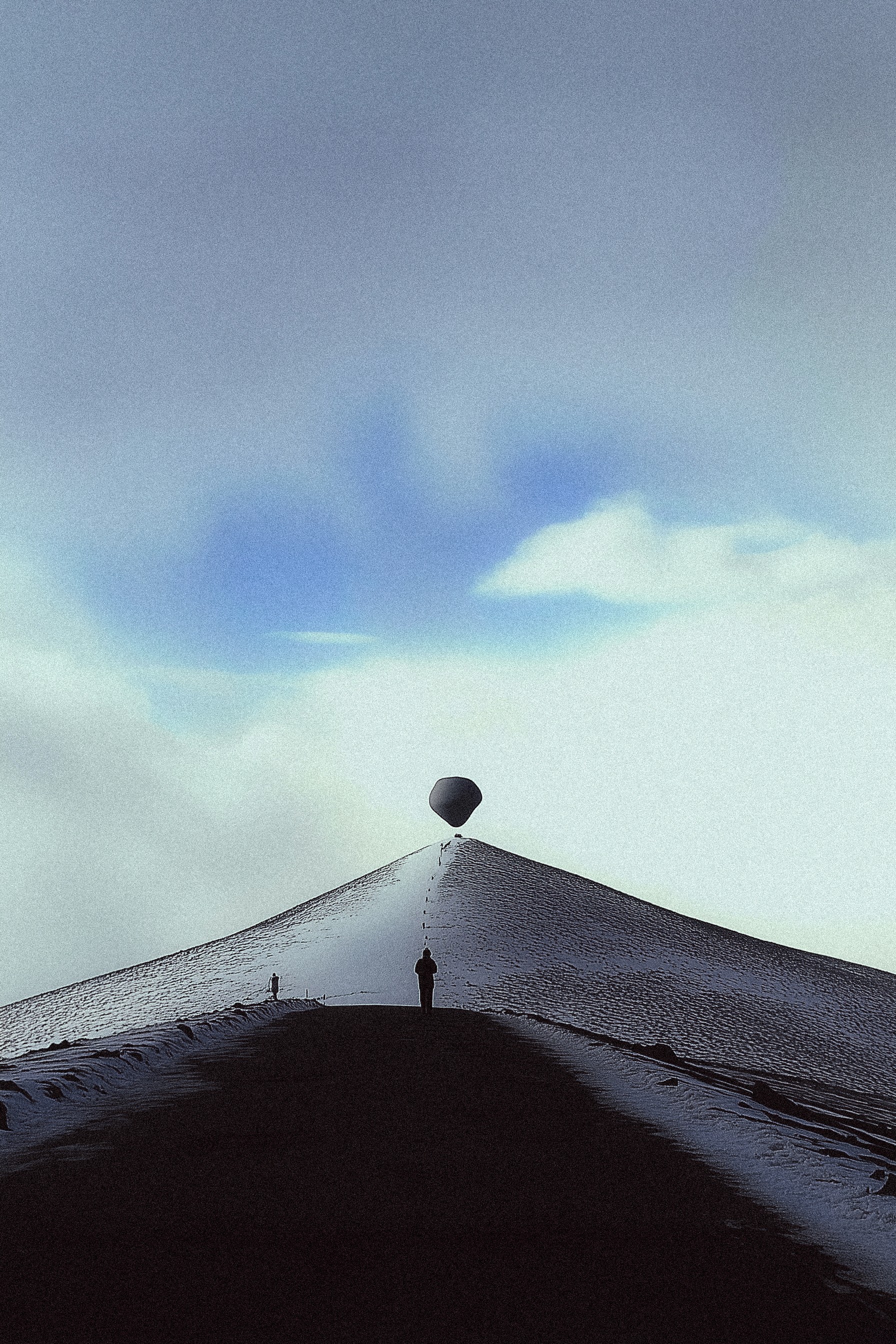
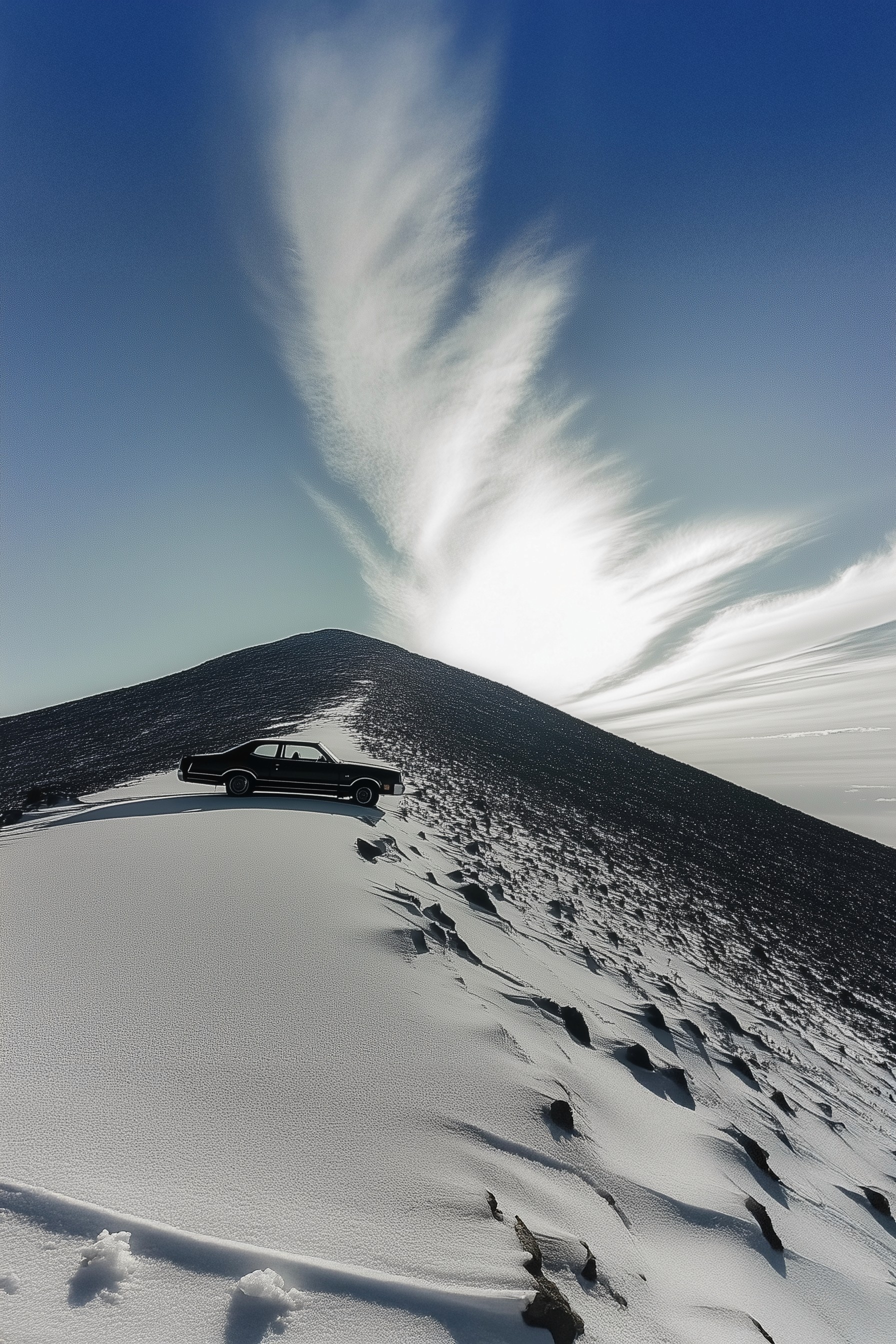
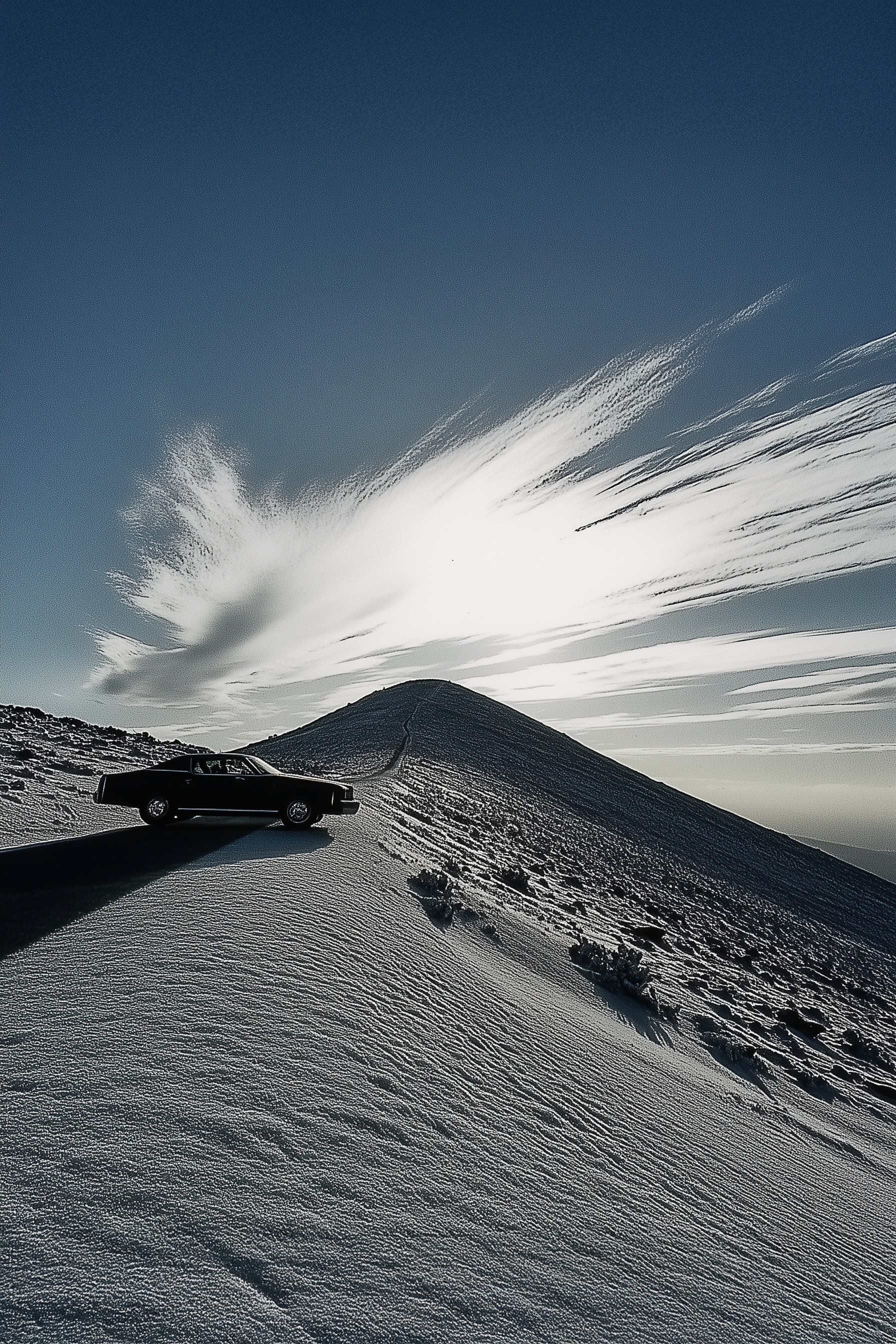
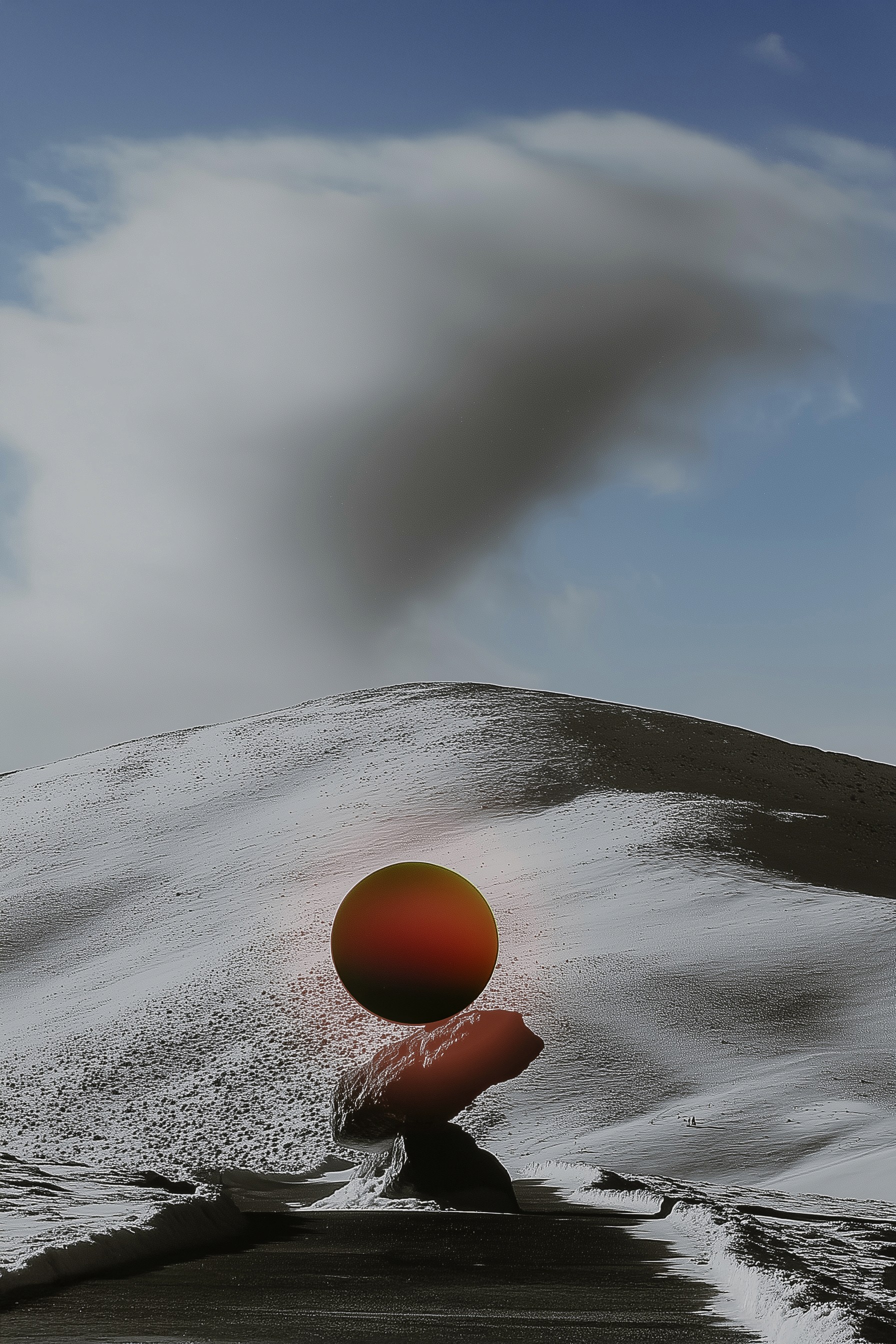
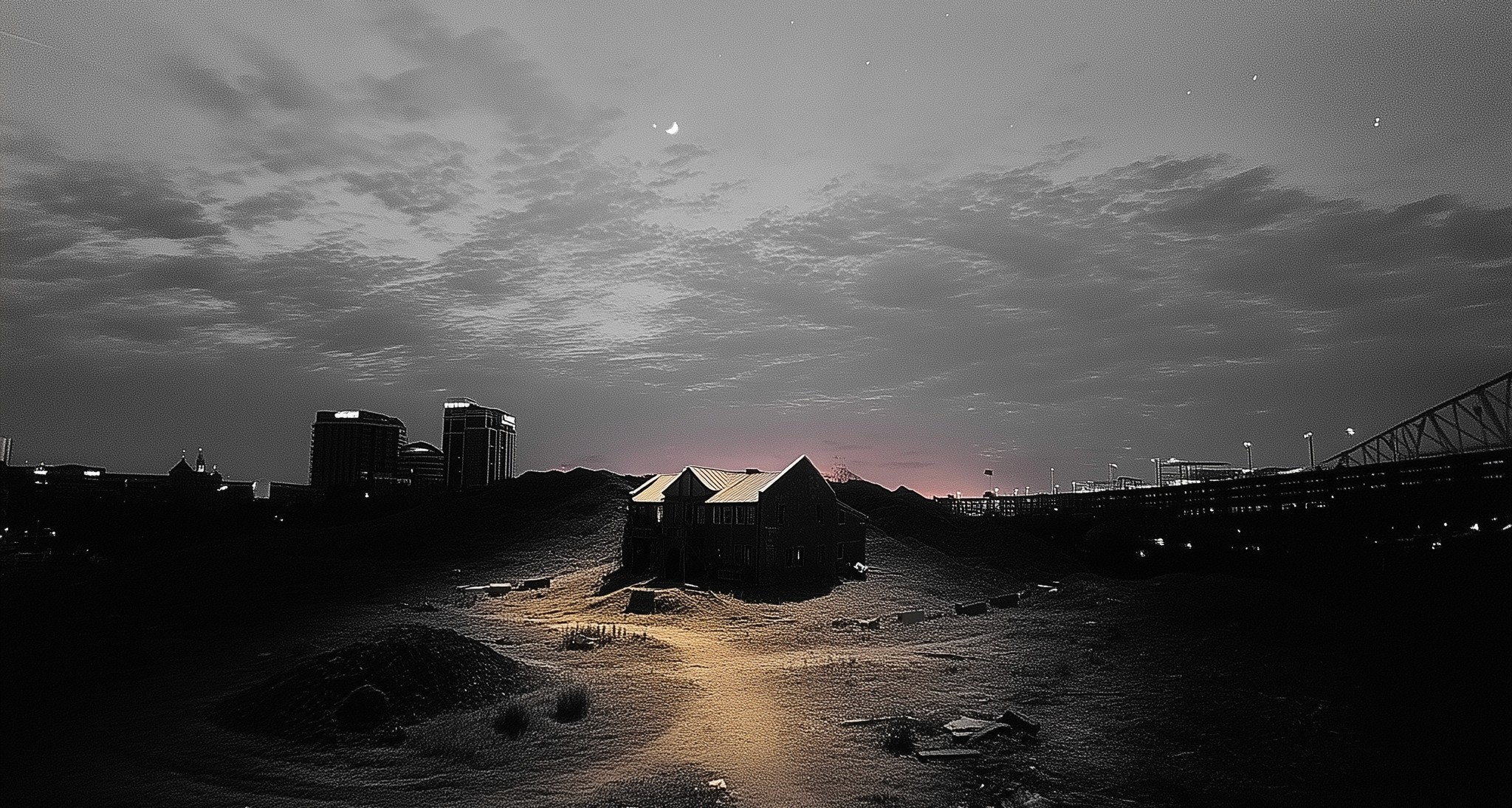
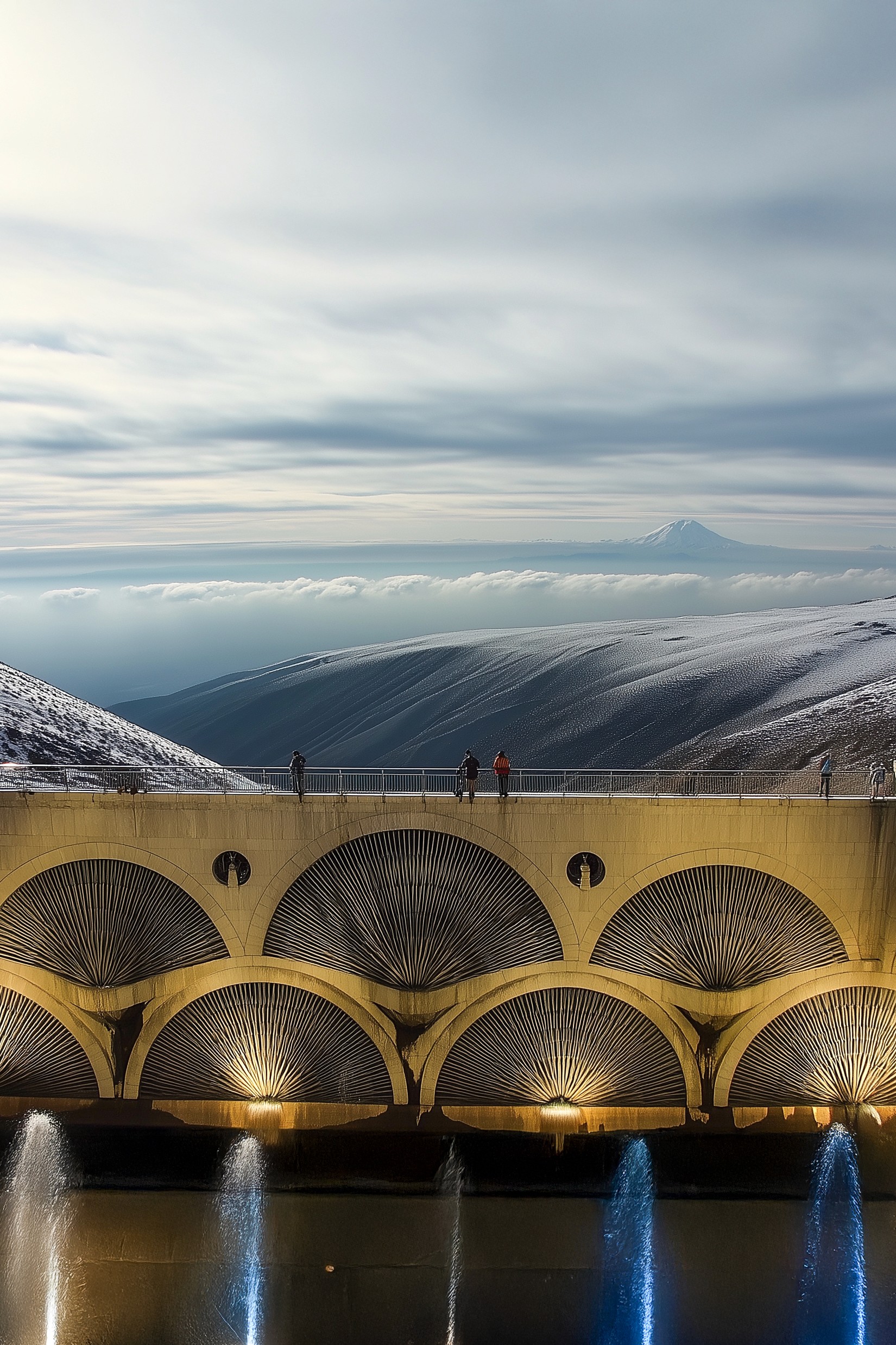
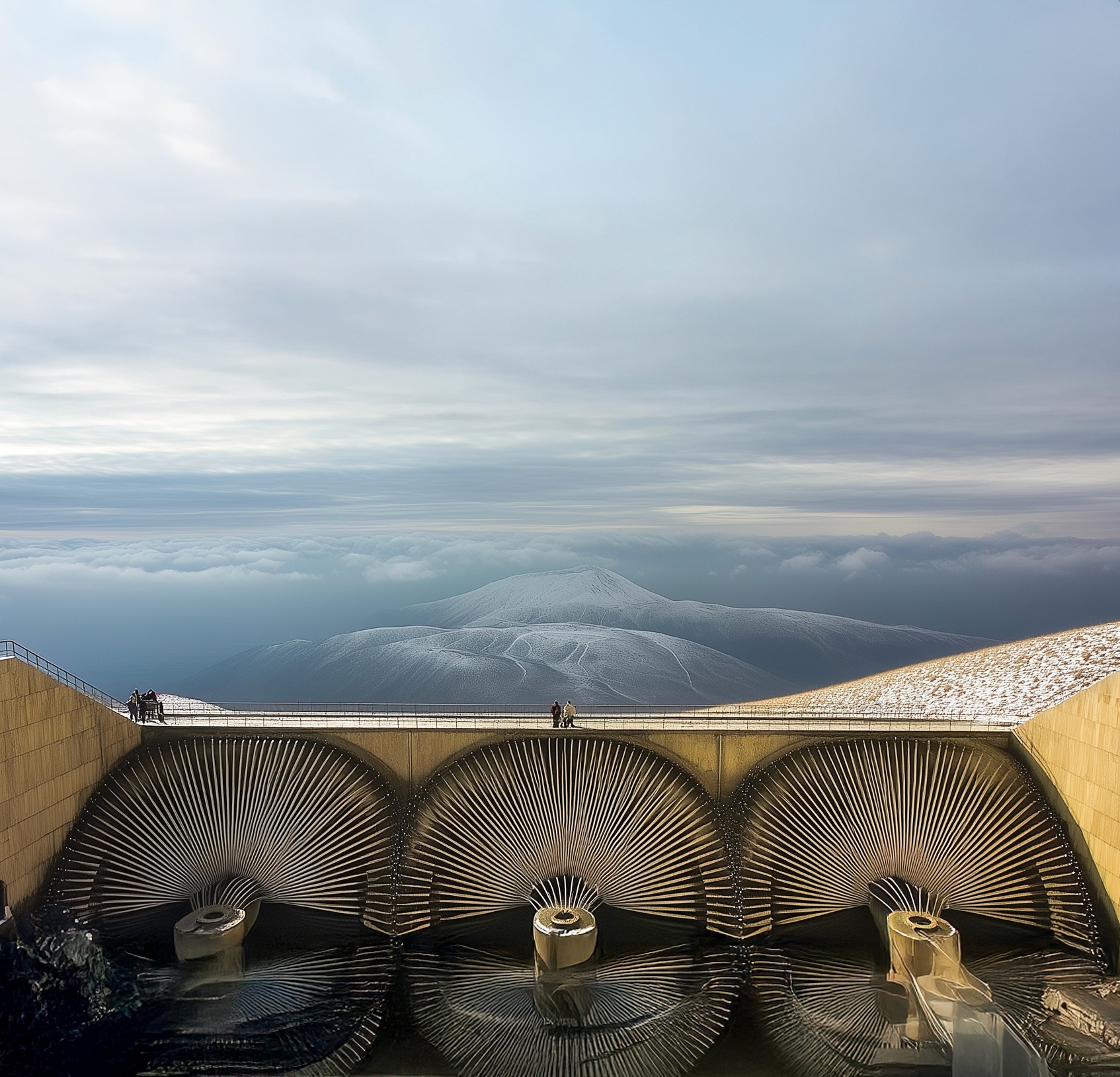
Armenia, and Yerevan in particular, became such a space for me. Through the lens, I did not only capture what stood before me — I revealed what had already lived inside. The architecture, the mountains, the monumental forms of stone and concrete all carried echoes of somewhere else, somewhere I could not quite place, as if my camera had unlocked the geography of déjà vu.
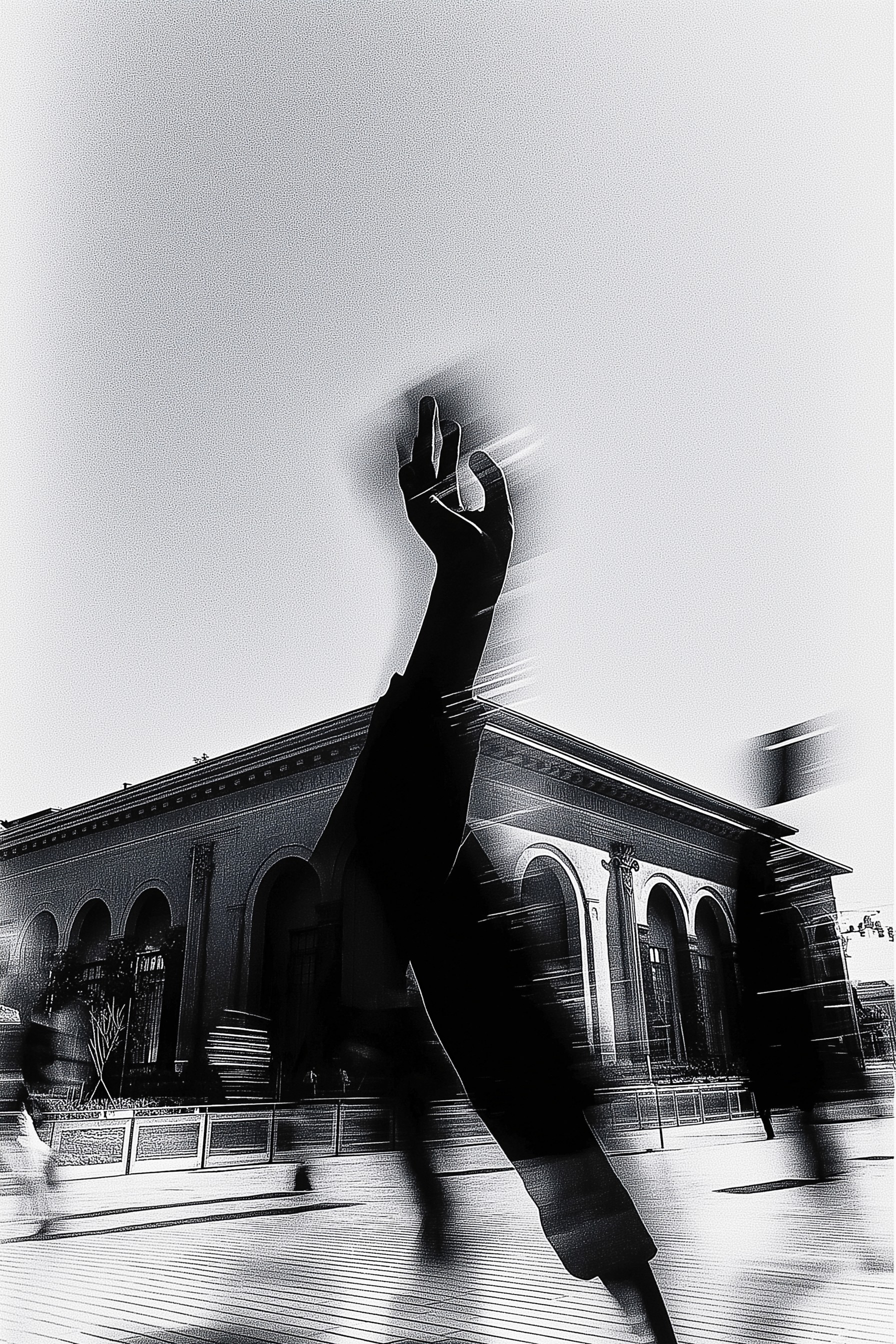
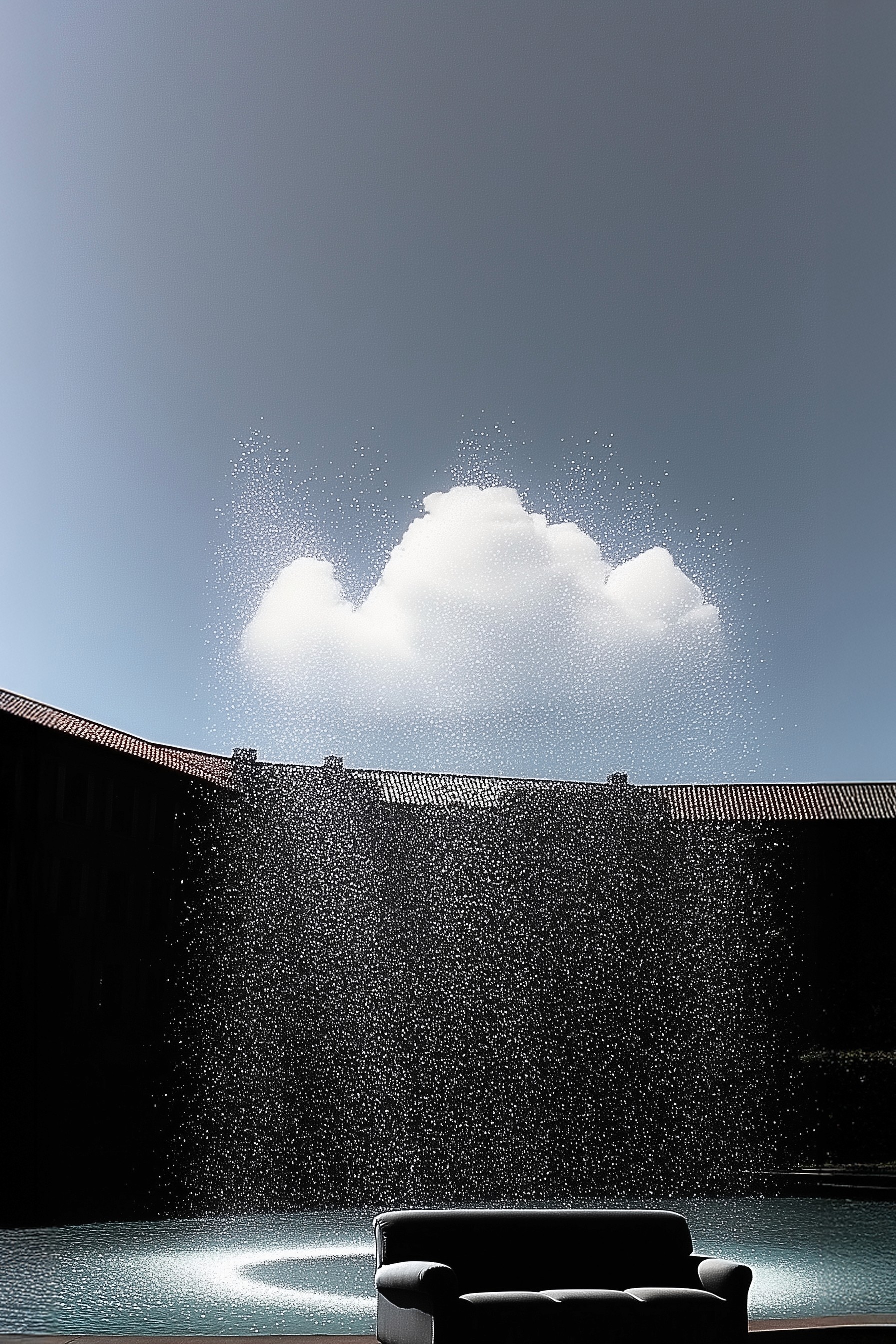
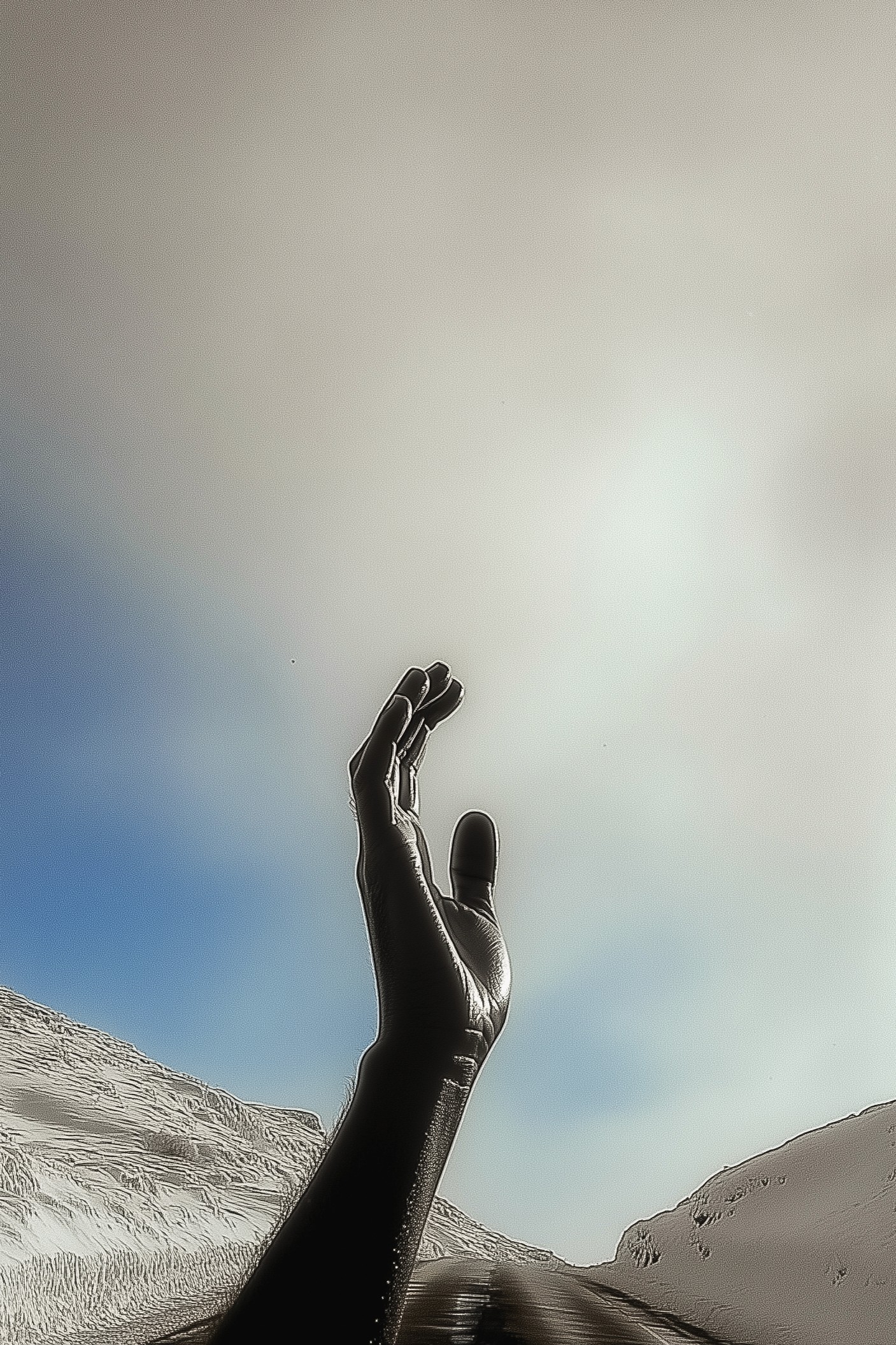
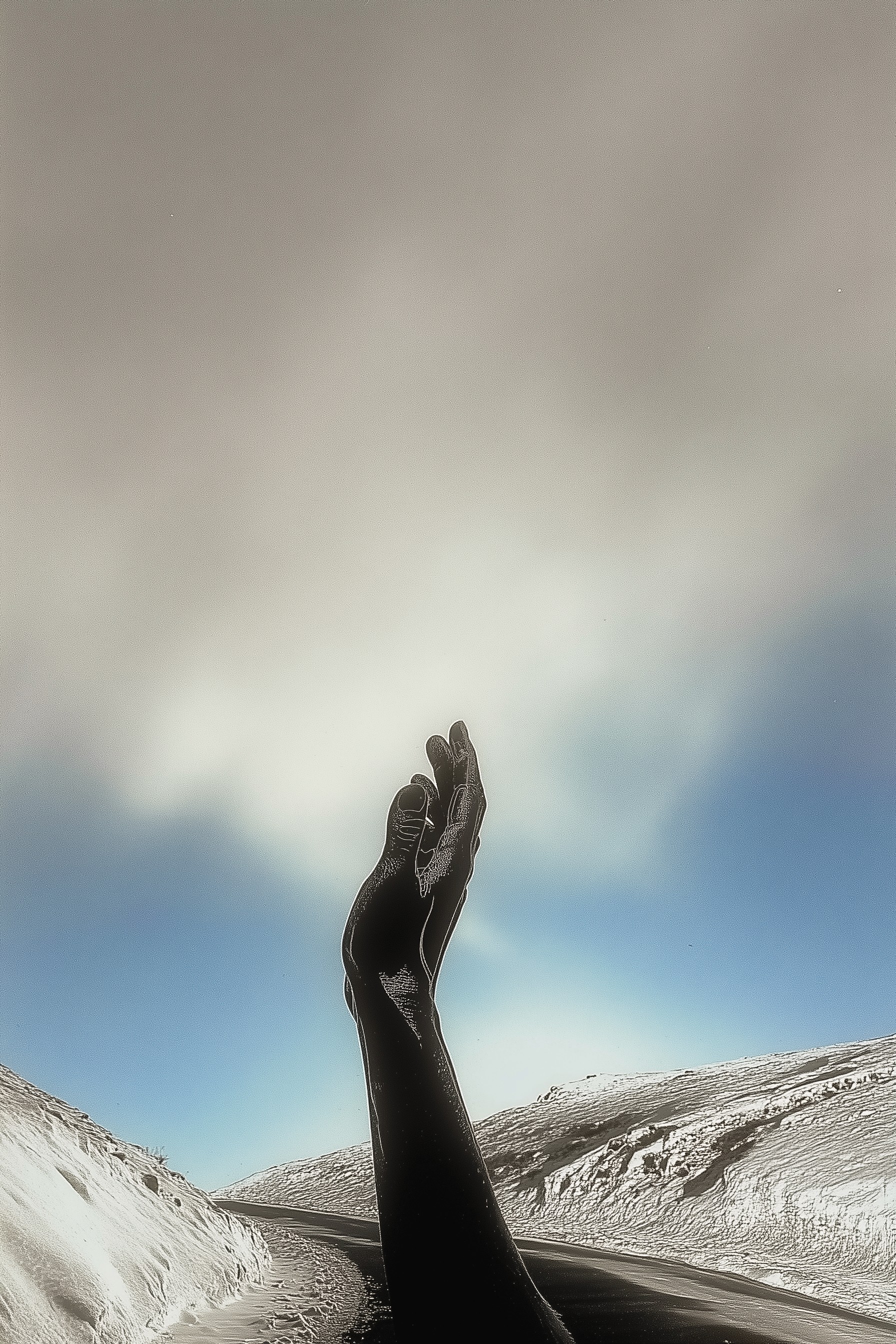
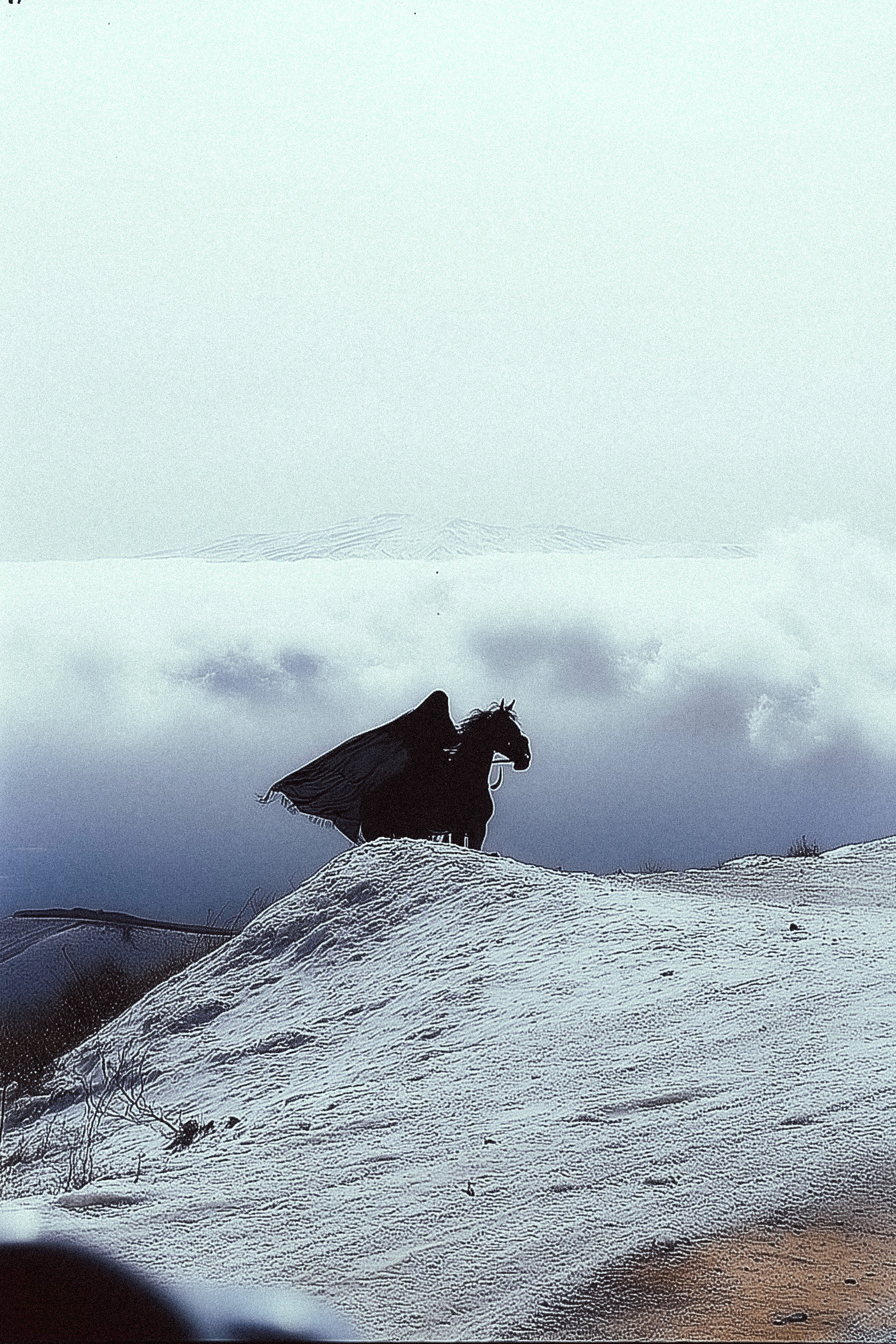
Each photograph is less a document and more a doorway. It opens to a city that simultaneously exists and does not. A city where past and future collapse into the present moment, where memory becomes indistinguishable from dream. Looking at these works, one cannot help but ask: if we create such places in our sleep, are they not real in some sense? If they exist in our minds, might they exist somewhere else — parallel, waiting, watching?
The monumental structures of Yerevan seem to stand as witnesses to this possibility. Bridges that stretch like arteries across the void, fountains carved like organs of memory, facades that glow as if lit from within — these are not simply urban spaces. They are metaphysical markers, symbols of a dialogue between the visible and the invisible.
And perhaps this is the true purpose of photography: not merely to record what is, but to capture what could be. A photograph becomes a fragment of the atlas of our subconscious, charting territories that exist between the real and the imagined. Armenia becomes not just a place on a map, but an archetype of memory itself — a city of questions, a city of echoes, a city of dreams.
These images are not about Armenia as a destination, but Armenia as an essence: the memory of a place that is both here and elsewhere. Standing before these structures, felt the sensation of returning, though I had never been here before. This is the paradox of memory and dream: we recognize what we cannot have known.
The photographs, then, are attempts to hold onto this paradox. They are whispers of spaces where architecture becomes thought, where mountains rise like half-remembered myths, and where light falls not only on stone, but on the fragile border between what we live and what we imagine.
In the end, these works are not answers but invitations — to wander, to question, and perhaps to accept that the cities of our dreams are as real as the cities of our waking lives.
I felt the sensation of returning, though I had never been here before. This is the paradox of memory and dream: we recognize what we cannot have known.
The photographs, then, are attempts to hold onto this paradox. They are whispers of spaces where architecture becomes thought, where mountains rise like half-remembered myths, and where light falls not only on stone, but on the fragile border between what we live and what we imagine.
In the end, these works are not answers but invitations — to wander, to question, and perhaps to accept that the cities of our dreams are as real as the cities of our waking lives.
Photography and reflections by INKOTECH