GOHAR MARTIROSYAN
GOHAR MARTIROSYAN
GOHAR MARTIROSYAN
9 min read
9 min read

[No. 004]
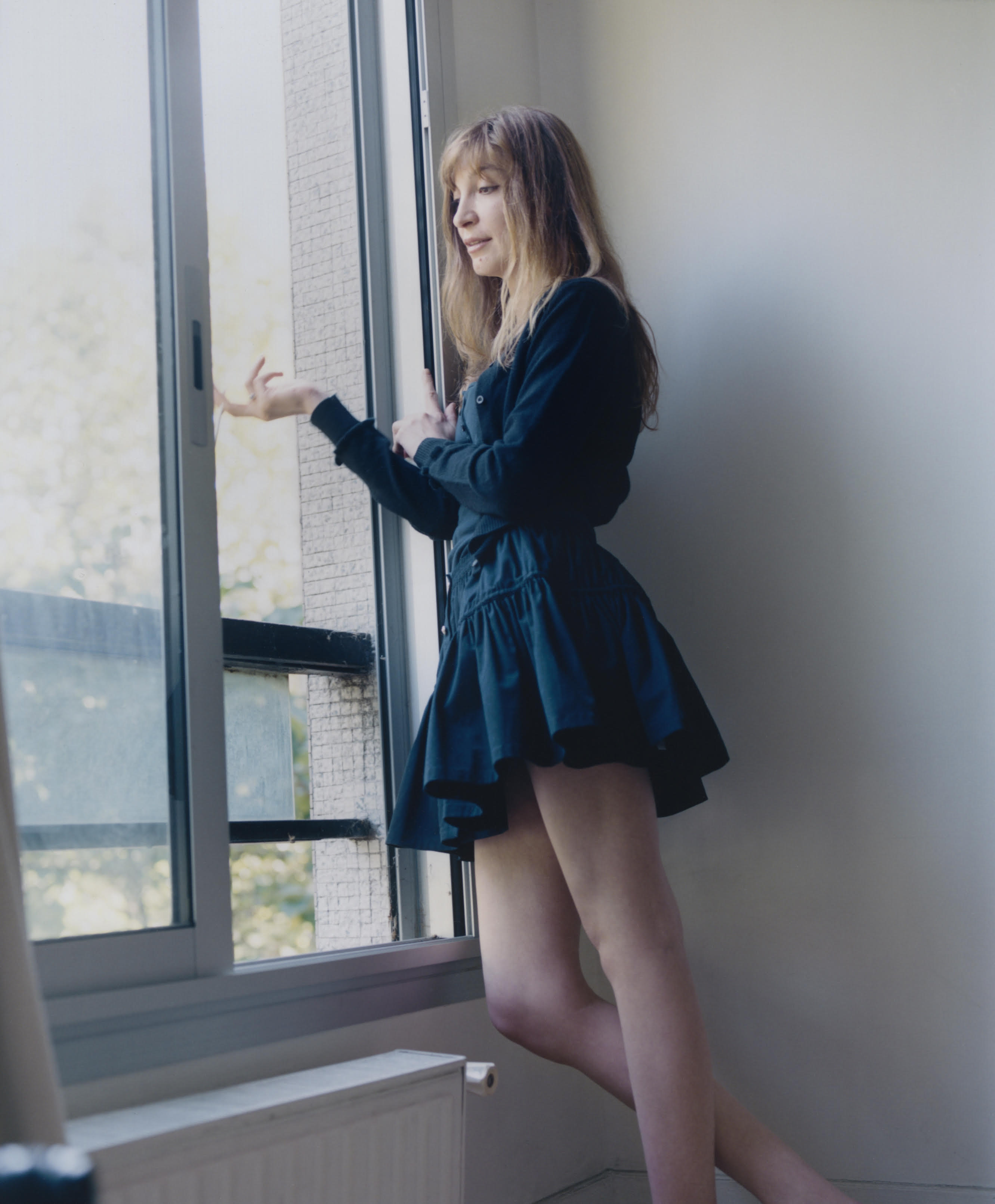
My name is Gohar. I don’t know what to write here. Should I be an artist, or should I be a human being? How many sub-identities do I have?
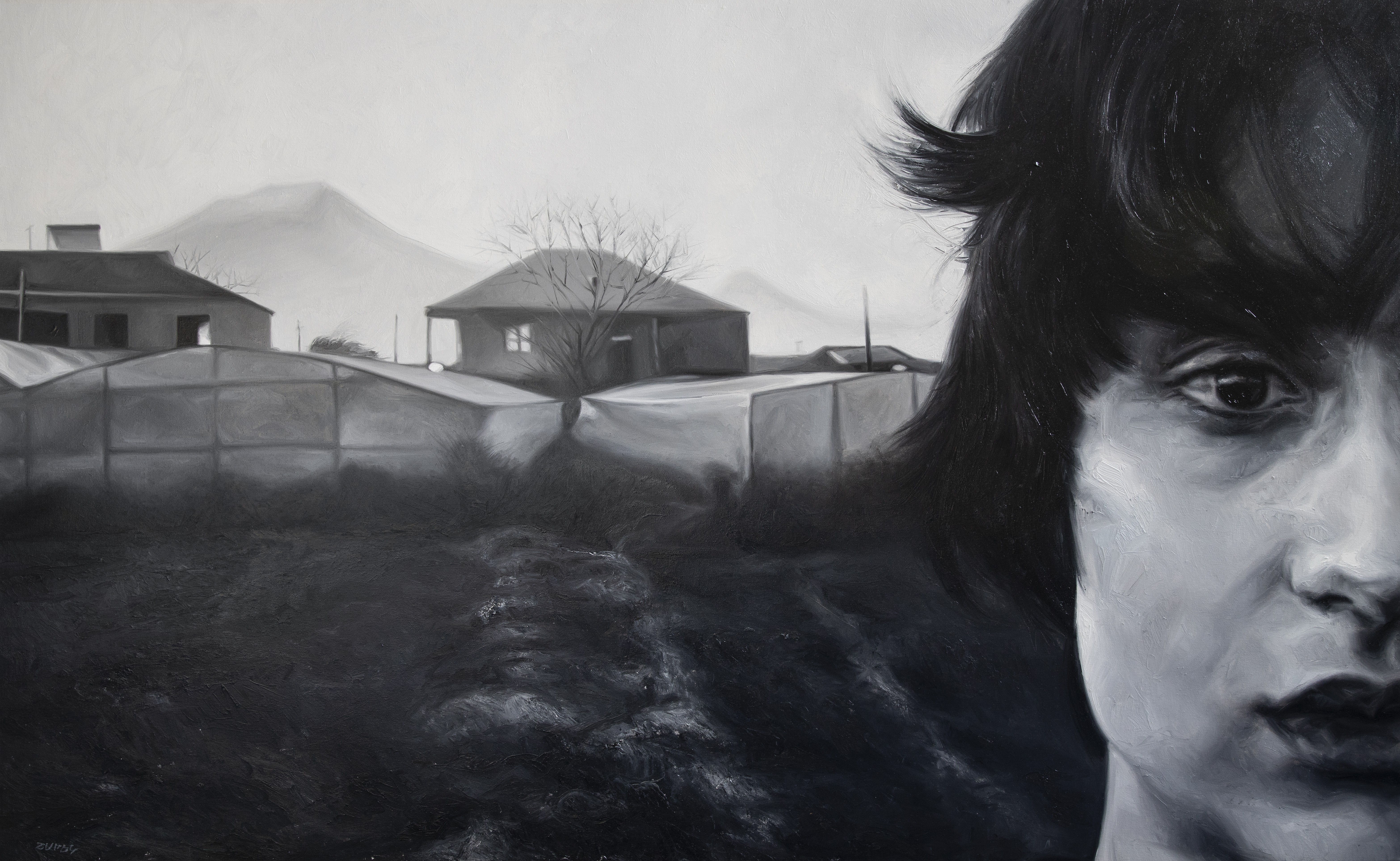
I come from Gyumri, in the north of Armenia. It is quite a dramatic city. Maybe because there are certain seismic amplitudes of energy circulating there, pushing the land beyond materiality. The architecture of the town is made of black volcanic tuff rock, which adds another Gothic layer to it and to its history, as if everything is enveloped by denial and erasure.
I was born after the earthquake. Ruins were the most beautiful thing I ever witnessed as a child. We were always afraid that these Italian restorers would come and renovate our ruins, our history of collapse, our souls, the embodiment of our wounds.
I haven’t witnessed an earthquake. I only know the stories. Stories about people hanging from balconies. Trying to find the face of my aunt among mountains of dead bodies at night, driving in an unknown car toward this gathering of bodies, with a spotlight tracing faces in the dark, finding her and mourning over her face until morning, recognizing in the sunlight that it was not her, then bringing the body back to the same location.
These kinds of ambiguous stories were the normal stories I used to hear there. Stories of women.
As an Armenian woman in Gyumri, it is hard to be. Maybe some women would disagree with me, but it is a complex space.
They desire you, but they cannot achieve you, so they hate you.
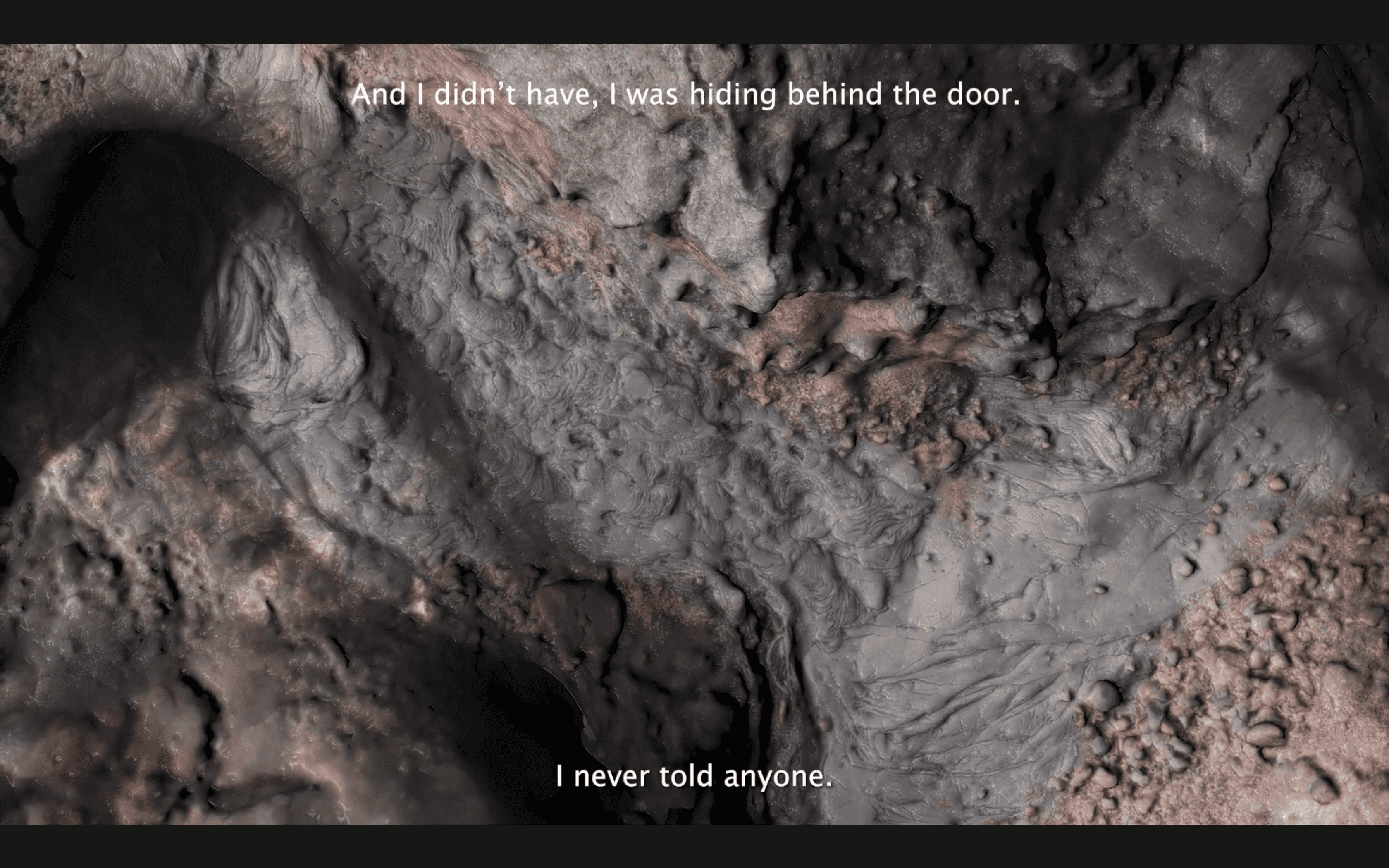
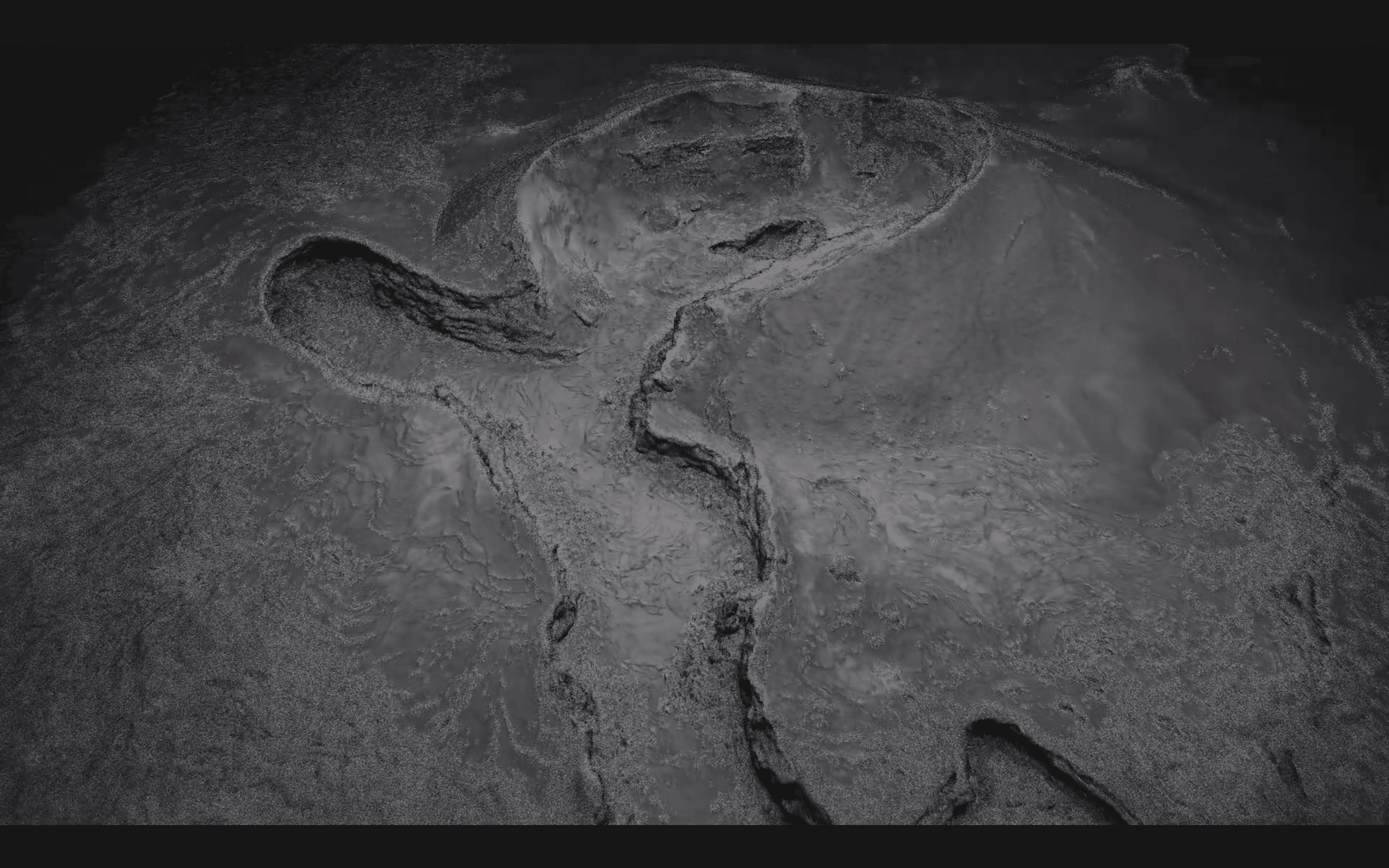
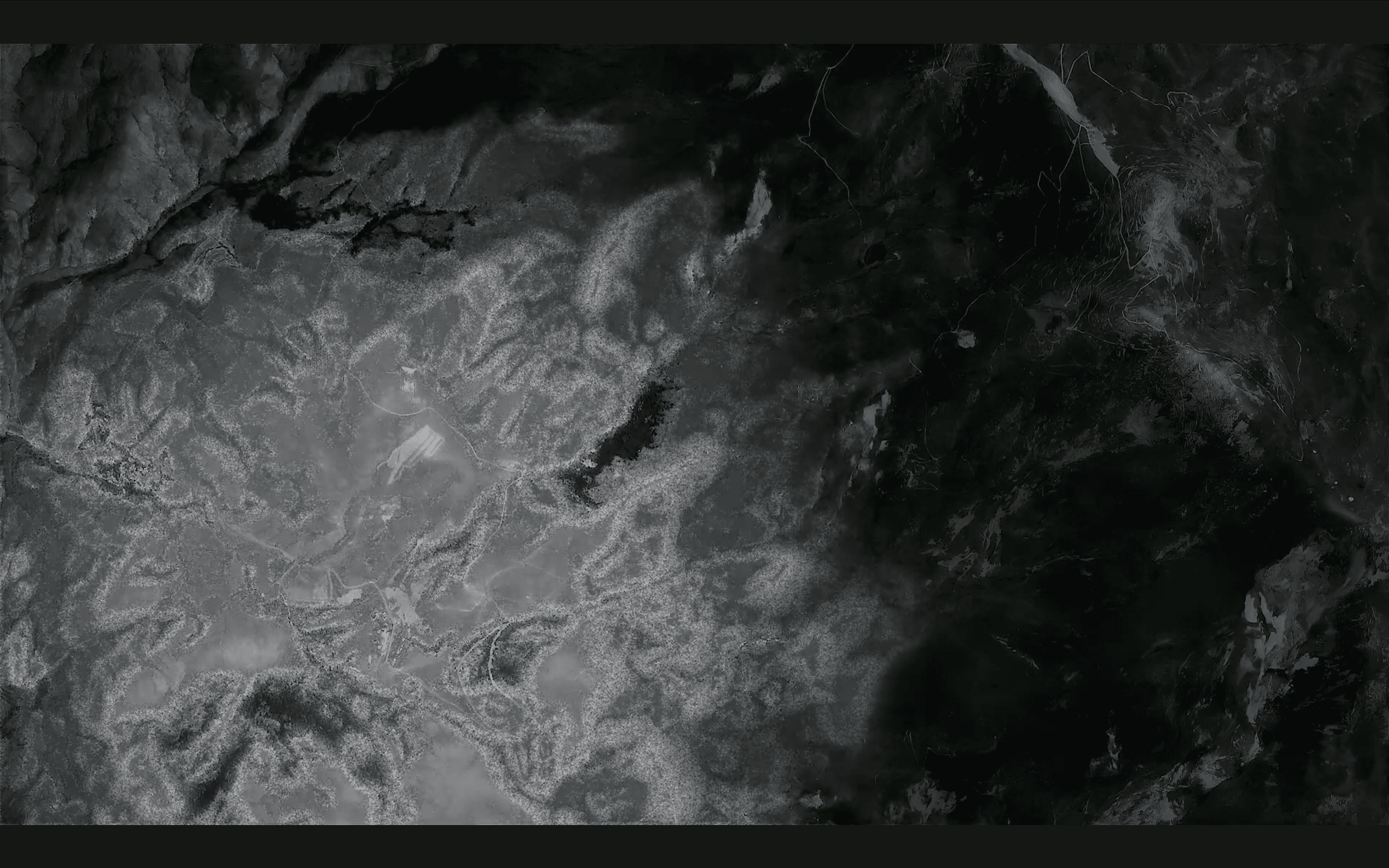
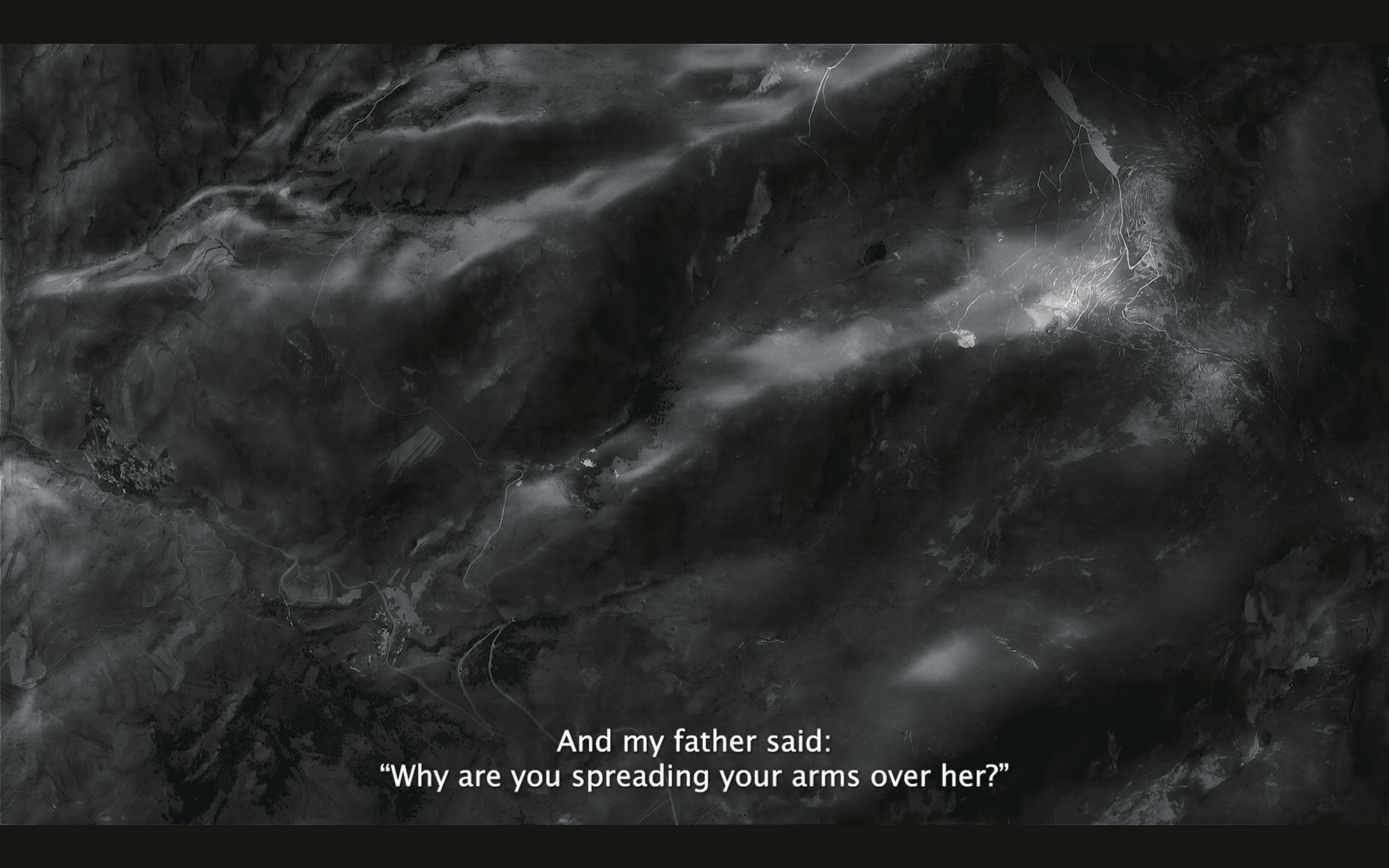
The work I want to talk about is called The Mountain’s Mouth. It is a very direct project. Very simple. It’s a film generated in the TouchDesign program, with 3D photogrammetry scans of my body and some satellite Earth data from the Amulsar gold mine territories.
I was raised with my grandmother in a single kitchen room where we made a fire during winter and closed the other rooms so they could stay warm there. She was always telling me stories from her life.
We have the same name. I mean, I carry her name: Gohar.
She was a strong woman, educated, someone who had seen the life she had passed through. She had a narrow nose, grey eyes, and a library where new books never arrived, so she kept reading the same books over and over again next to the same fireplace in the kitchen.
Some parts of these stories became part of the film. I prefer to name them anonymous, but some of them still carry the lips they came from.
This is also a story about Mount Amulsar.
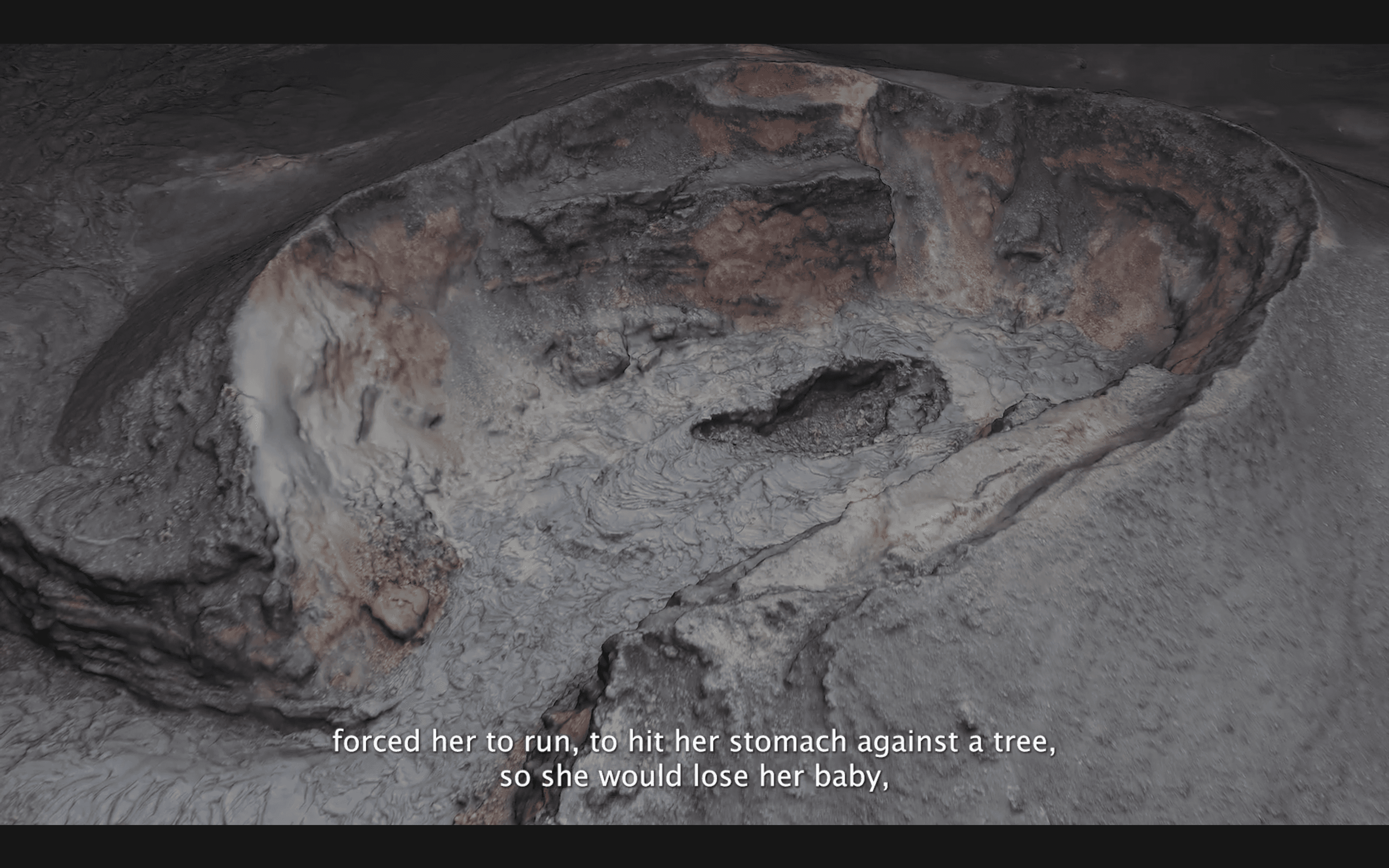
I am not fetishizing it, and I am not an ecoactivist. I was not there. But I am interested in how the land is transforming us, and how we are transforming the land, how we try to extract something from it, how we are trying to consume that land. Simple.
Amulsar is a gold mine in southern Armenia, situated near fragile water systems and contested borderlands. Exploration began in 2007 under Lydian International, and large-scale excavation started in 2016, transforming the mountain into one of the most contested extractive sites in the South Caucasus.
Amulsar arrives already haunted.
Not simply by ecological catastrophe, nor by the political economy of extraction, but by something older that exceeds the event itself: a persistence of traces, of absences that continue to inhabit the mountain long after the stability of presence has collapsed. The territory no longer appears as a landscape in the classical sense. It becomes spectral matter, carrying within itself what Jacques Derrida would call the trace: that which remains precisely through disappearance.
The film reconstructs Amulsar, yet reconstruction here does not operate as recovery. One cannot restore the mountain to a pure state preceding destruction. Every image already arrives contaminated by loss, mediation, by technological inscription.
The scanned body enters the geological body. Skin behaves like a mineral surface. Excavated terrain resembles opened flesh.
The distinction between anatomy and landscape begins to erode until both become unstable archives marked by penetration, extraction, and exposure.
What emerges, indeed, is not documentation, but hauntology.
Gohar Martirosyan, Paris, 16 May, 2026
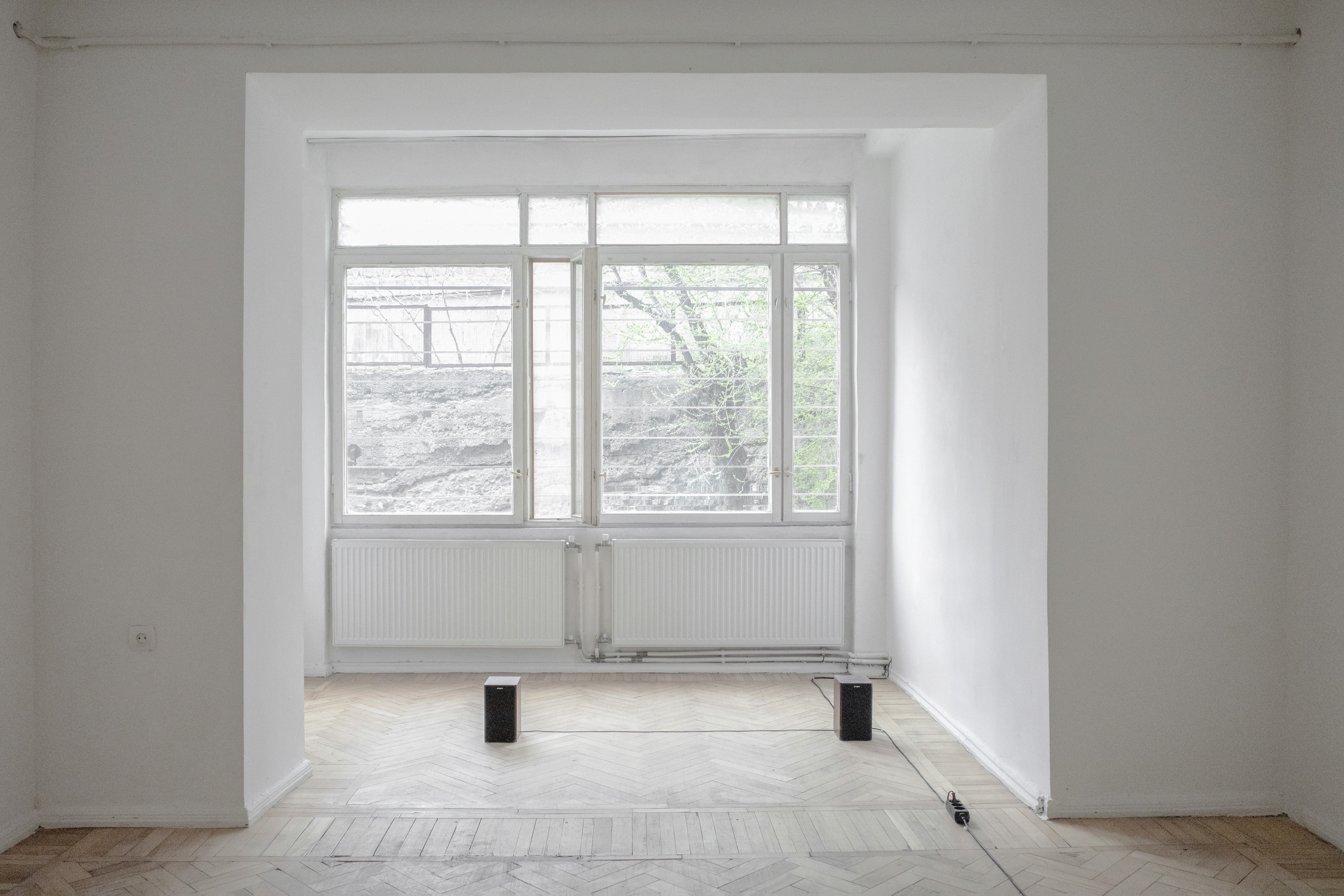
The Mountain’s Mouth, 9:22min. 4K, CGI, 2026
Produced by Art, Advocacy, and the Istanbul Convention
Visual Development Artist & VFX Supervisor, Alinna Tikhonova
Music composition & sound design, Skander Ben Yahia
Project curated by Eva Khachatryan
Photographer: Delphine Chanet