GROUNDED, YET ASCENDING
GROUNDED, YET ASCENDING
GROUNDED, YET ASCENDING
31 min read
31 min read

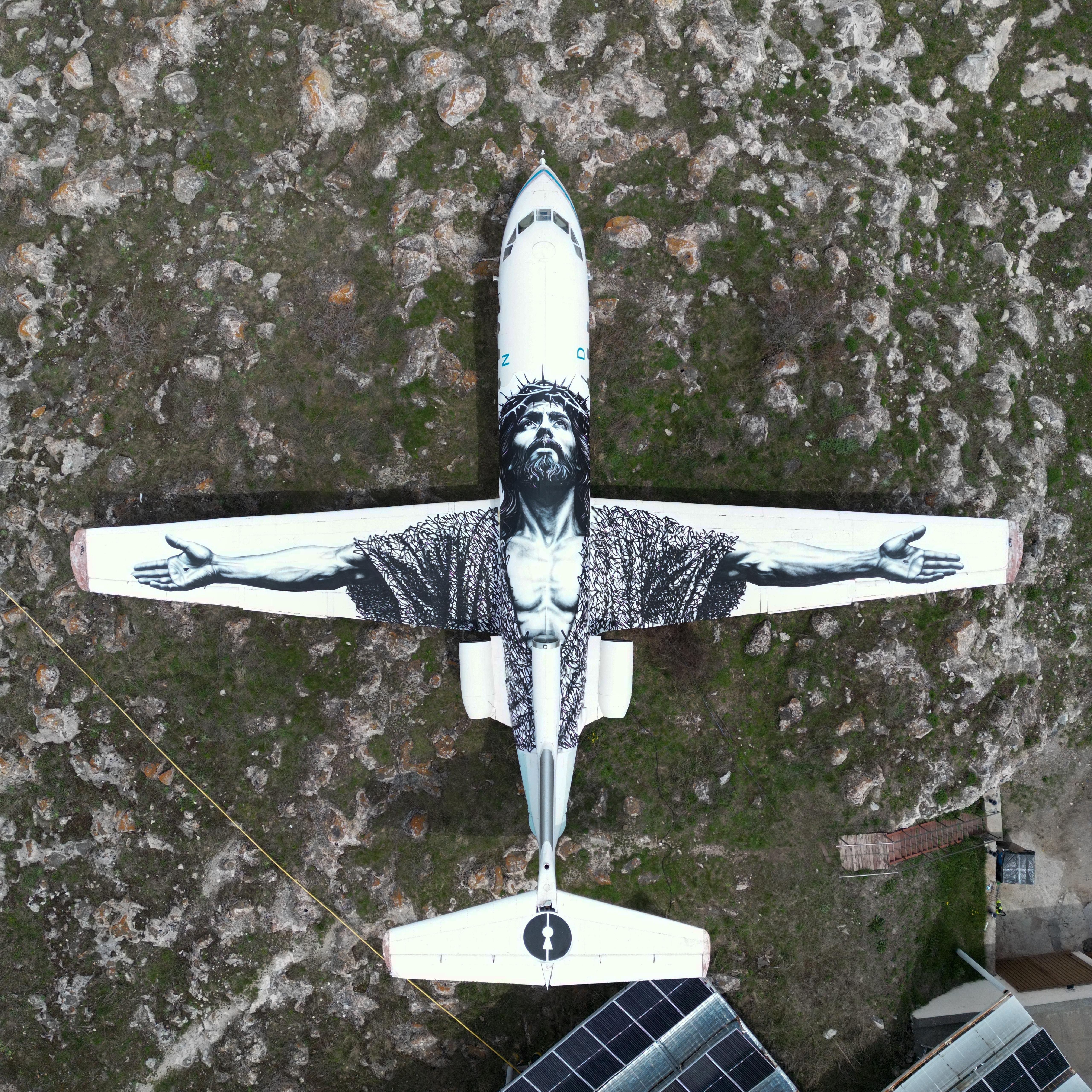
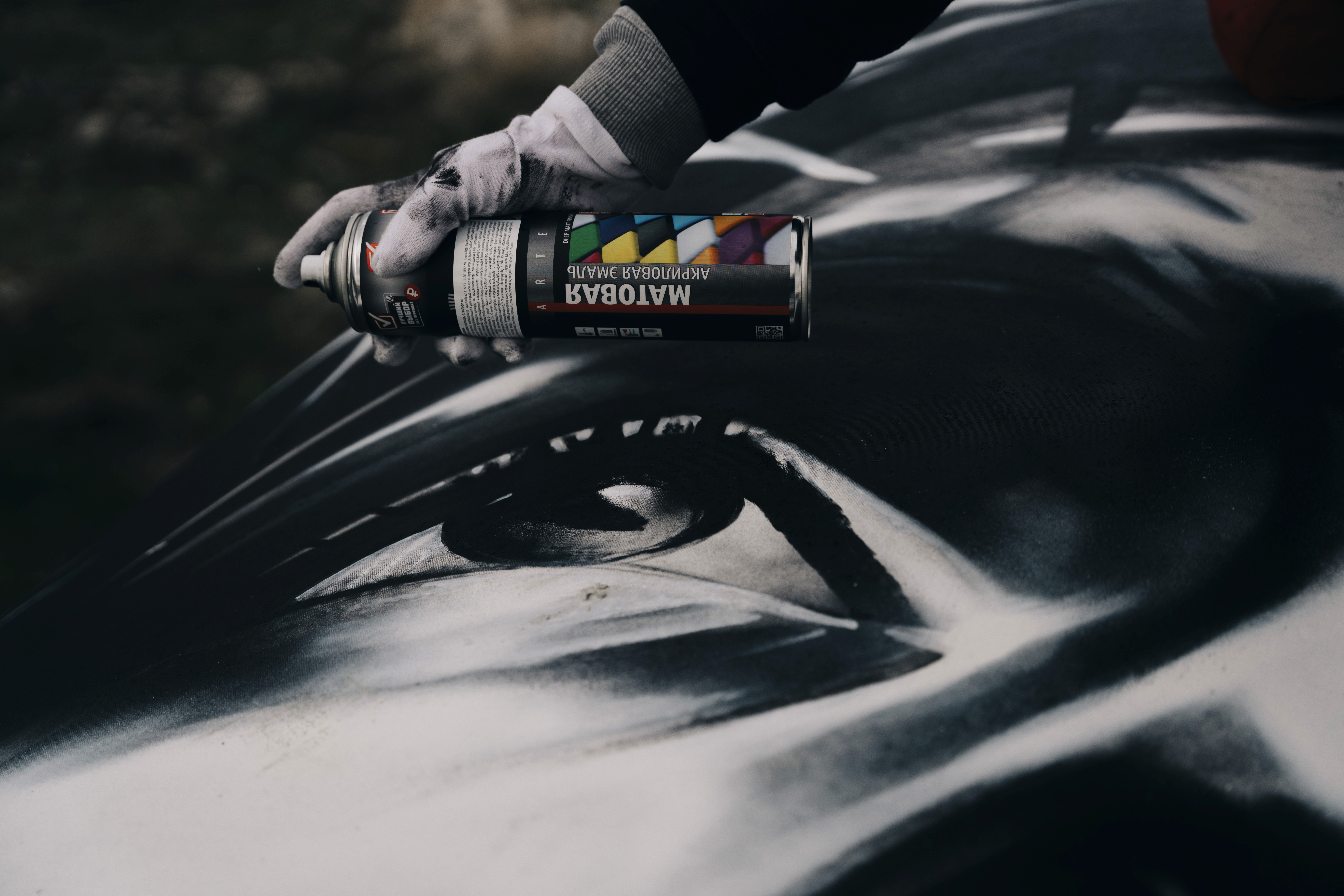
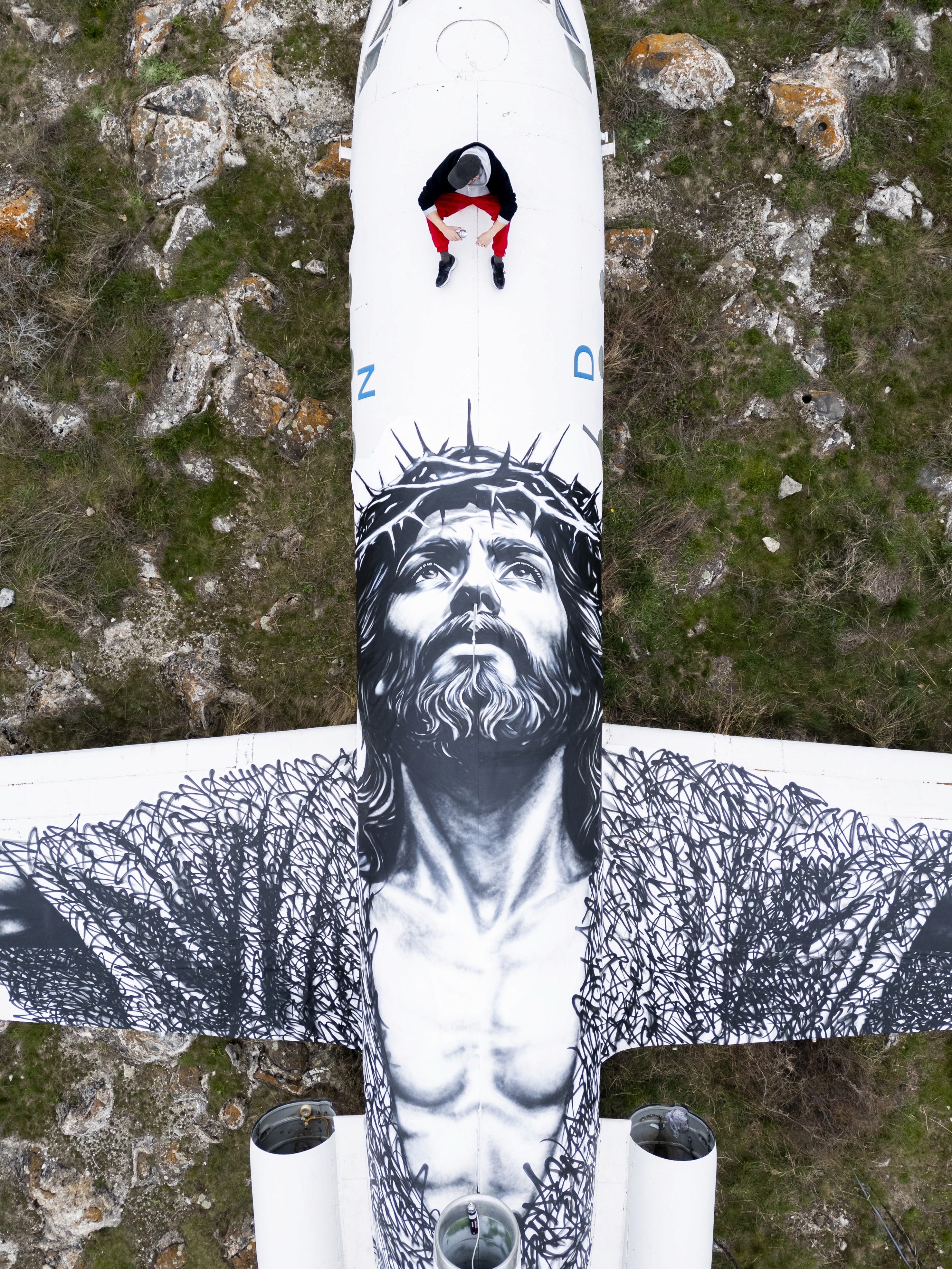
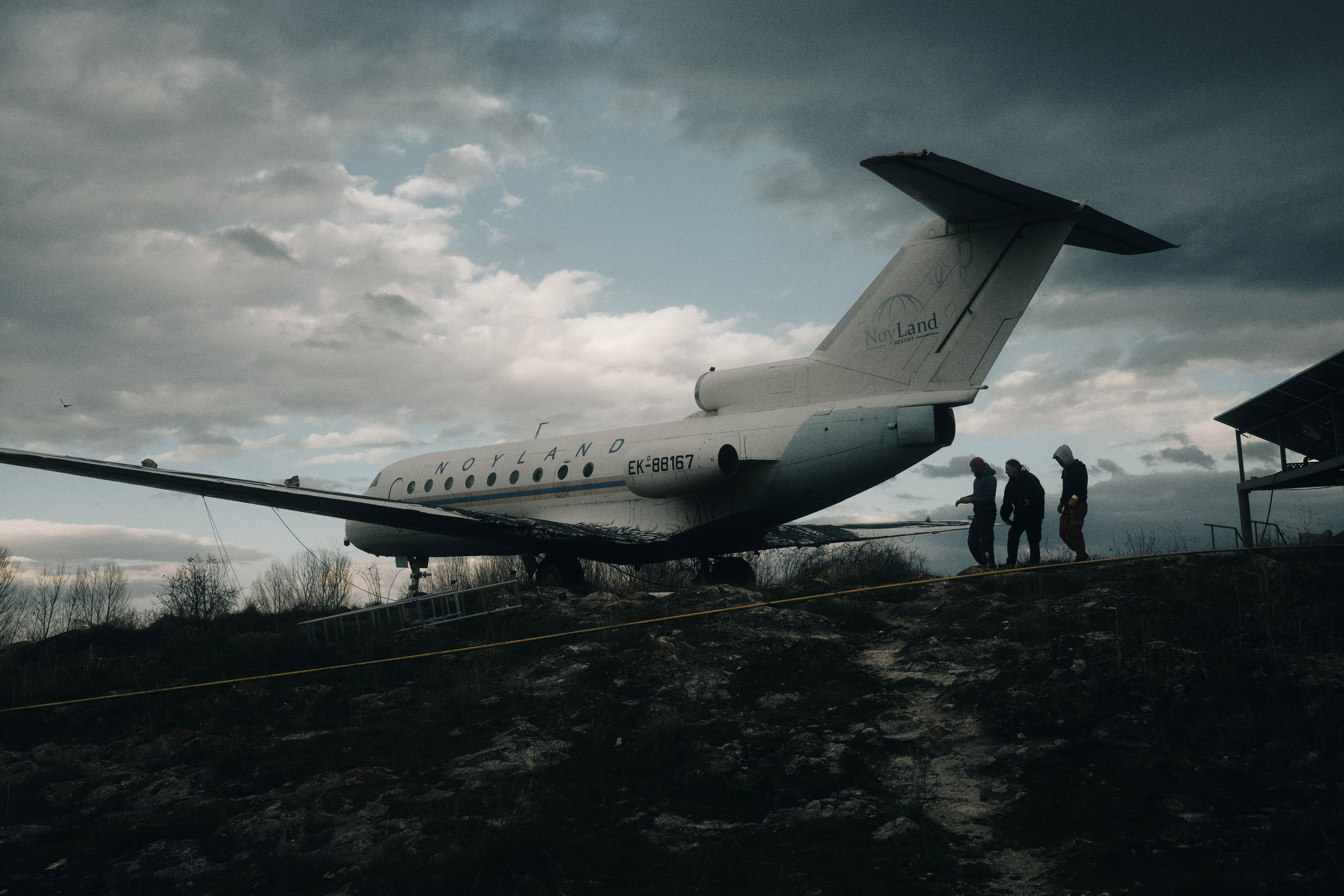
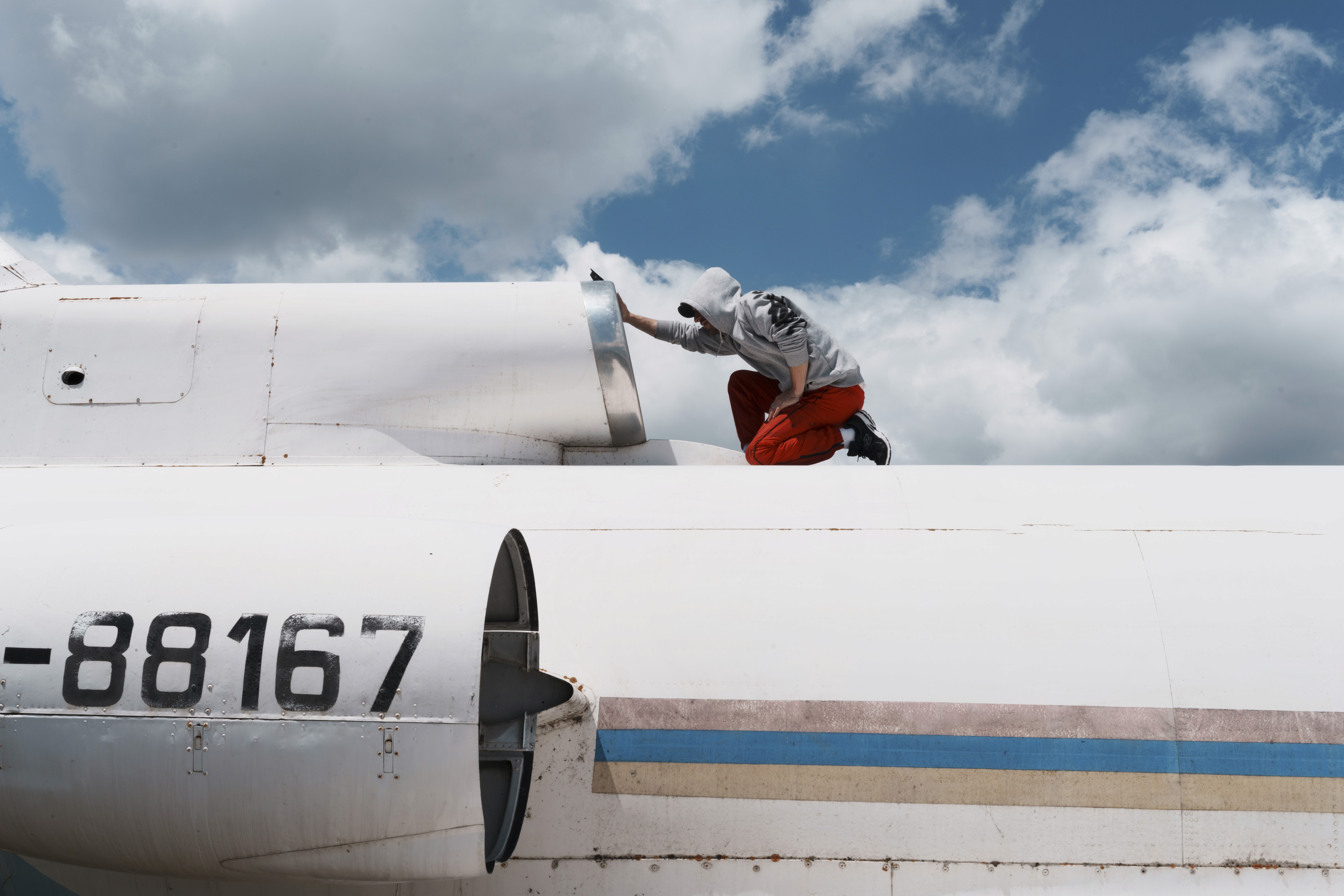
On Ascension Day, a decommissioned Yak-40 on the shore of Lake Sevan stops being an aircraft. From the ground it is a painted plane. From the sky it becomes the face of Christ, arms along the wings, a crown of thorns across the fuselage. The work is by Swiss artist Micha Häni, known as Vierwind, brought to Armenia with curator Anna Kamay. Here, the two answer our questions on memory in motion, on a grounded Soviet airliner as a surface, and on turning a machine built for speed into a place to stand still.

Why did you choose a Yak-40 – an aircraft that no longer flies, as the carrier for a motif so strongly associated with elevation and transcendence?
My manager Jean-Damien Zaccariotto and I spent several months searching for the right aircraft for this project. It wasn’t easy at all. The Yak-40 simply felt ideal in terms of form for the vision. Also, from a biblical perspective, Jesus is taken up into heaven 40 days after his resurrection. The number represents transition and transformation – which opens up an additional layer in this context. Things that have lost their original function, but are still present – that is what this is about. The aircraft has, in a classical sense, failed – it no longer takes off. And that is exactly where the tension arises: An object designed for movement is suddenly completely still. The painting does not restore function – but it shifts meaning. Maybe it is not about flying at all, but about what remains when flying is over.
Your calligraphy is meant to echo the Armenian alphabet. What kind of distance, cultural or personal, did you have to overcome in order to enter this language with your hand?
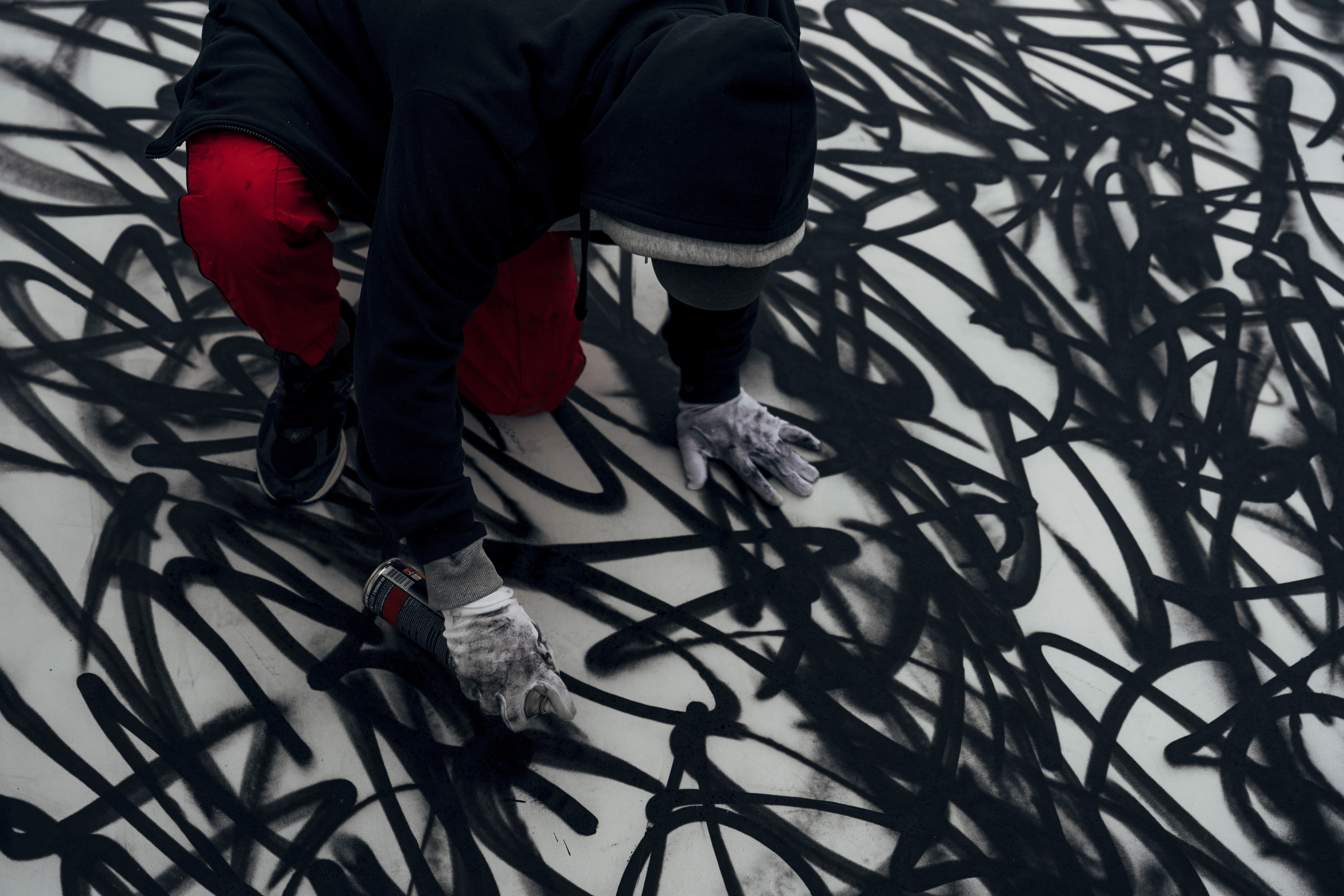
I did not try to speak the language. It was more about listening – visually. The Armenian alphabet has its own rhythm, its own dignity. I have been working with my own scripts for over ten years. My lines are not a translation of it, but an approximation. A respectful distance always remains – and that is important. I did not want to imitate, but to create a space in which two handwritings briefly touch.
The face of Christ here goes beyond religion – toward something universal: suffering, injustice, resilience. How aware were you of Armenia’s historical weight in this image?
I was fully aware of it from the beginning. Working on this project in Armenia was something very special for me. Armenia carries history in its ground. You feel it without it being spoken. I did not want to depict a specific event, but a state that goes beyond that. The garment made of writing draws the eye – you try to decipher it, to understand it, to grasp it. But it remains unreachable. It is not about providing a clear message, but about opening a space for reflection. Everyone should find within it what strengthens them and gives them hope.
From the ground, you see an airplane. From above, it becomes a crucified body. How did you think about these two perspectives – and who is each one for?
From the ground, the object remains what it is: an aircraft, a relic. Only from a distance does the image emerge. From a bird’s-eye view, however, it is not possible to tell whether the aircraft is still functional or not. I consciously did not want to depict a dead body, but a living one. What interests me is precisely this break: is the aircraft dead, or could it still fly? Is Jesus dead, or has he truly risen? This also means: You never see everything at once. The perspective from above is rare. The ground perspective is the everyday one. Both are true – but incomplete. Maybe that is exactly the point. Because the aircraft form is not on a flat surface but anamorphic, every angle looks completely different.
The aircraft is described as a connection between countries, generations, and identities. Where do you see yourself in this chain – as an observer or as part of it?
I am part of it, whether I want to be or not. Every work I create is shaped by where I come from – and where I am going. I observe a lot, but I also intervene. Maybe I am somewhere in between: observer in attitude, part of it in action.
You have worked with global brands such as Hugo Boss and Porsche. What changes – internally or ethically – when you move from commercial spaces to something that feels almost like an altar?
The context changes everything. In commercial work, there are clear frameworks – communication, audiences, expectations. This is not negative, but it is defined. Here there is no brand speaking. The work stands on its own – and carries a different responsibility. A place like this demands more restraint. More precision. wPerhaps also more honesty, because there is less room to hide.
This work speaks about memory – not as something fixed, but as something in motion. What has Armenia taught you about this idea?
I believe memory does not simply lie in the past, but is constantly present – in everyday life, in the landscape, in the people. In Armenia, you have the feeling that time forms layers that exist simultaneously. The aircraft is part of that: the past as object, the present as image, the future as an open question.
Maybe memory is less an archive and more a state in which we move.
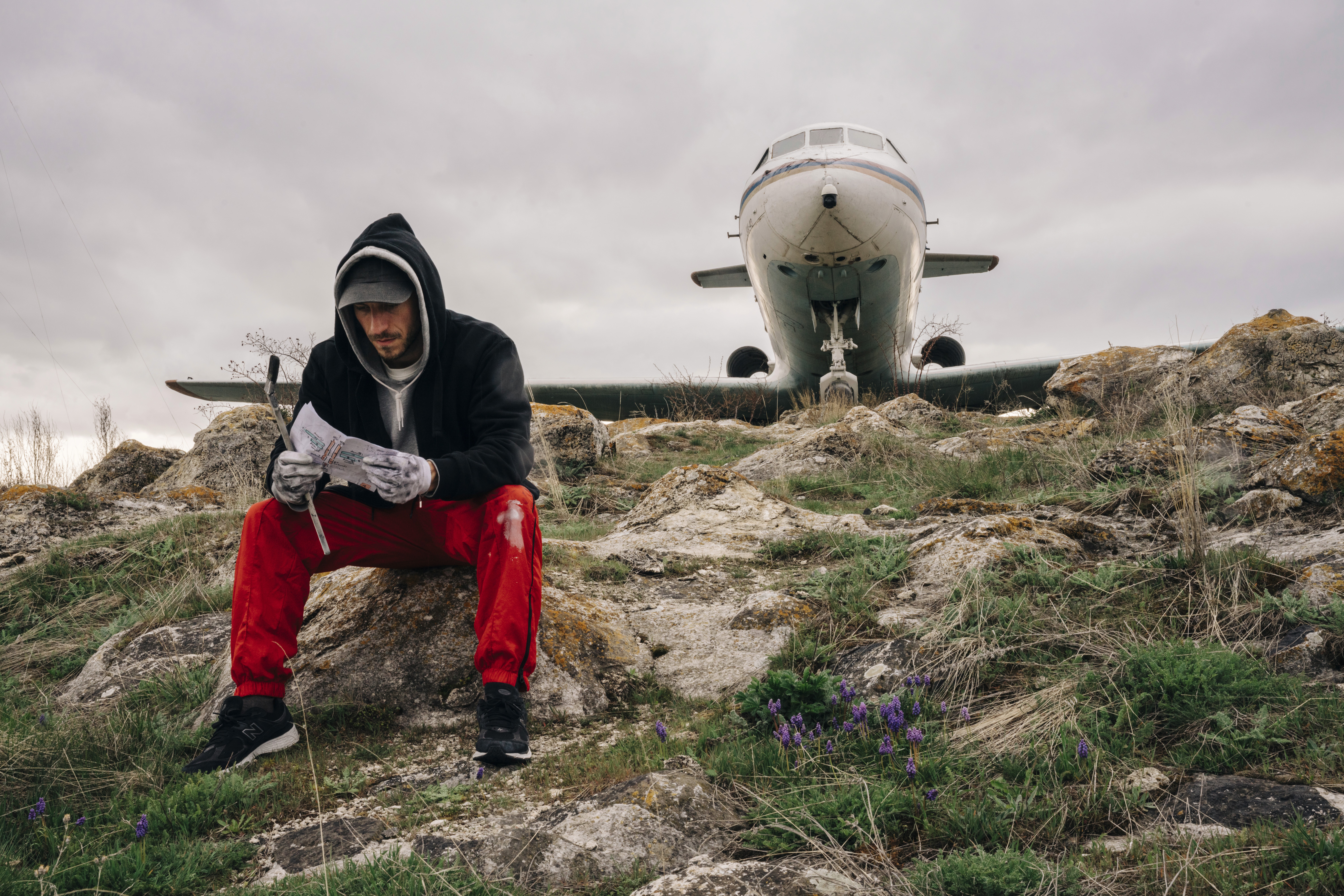
Why did this combination — this artist, this aircraft, this landscape — feel inevitable to you?
All I can say is that the stars aligned, and this project was meant to be realized in Armenia . When Jean Damien, Micha’s manager, first approached me as a fixer and producer to help locate an abandoned airplane for the project, I had no idea it would become one of the highlights of my curatorial career. Interestingly, Jean Damien did not know that I was also a curator when he shared Micha’s artist statement, but I immediately felt a profound connection to the vision and a strong sense of responsibility to help bring it to life.
What continues to amaze me is how seamlessly everything ultimately came together despite the many logistical and creative challenges along the way. Looking back, it truly feels as though the project was guided by something greater than all of us — a kind of divine alignment that carried it into existence.
This project enters Armenian collective memory through a foreign artistic voice. Where did you feel the risk, and where did you feel the necessity?
The risk was precisely in engaging with a collective memory that is so deeply sacred, painful, and foundational to Armenian identity through the perspective of an outsider. For me there was something deeply symbolic about realizing this work here, in Armenia, the world’s first Christian nation, where the alphabet itself was created for the translation of the Bible, under the enduring presence of Mount Ararat and the legacy of Noah’s Ark. It felt as though the conceptual and spiritual dimensions of the project naturally belonged to this landscape.
The work is described as an “altar of memory and resilience.” What does it mean to curate an altar today, outside of an institutional or religious space?
It means creating a space for presence, reflection, and collective remembrance. I believe that every person carries their own altars — sometimes physical, sometimes deeply internal. They exist in the rituals we inherit, in family stories, in objects we protect, in moments of prayer, grief, celebration and communal rituals that have survived across generations despite displacement, violence, and erasure. Altars are not confined to churches or museums; they emerge wherever people seek connection to something larger than themselves.
For me, this project was never about constructing a monument in the traditional sense, but about activating a symbolic space where memory, vulnerability, and resilience could coexist.In that sense, curating an altar today is less about authority and more about holding space. It is about creating conditions for emotional and spiritual encounter. Contemporary art can become a vessel for that kind of experience when it allows people to project their own histories, wounds, and hopes onto the work.
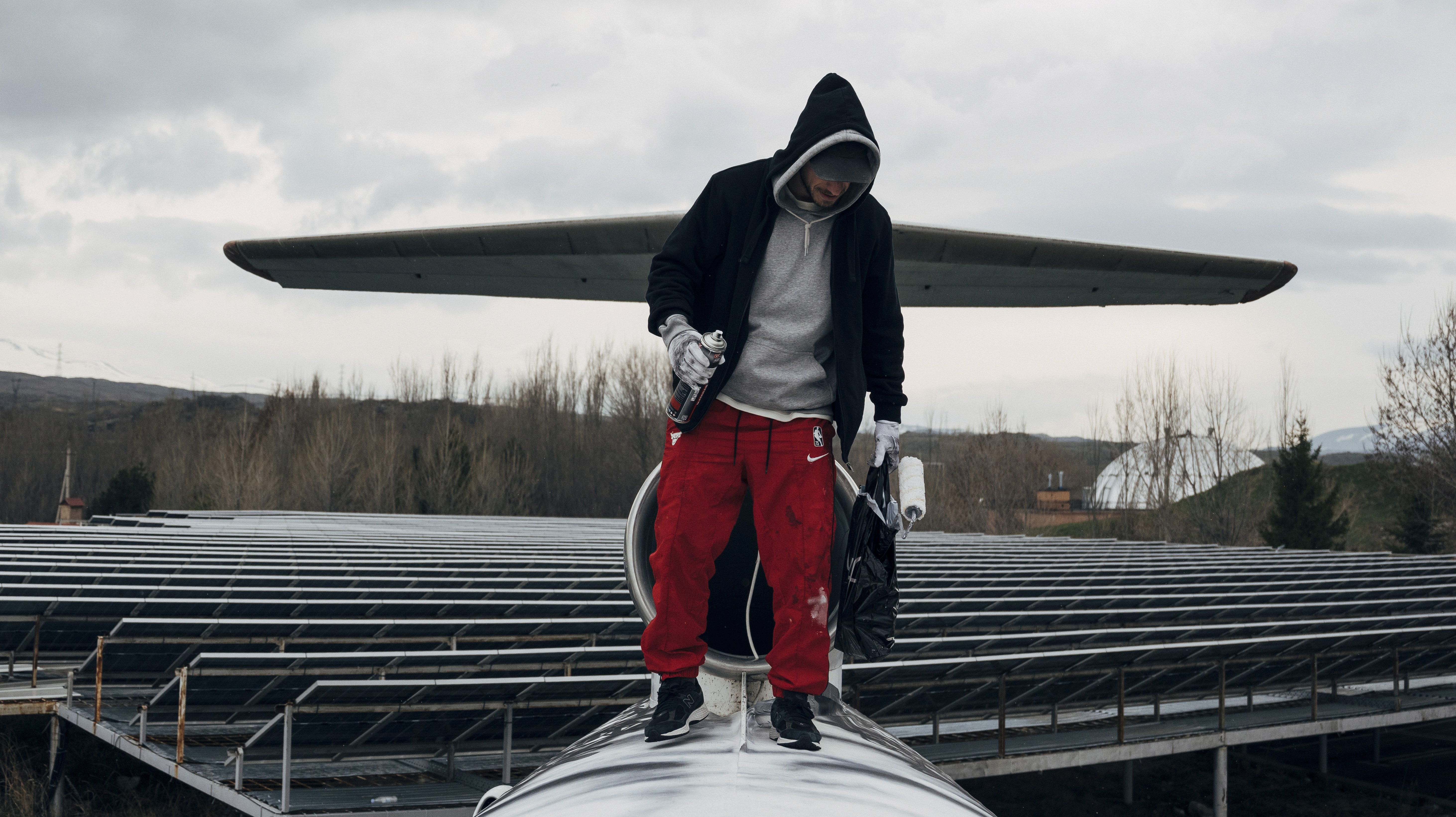
A Soviet aircraft, a Christian icon, and Armenian historical memory intersect here. How do you imagine viewers navigating these layers — emotionally or intellectually?
Imagine the encounter with the work beginning through a kind of cognitive dissonance. This project creates a space where contradiction itself becomes meaningful — where a grounded aircraft can become a vehicle for inner elevation, and where collective memory can transform ruins into something almost sacred.
Viewers are confronted with elements that do not naturally belong together: a Soviet aircraft, a Christian iconographic language, and the emotional weight of Armenian historical memory. There is tension between the material and the spiritual, between machinery and transcendence, between collapse and elevation. I think that friction is essential to the work.
The aircraft itself is especially important as an allegorical object. A plane is designed to lift bodies into the sky, yet this one can no longer fly. And still, within the context of the artwork, it becomes capable of another form of elevation — not physical, but emotional, symbolic, even spiritual. In a way, the machine's failure creates the possibility for the soul to ascend instead.
That paradox deeply resonates with me because it reflects something profoundly human. We often search for transcendence precisely through brokenness, through ruins, through the remnants of histories that have failed or collapsed. The Soviet aircraft carries the memory of an entire ideological system, while the Christian symbolism introduces another dimension of it. Armenian historical memory exists somewhere within and beyond both of those structures.
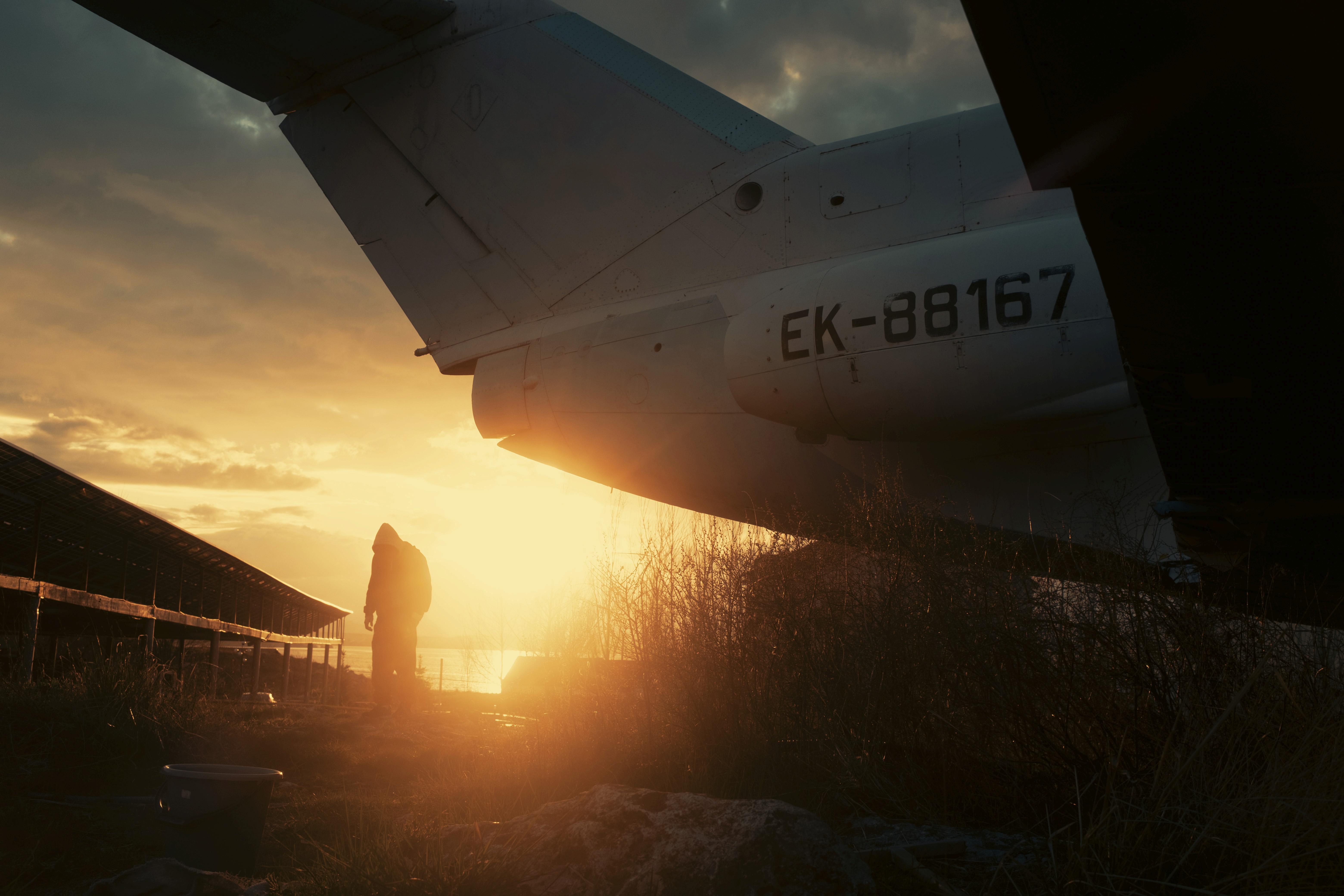
Lake Sevan is not a neutral location. What does this landscape add to the work that a museum or gallery never could?
The exact location was not initially important, and this was the only discarded aircraft I found and managed to convince the owners to have Jesus on it but I strongly believe that works like this do not belong to the sterile “white box” of institutional art spaces. The environment, the history embedded in the site itself, and the rawness of the decommissioned aircraft all became part of the work’s emotional and spiritual language.
How do you think the Armenian public will respond to a Christ figure created by a non-Armenian artist? What kind of dialogue are you hoping this tension opens?
I would say that the nationality of the artist is ultimately secondary. The figure of Jesus belongs to a universal visual and spiritual language that has been interpreted across centuries, cultures, and geographies. Art has always crossed borders long before politics did. What matters is not where the artist comes from, but whether the work creates a meaningful encounter — emotionally, spiritually, or intellectually.
Armenia itself has a long history of absorbing and reinterpreting outside influences while preserving a strong cultural identity. A Christ figure created by a non-Armenian artist can therefore become not a contradiction, but part of a broader dialogue about universality, faith, memory, suffering, and humanity.
I also think it is important to remember that public reactions to representations of Christ are never only about religion — they are about ownership, identity, visibility, and emotion. We have seen similar discussions around monumental religious imagery before, including the large Jesus statue project associated with Dodi Gago, which already opened debates in Armenian society about scale, symbolism, taste, spirituality, and the role of public art. Those conversations showed that people care deeply about how sacred imagery enters public space.
The tension itself is valuable. I would hope it opens a dialogue about who has the right to interpret sacred figures, whether spirituality can exist beyond nationality, and how contemporary art can engage with traditions without being confined by them. In that sense, disagreement is not necessarily failure — it can be evidence that the work is alive within the public consciousness.
The aircraft never takes off, yet the work speaks about elevation. As a curator, how do you hold that contradiction?
I see that contradiction as the conceptual core of the work rather than a problem to resolve. The aircraft never physically takes off, yet the work is deeply concerned with elevation — not in the mechanical sense, but in a spiritual and psychological one.
We often associate flight with transcendence, freedom, escape, or ascension. Here, however, the aircraft remains grounded, almost suspended between movement and stillness. That tension shifts the meaning of elevation away from technology and toward the inner condition of the human being. The work suggests that transcendence does not necessarily require physical motion. A person can remain geographically or materially fixed while still undergoing a profound spiritual transformation.
In that sense, the grounded aircraft becomes symbolic of human limitation. The body, history, trauma, politics — all of these can keep us “on the ground.” Yet spiritually, emotionally, imaginatively, there is still the possibility of rising above. The work holds both realities at once: gravity and ascension.The aircraft becomes almost metaphysical — a vessel pointing toward ascent while remaining physically unable to leave the earth.
What does this project reveal about the current condition of Armenian contemporary art — and what kind of future are you trying to push it toward?
I think this project reveals both the potential and the limitations of the current condition of Armenian contemporary art. I often feel there is a lack of critical confrontation — not only with political or social reality, but also with the condition of art itself. Too often, there is a sense of complacency, where works remain within familiar aesthetic or cultural boundaries instead of truly challenging audiences or risking discomfort.
What concerns me is not the absence of beauty or craftsmanship, but the absence of disturbance. Art should not only decorate consensus; it should question it. It should create friction, tension, even disagreement. If nothing shocks us anymore, if nothing unsettles us or forces reflection, then contemporary art risks becoming passive rather than alive.
This project intentionally operates at a monumental scale. It is the biggest artwork I have ever curated, and scale here is not only physical — it is conceptual and emotional. I loved that this work is impossible to ignore. Monumentality creates confrontation; it demands a response from the public, whether positive or negative.
What I hope to push Armenian contemporary art toward is greater fearlessness. I want artists to feel that they can think bigger, take risks, address subjects that society is uncomfortable with, and not retreat because of criticism or public resistance. Criticism is not necessarily a sign of failure; often it means the work has touched something real.
For me, the future of Armenian contemporary art should be ambitious, intellectually demanding, emotionally honest, and unafraid of occupying space — culturally, politically, and physically.
Artist: Micha Häni aka Vierwind vierwind_
Curator: Anna Kamay anna_kamay
Photographer: Mattia Coda mattia__coda
Management: Jean-Damien Zaccariotto jeandamienz