VAHE HOVHANNISYAN | HAMAHOONCH DRUM CIRCLES
VAHE HOVHANNISYAN | HAMAHOONCH DRUM CIRCLES
VAHE HOVHANNISYAN | HAMAHOONCH DRUM CIRCLES
14 min read
14 min read

[No. 004]
Most of us aren't really here.
If you slow down for a second, you might notice it. The day just keeps moving. Conversations happen, decisions get made. The mind keeps running, jumping, replaying, and planning. It's like a browser with forty tabs open.
Every once in a while, I step back and think: damn. I was there… but I wasn't really there. Things just happened. I didn't choose them. I wasn't fully present for them.
After a decade in California and bouncing around the world trying on different lives, that hit me in the gut. The environment was never the problem. You can't run away from yourself. No matter where you go, there you are. Same head, same patterns, just with a different backdrop. The real issue is that our minds have taken the wheel. We've forgotten how to be physically here, in this body, in this moment.
I think a lot of people sense this on some level. There's this quiet pull toward anything that might actually bring you back into your body. Back into the actual physical experience of being here.
You see it in the pictures people save on Pinterest. Mostly the same vibe: someone alone on a quiet beach, sitting by a still lake, or in a tiny cabin in the woods. It's never crowded or busy. It's empty, soft, peaceful.
It's not really about the beach or the mountains. It's about the feeling those images promise. Stillness. A moment where thought stops running the show, and you can actually feel what is happening.
These days, we live so much in our heads that we've kind of forgotten how to just exist in our bodies. It doesn't happen naturally anymore. It takes practice.
Meditation is the most direct way I know. But the people who need it most usually roll their eyes the second it sounds like self-help.
One common kind of meditation is simple: you notice when your attention drifts, and you bring it back. Again and again. Not once, not when it's convenient, but continuously. That's the practice. What you’re training is the ability to notice thoughts as things that happen, rather than being automatically carried away by them. To see the monkey mind start spinning and not automatically go with it. That's what makes it powerful, but also what makes it hard. There’s very little external structure holding your attention. It's just you noticing when you drift, and gently bringing yourself back.
So the question is: how do you create a space where people can taste presence without having to buy into any ideology first?
There are certain activities that get you close. Sports, dancing, and working with your hands. They pull you out of your head for a while. But even then, it usually comes in flashes. You're in it… Then you're thinking again… then you're back for a second.
A lot of these activities create presence by giving the mind something strong enough that thinking fades into the background. There's enough intensity, speed, or stimulation that thinking just falls away. In sports, it's pressure, competition, adrenaline. In dancing, it can easily slide into expression, performance, or how you're being perceived. All of that can feel good. It can feel like a presence. But unless there is some element of noticing, returning, and staying aware of experience as experience, it does not necessarily train the same skill. And that part doesn’t happen automatically.
And honestly, we've started blurring the line when we call everything "my meditation." Running, cooking, whatever. It's become kind of a cliché, and it waters down what actual practice does.
And that's where something like drum circles becomes interesting.
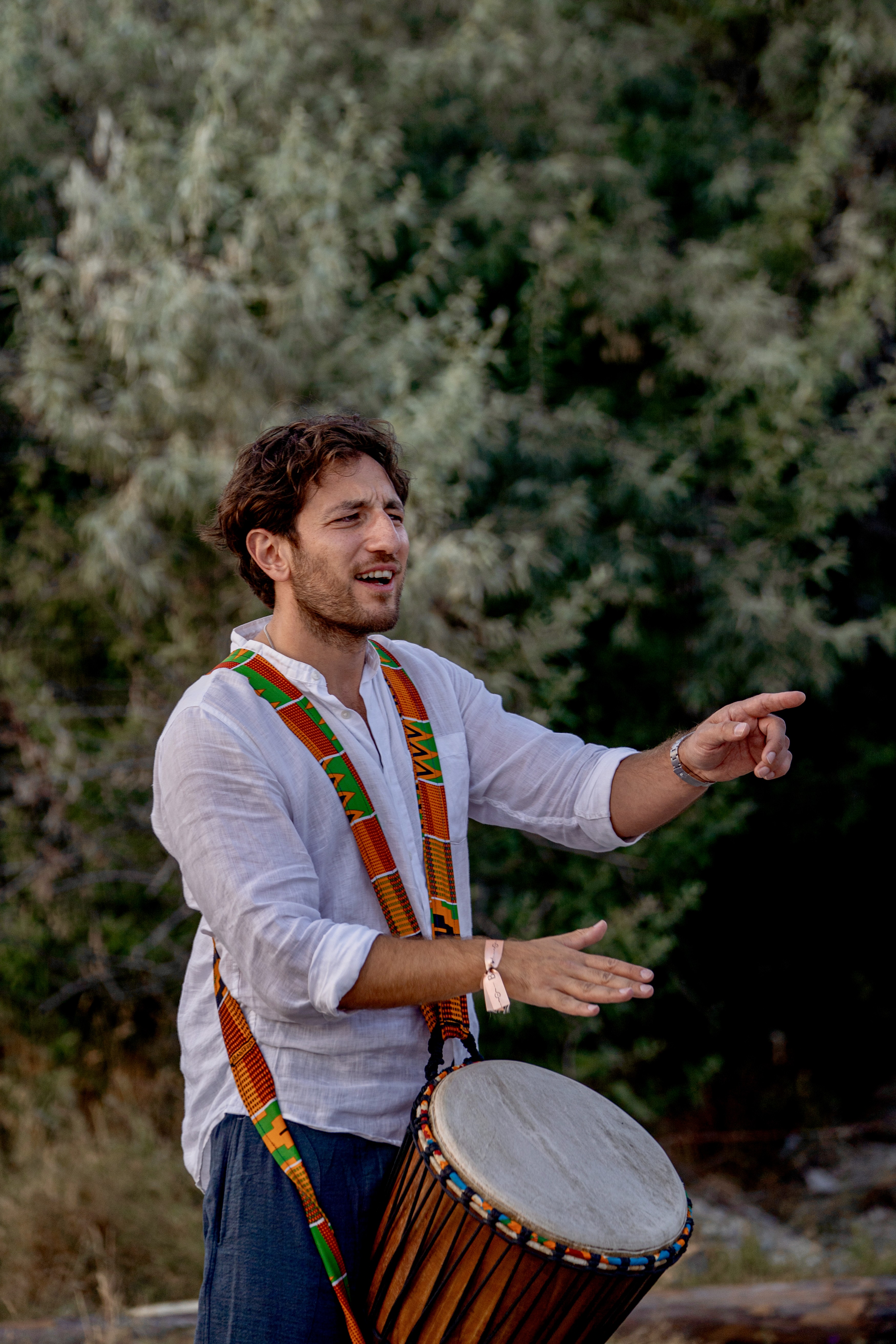
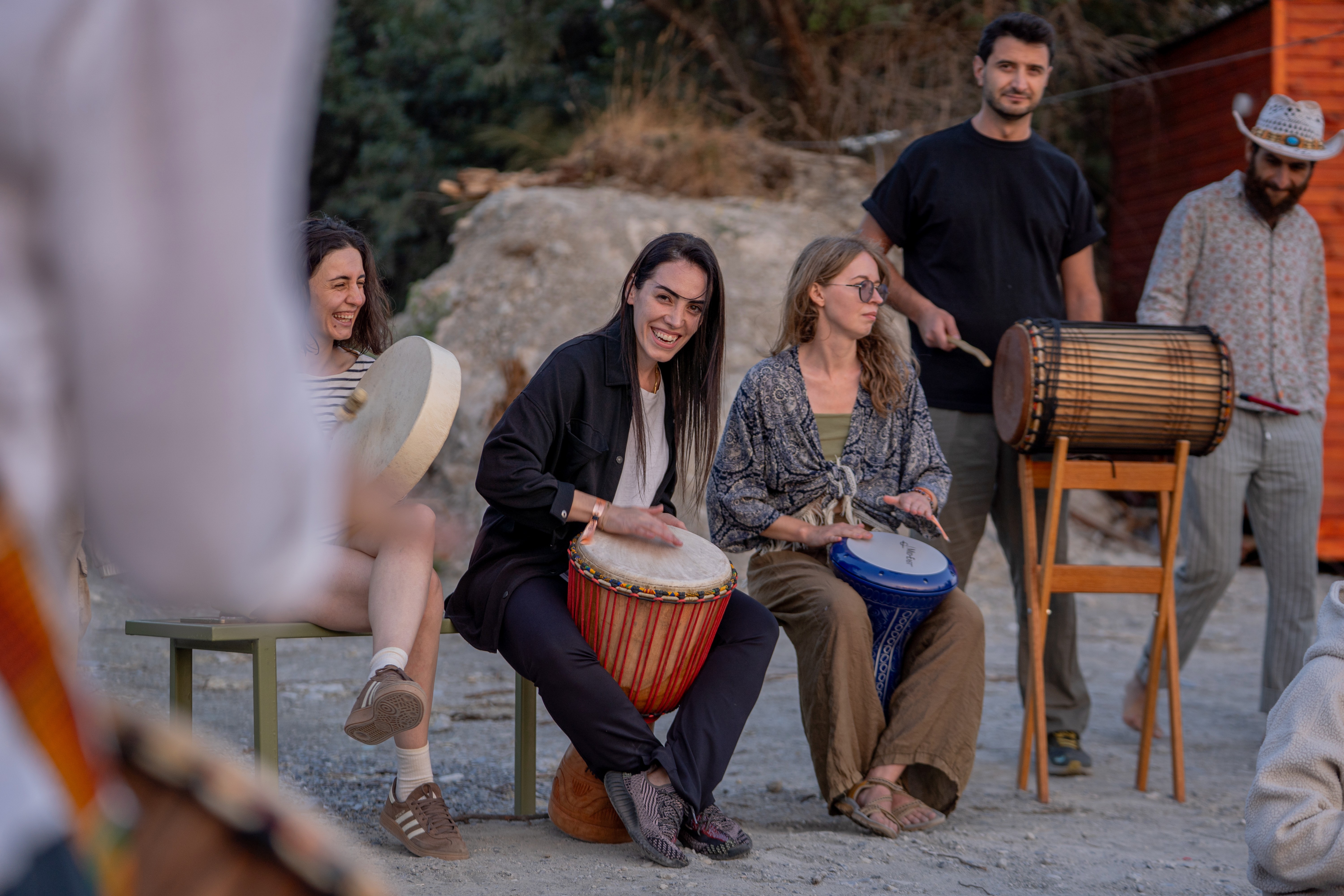
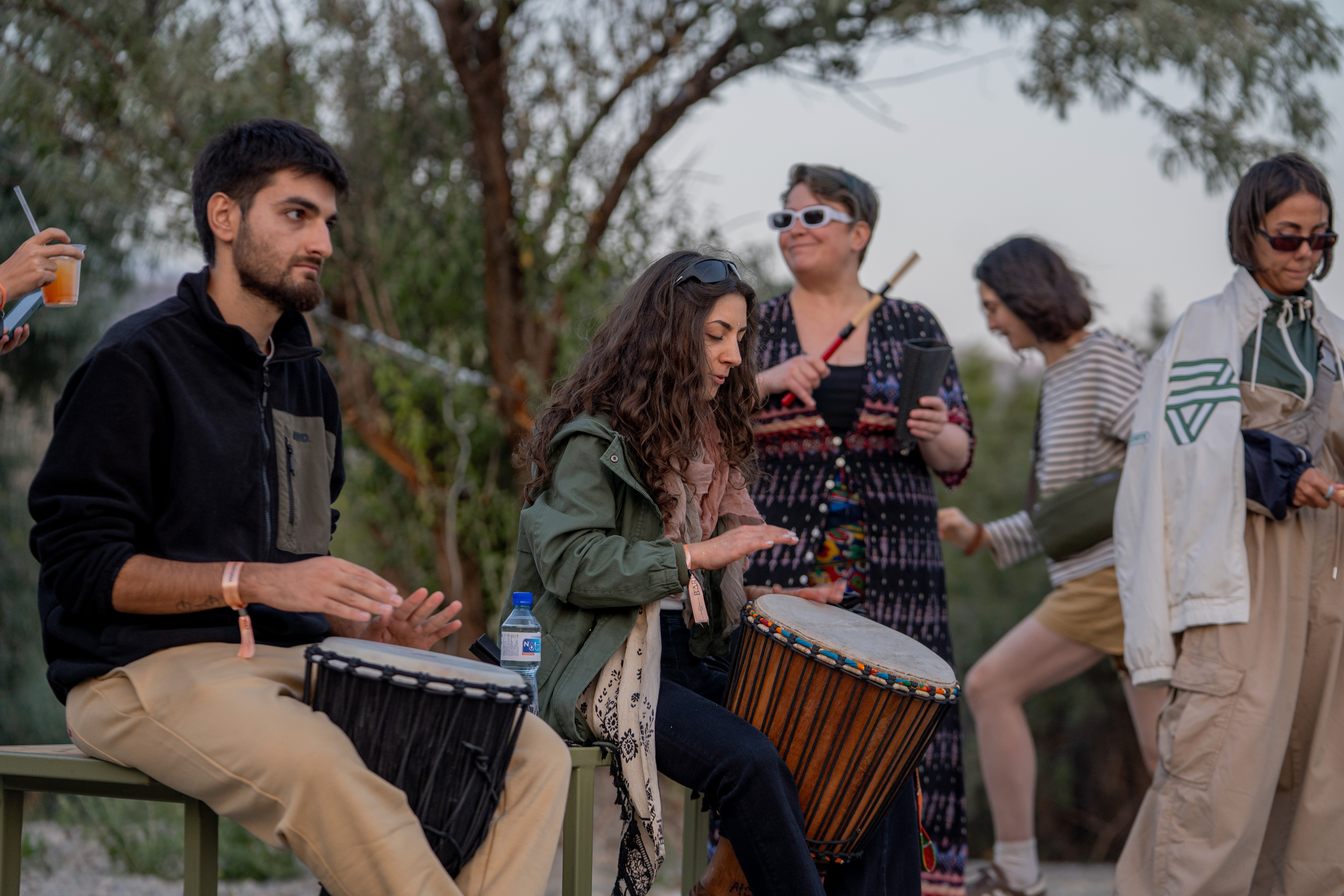
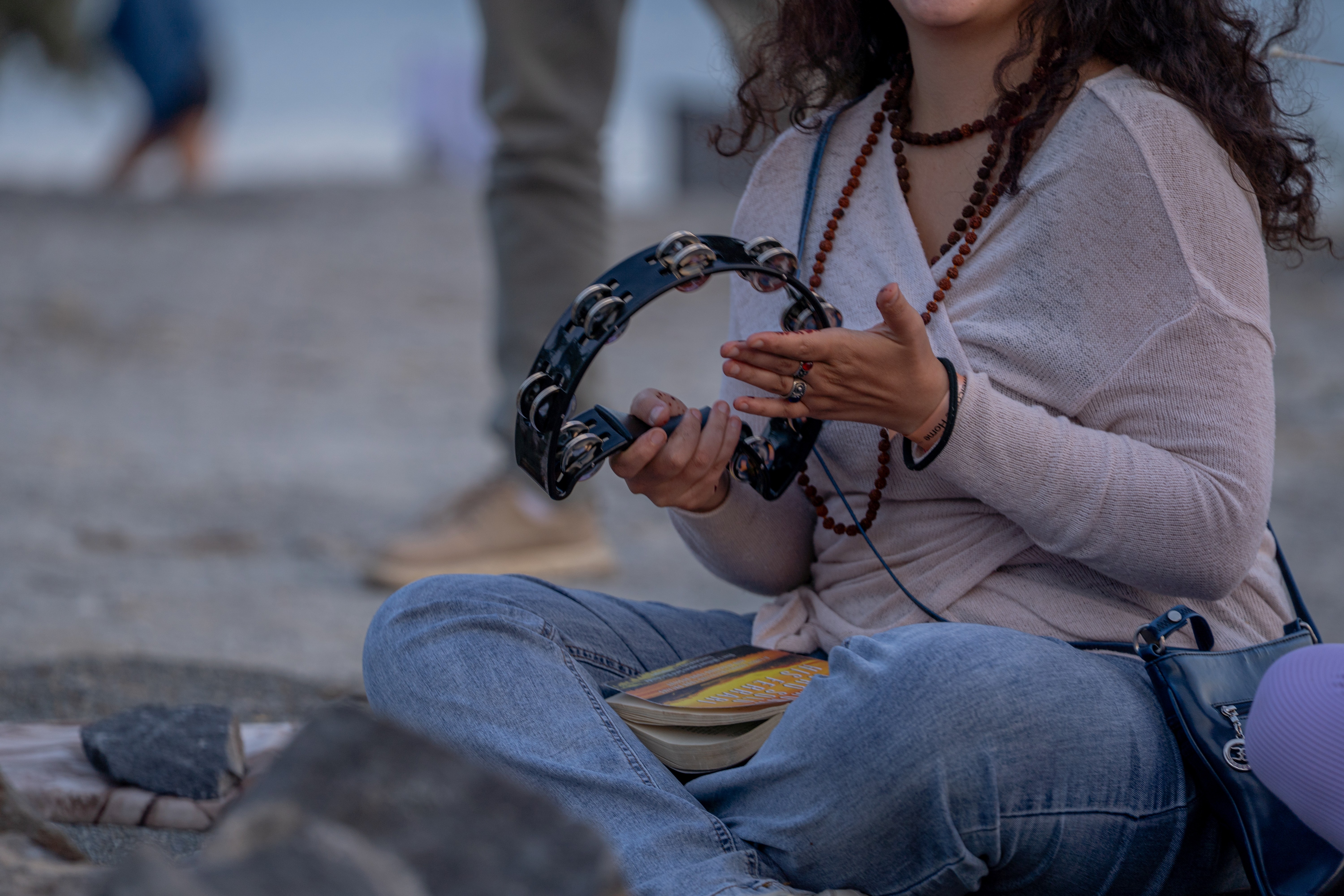
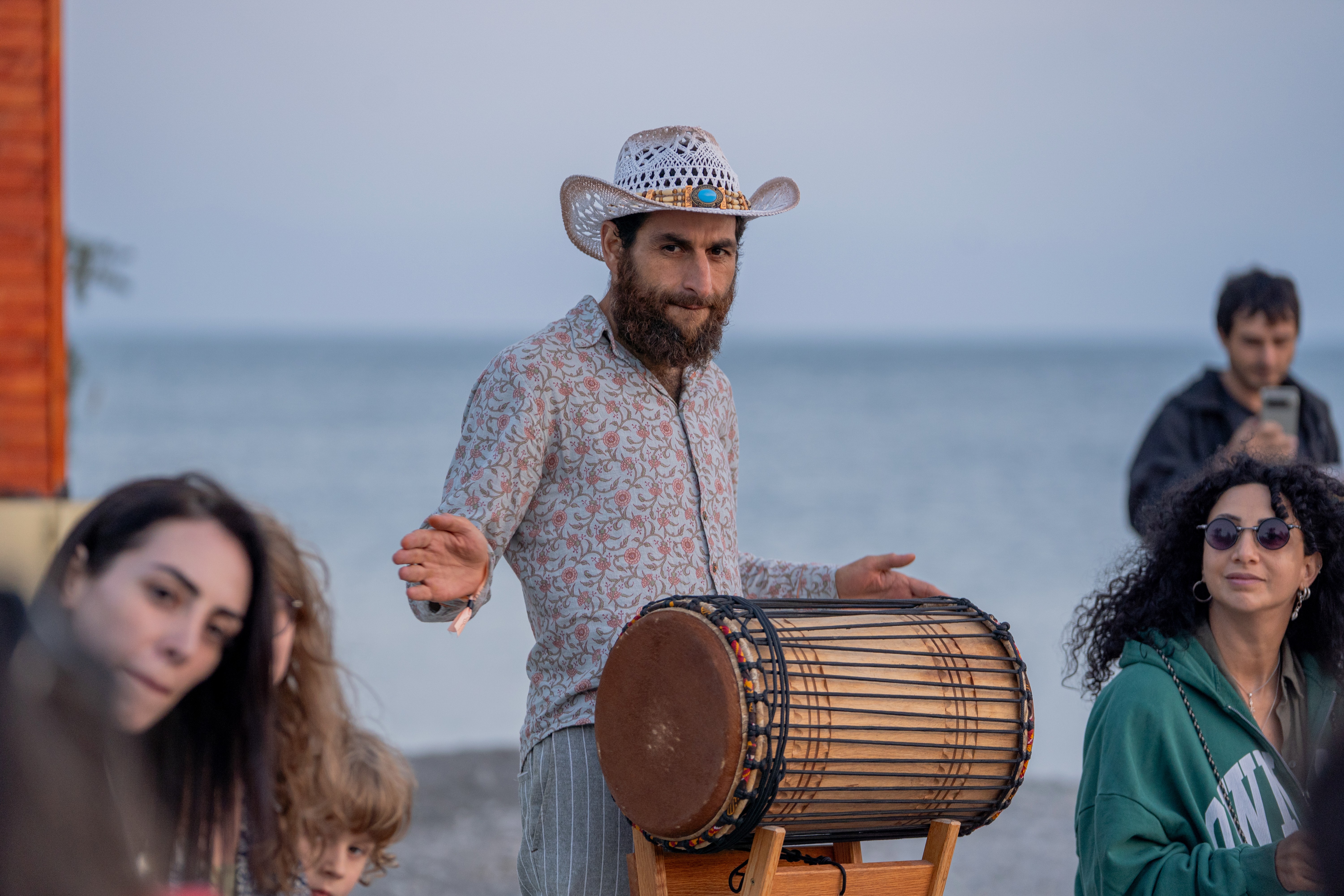
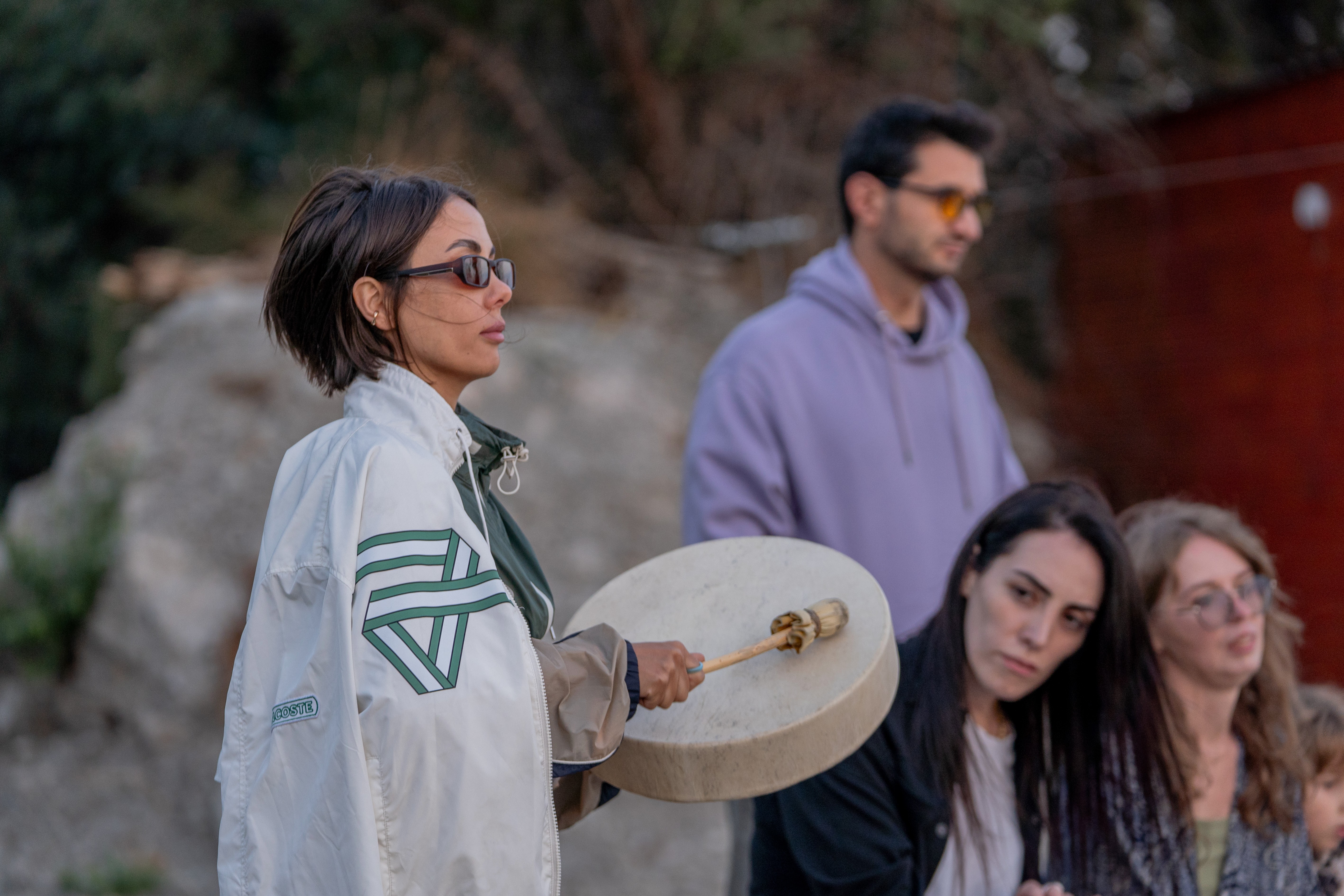
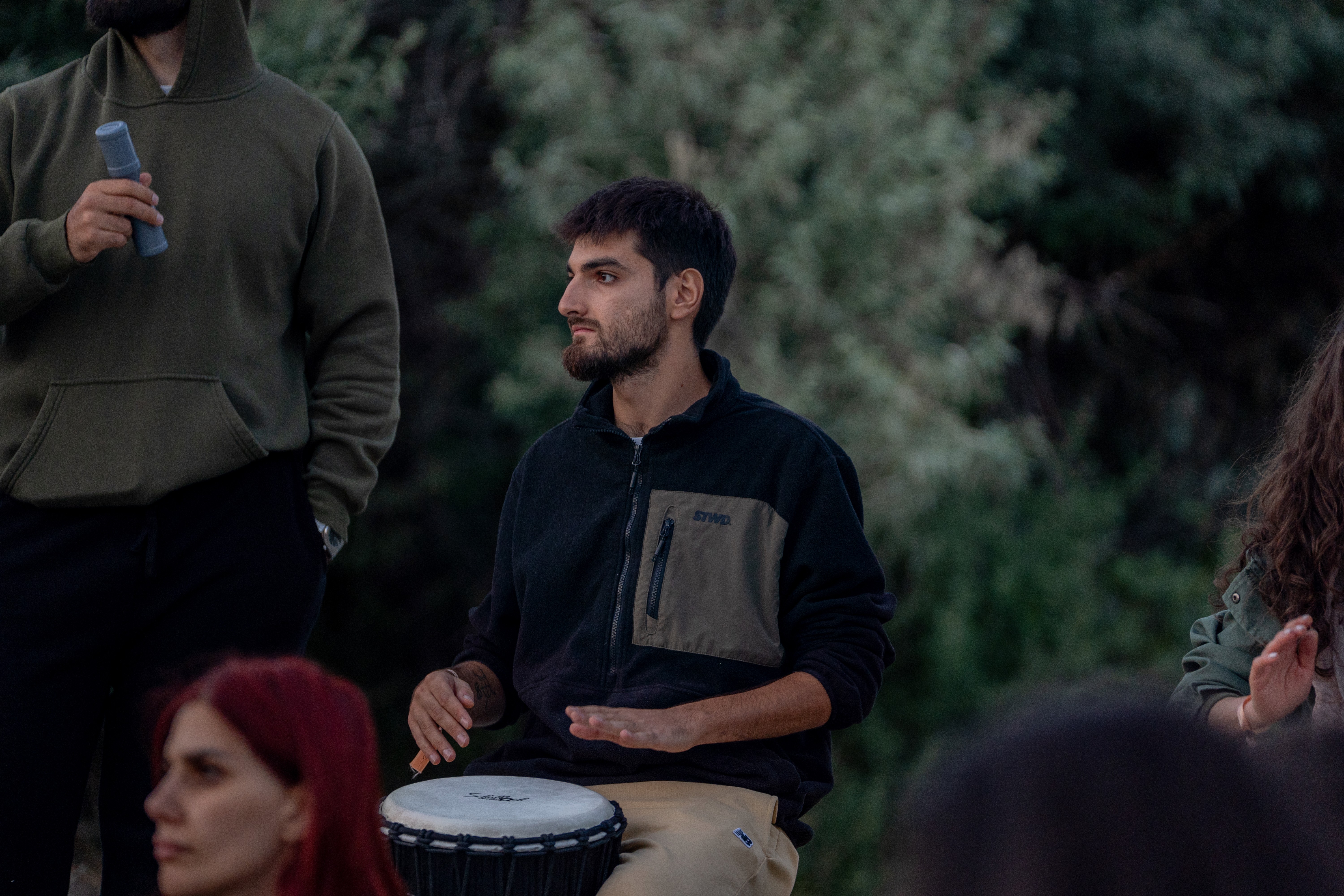
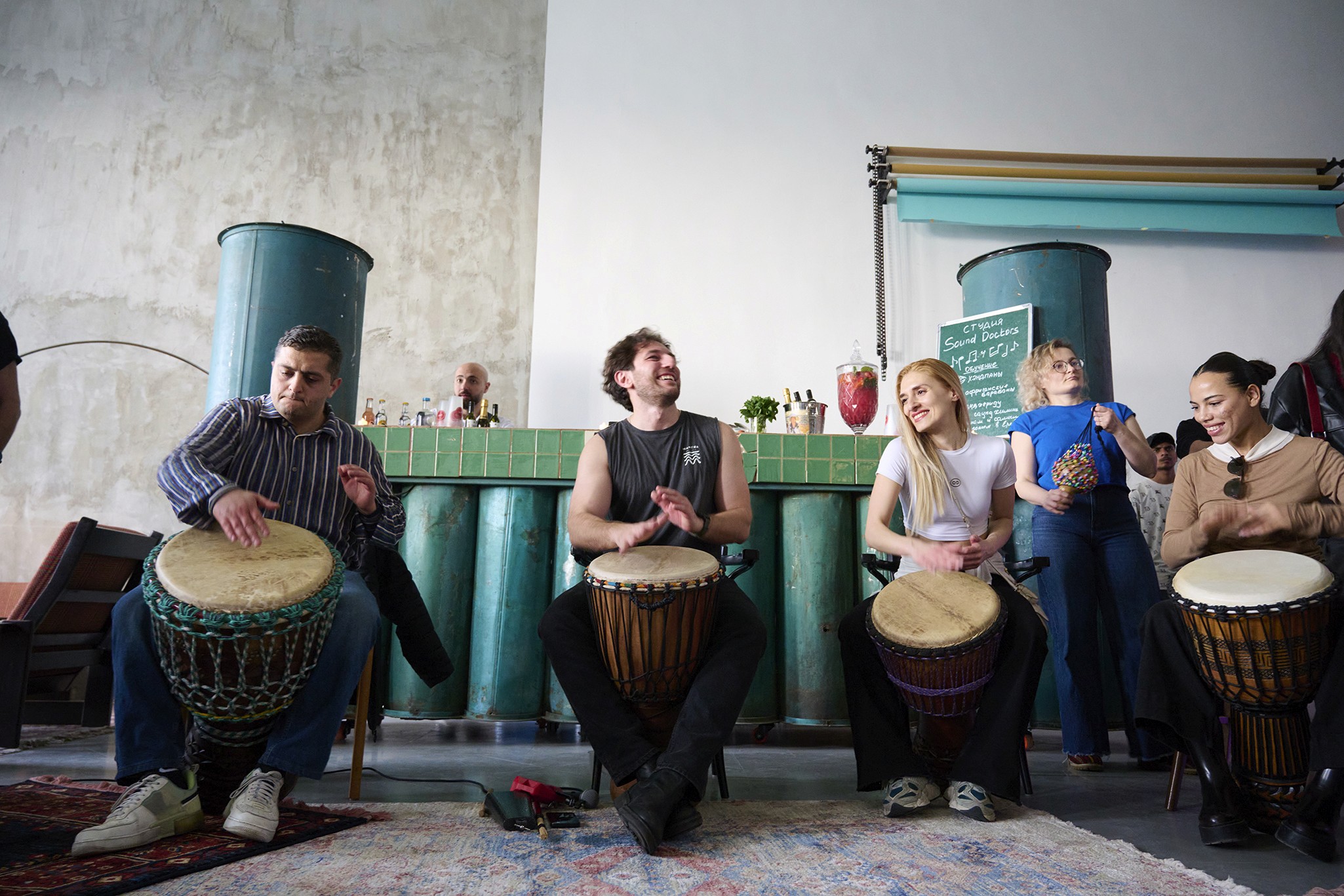
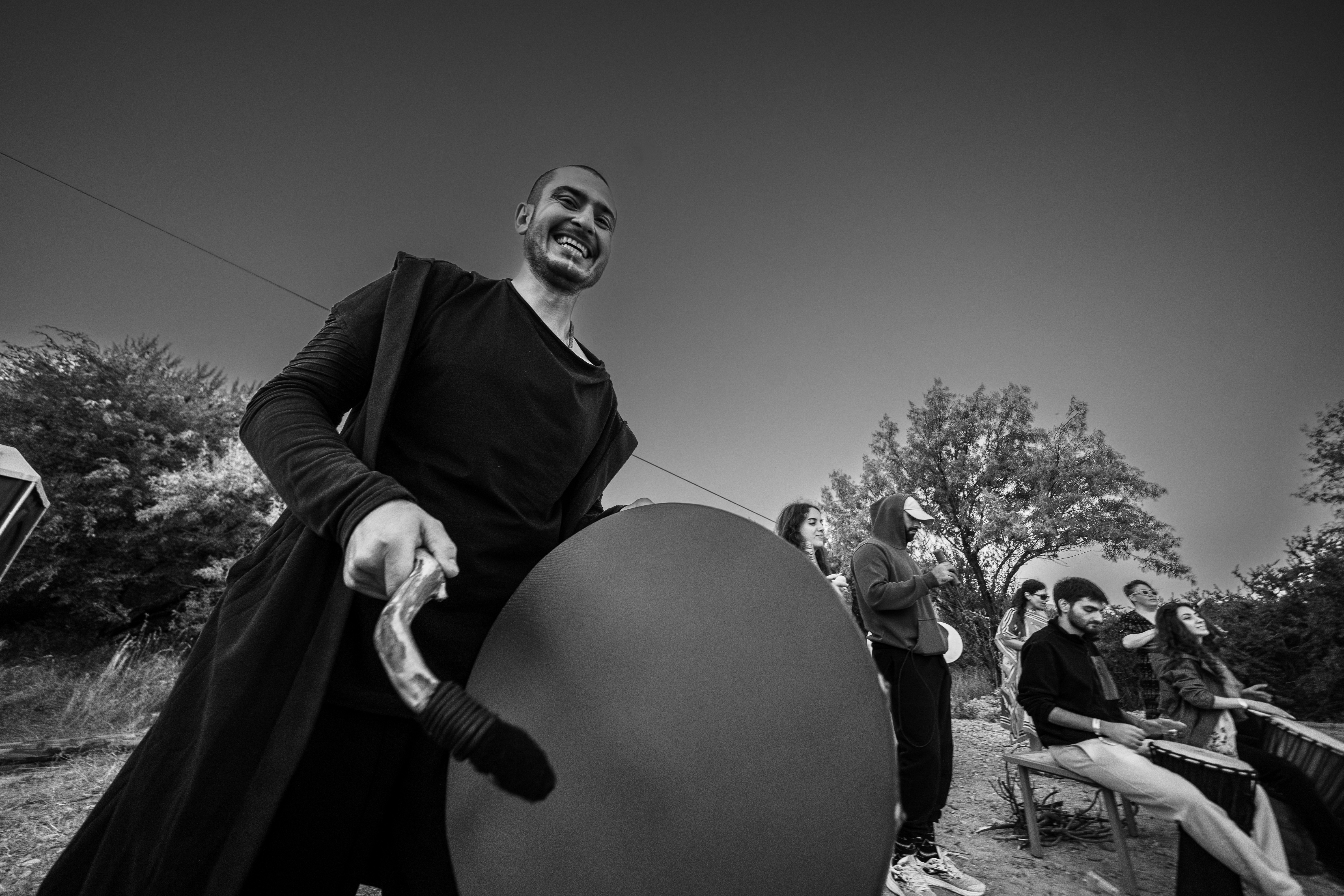
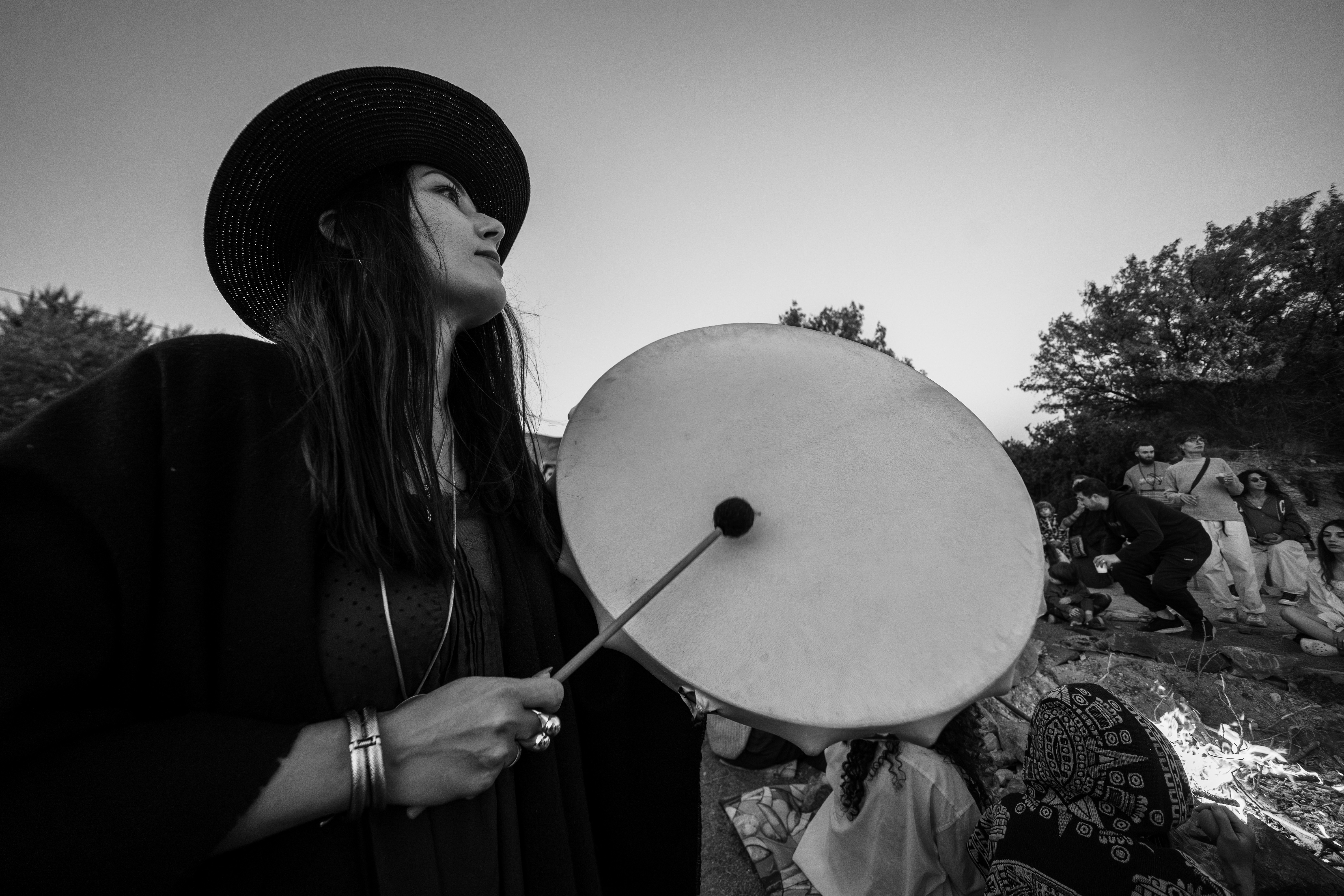
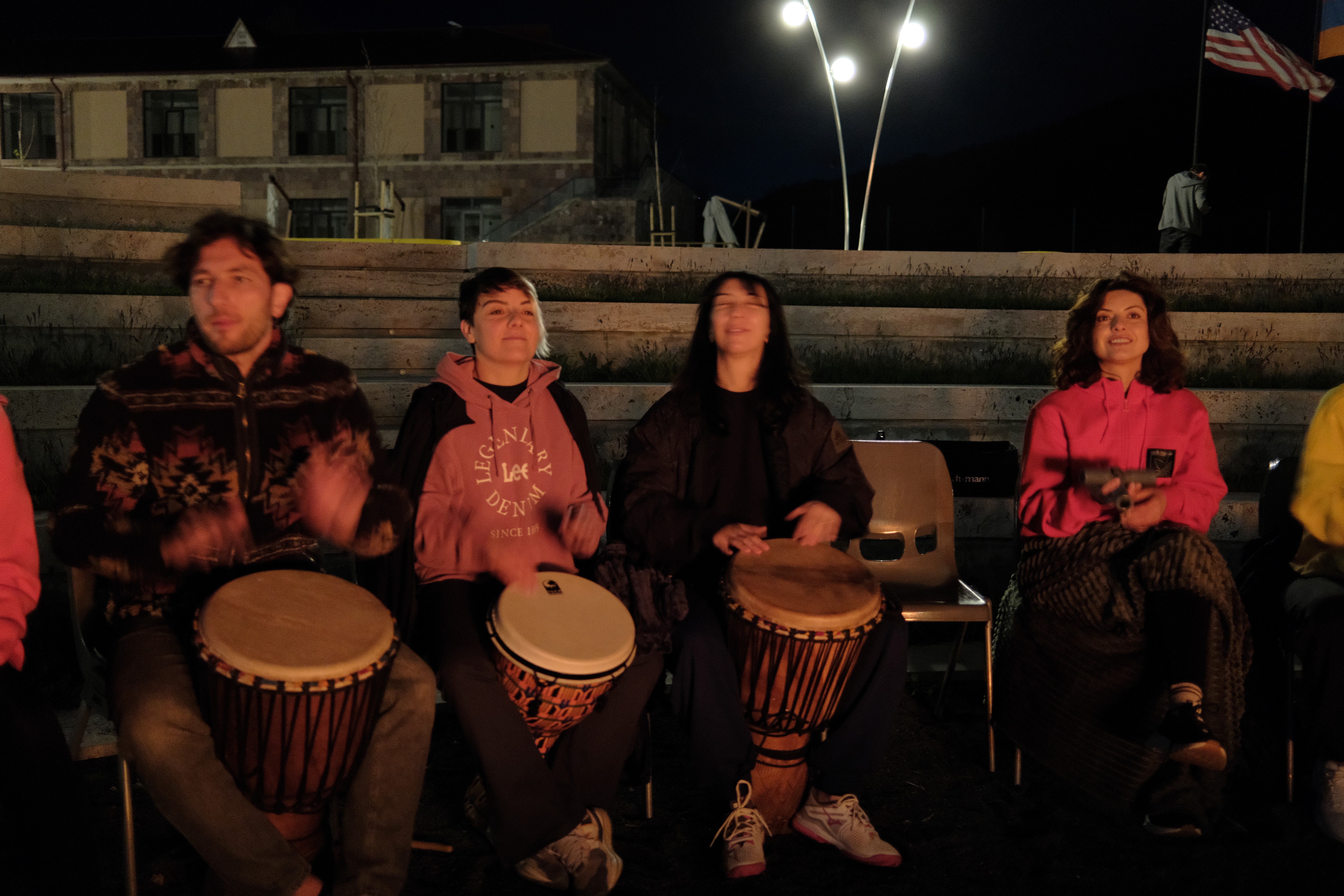
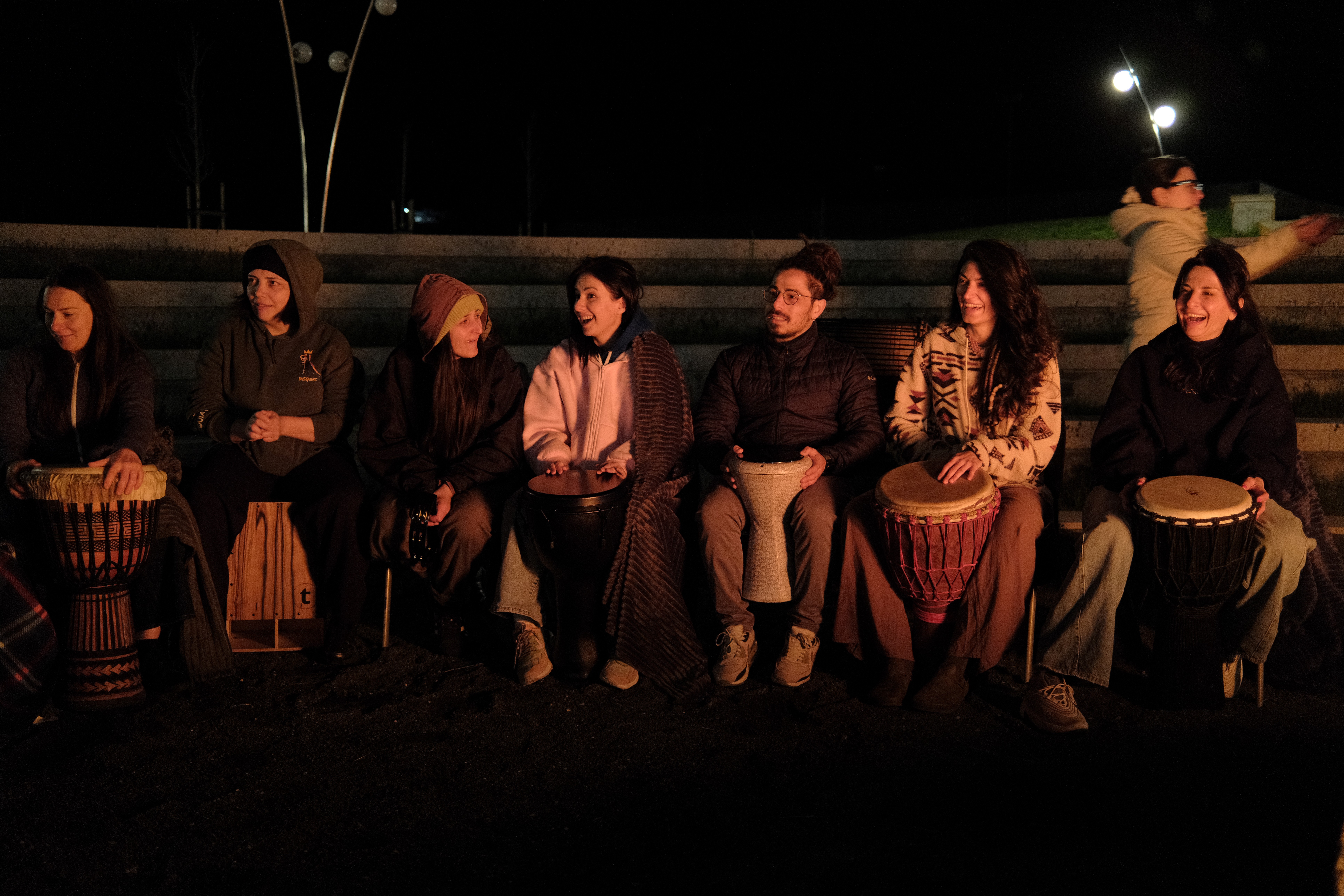
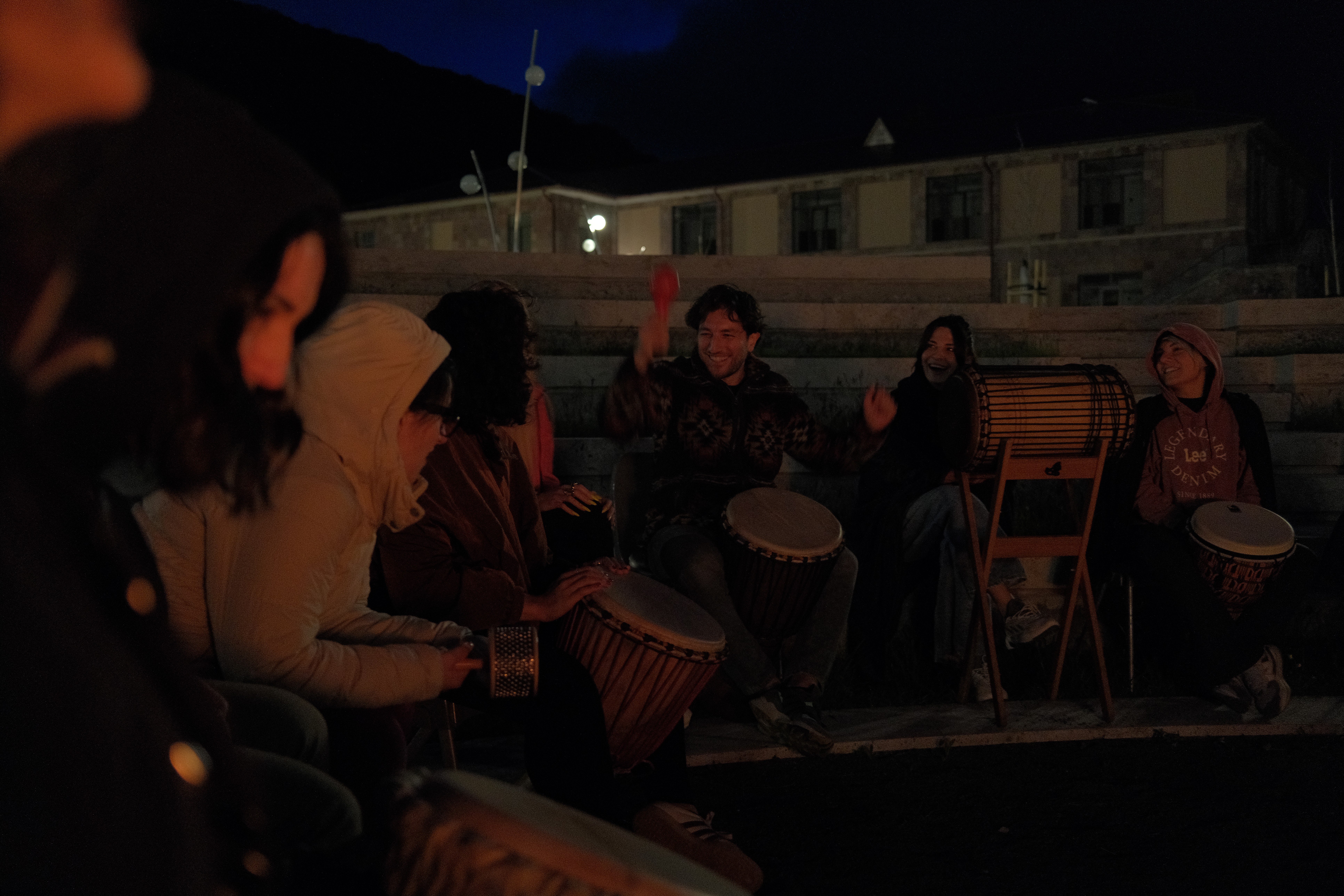
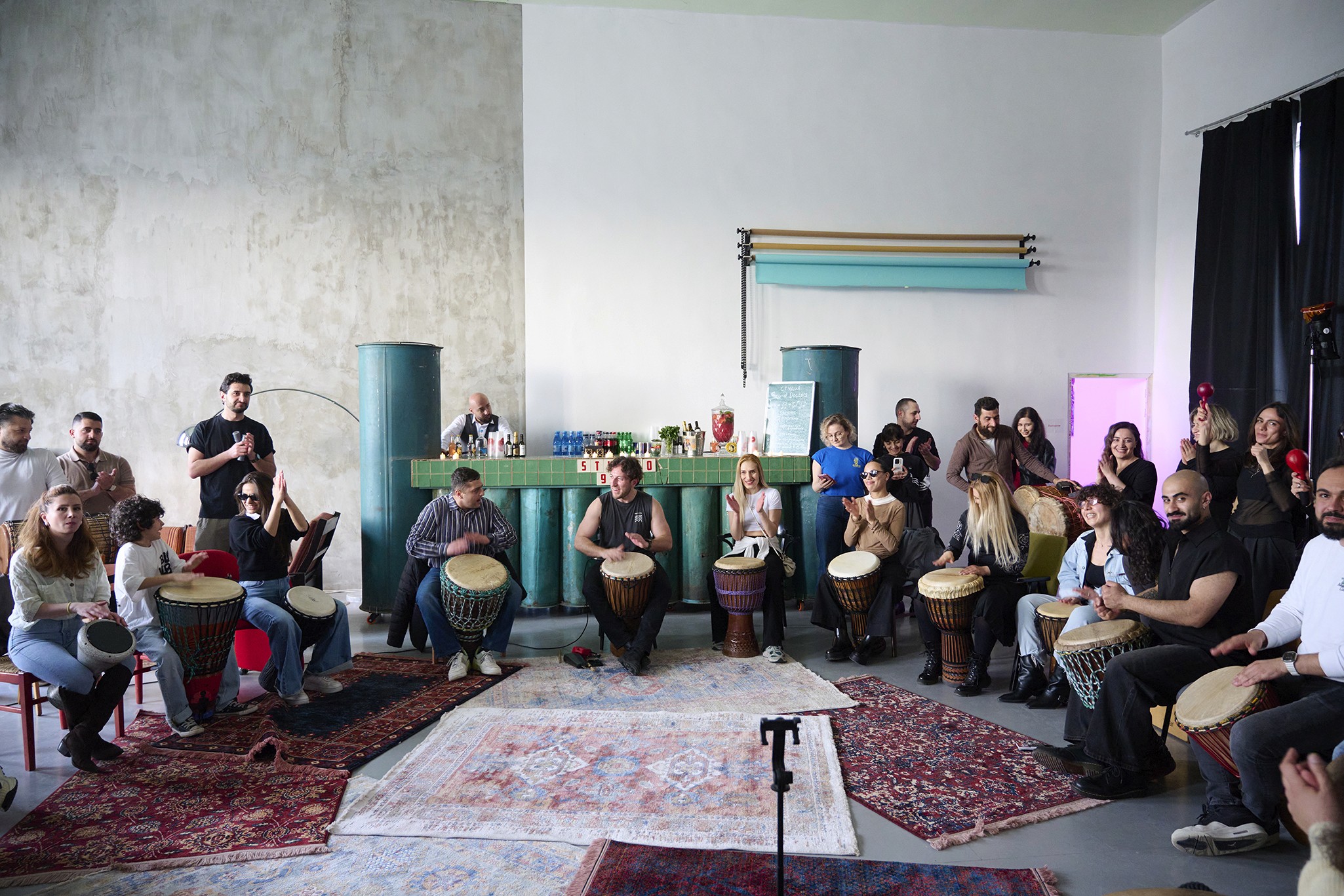
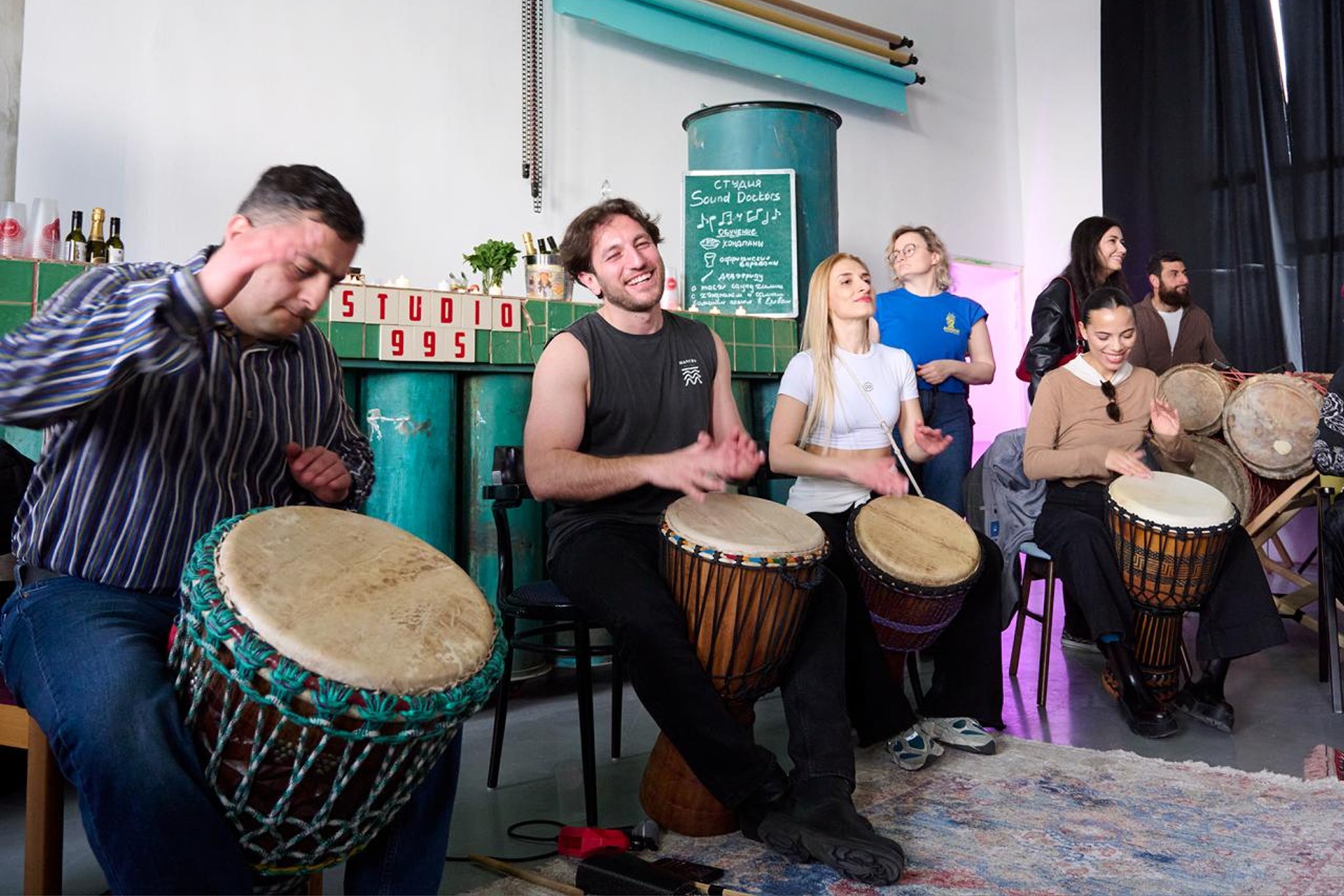
At the beginning, it's messy. Everyone's a little awkward, trying to find the beat, missing it. But after 30 or 40 minutes, the whole group starts locking in together.
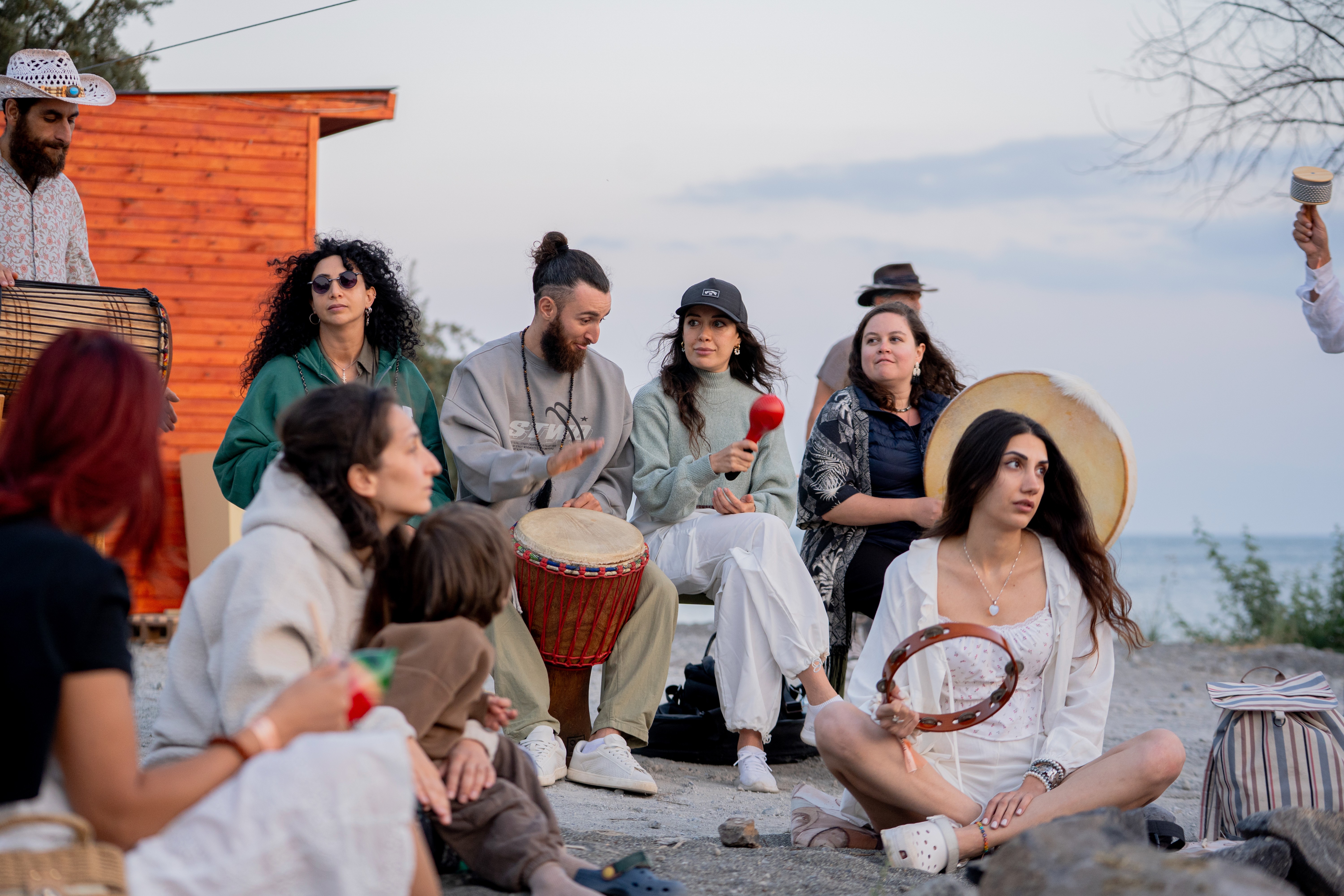
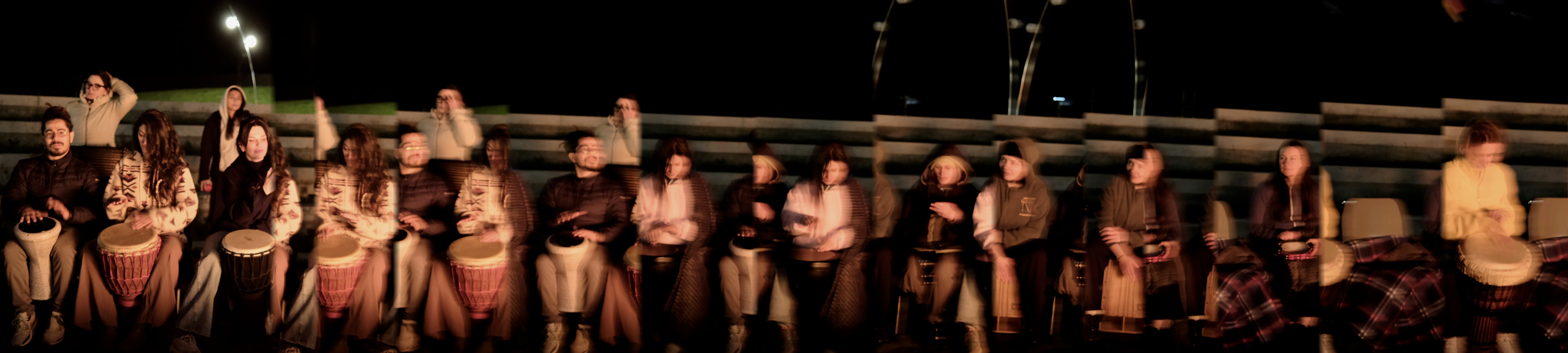
It's this physics thing called entrainment. Separate rhythms slowly syncing up. Like pendulums swinging together. Suddenly, the circle has one heartbeat.
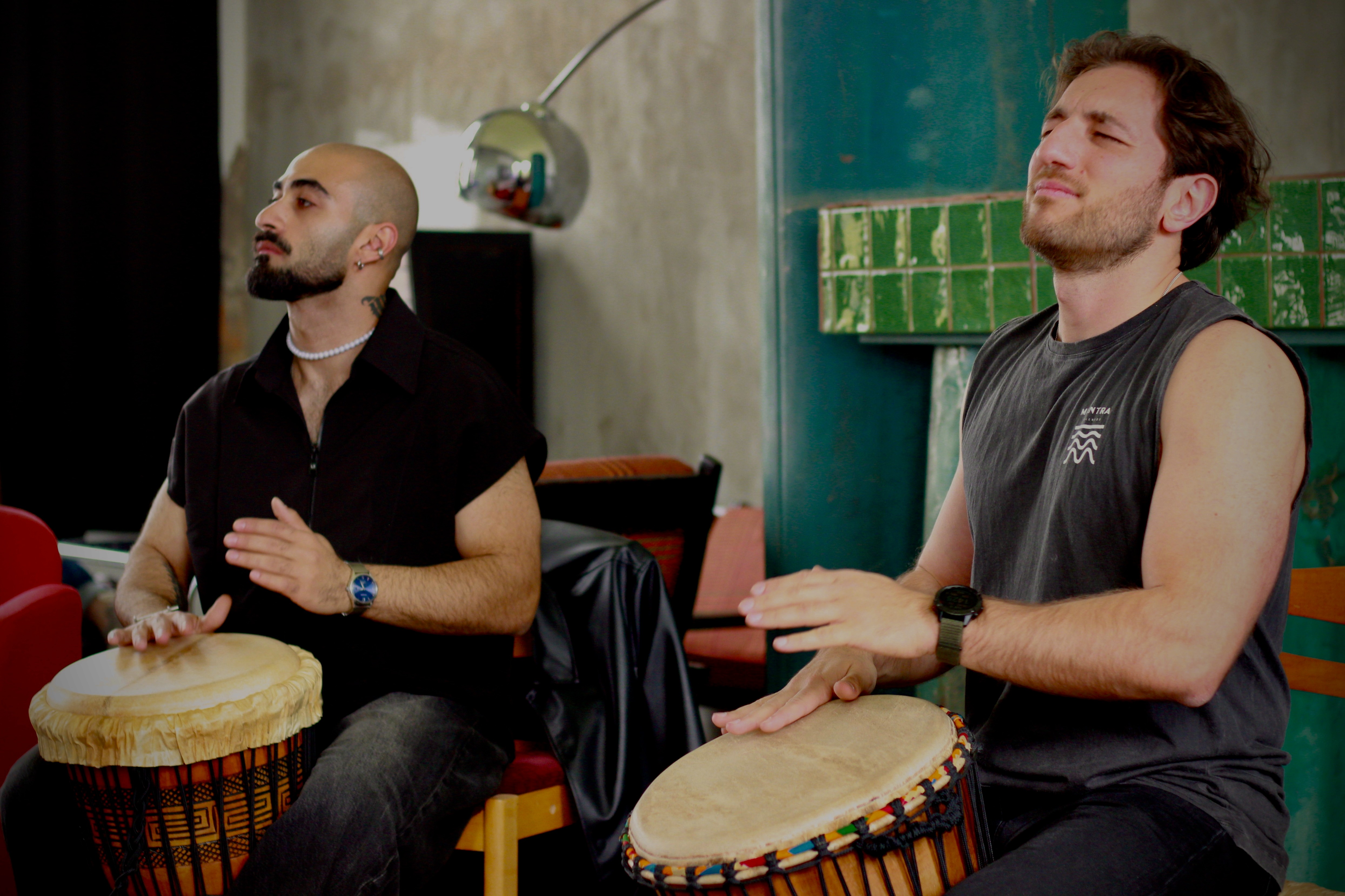
And when that happens, wandering becomes harder to miss. If your attention drifts far enough to affect your listening or timing, the rhythm gives you immediate feedback. You feel yourself falling out of the rhythm. So you come back. You listen. You adjust.
It’s harder to stay disconnected without noticing it. You can look focused in other activities, you can even convince yourself you're "in the zone," but here the feedback is direct. It gives you very direct feedback on whether you’re actually listening.
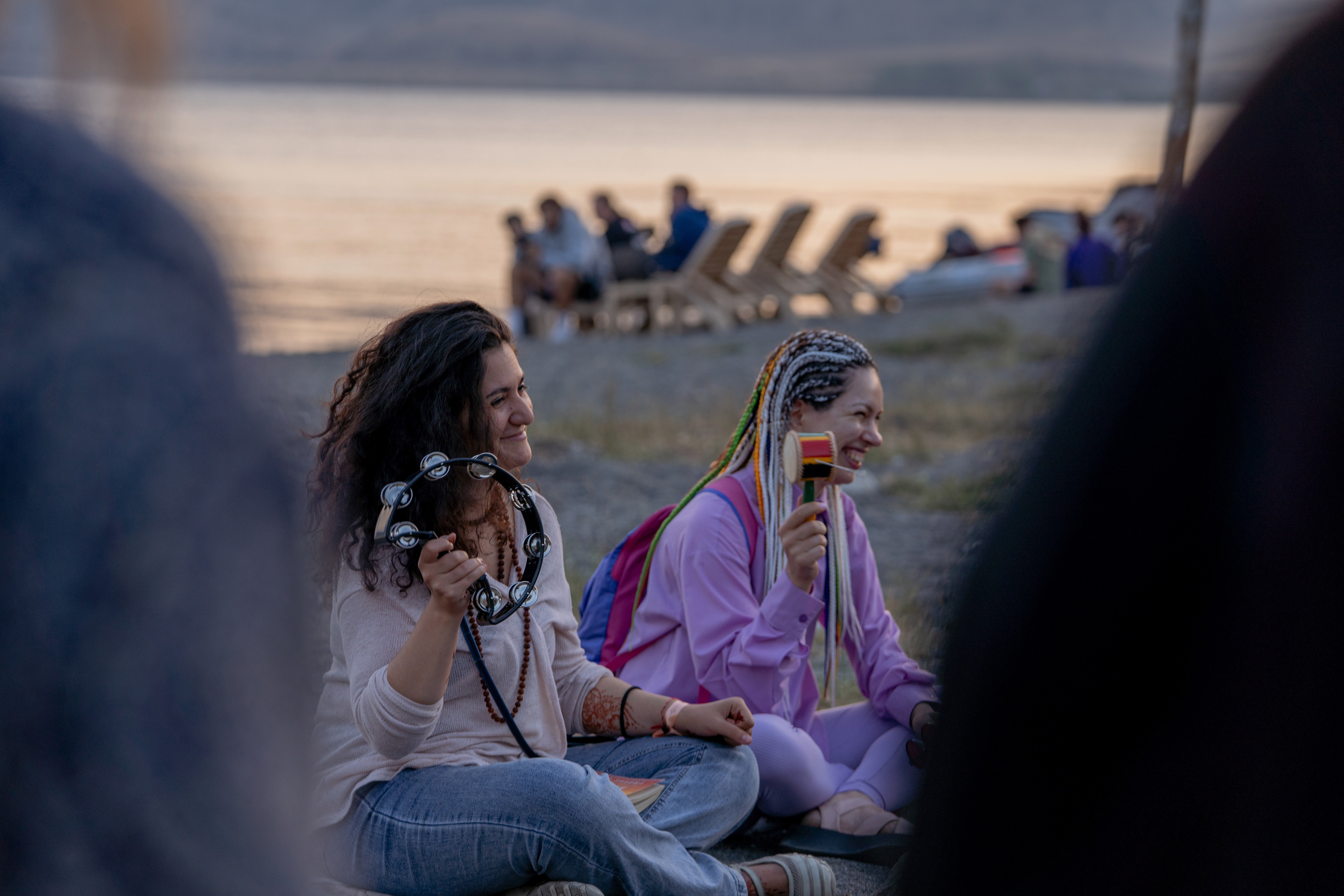
Plus, there’s very little pressure to perform. You don't need to be a musician. You don't need to talk. You don't need to understand anything conceptually. You just sit there, listen, and play at whatever level you can. That’s not that common. Most spaces come with some kind of pressure to be interesting, to say something smart, to present yourself a certain way. In the circle, none of that really matters. The only thing that matters is whether you're listening and responding.
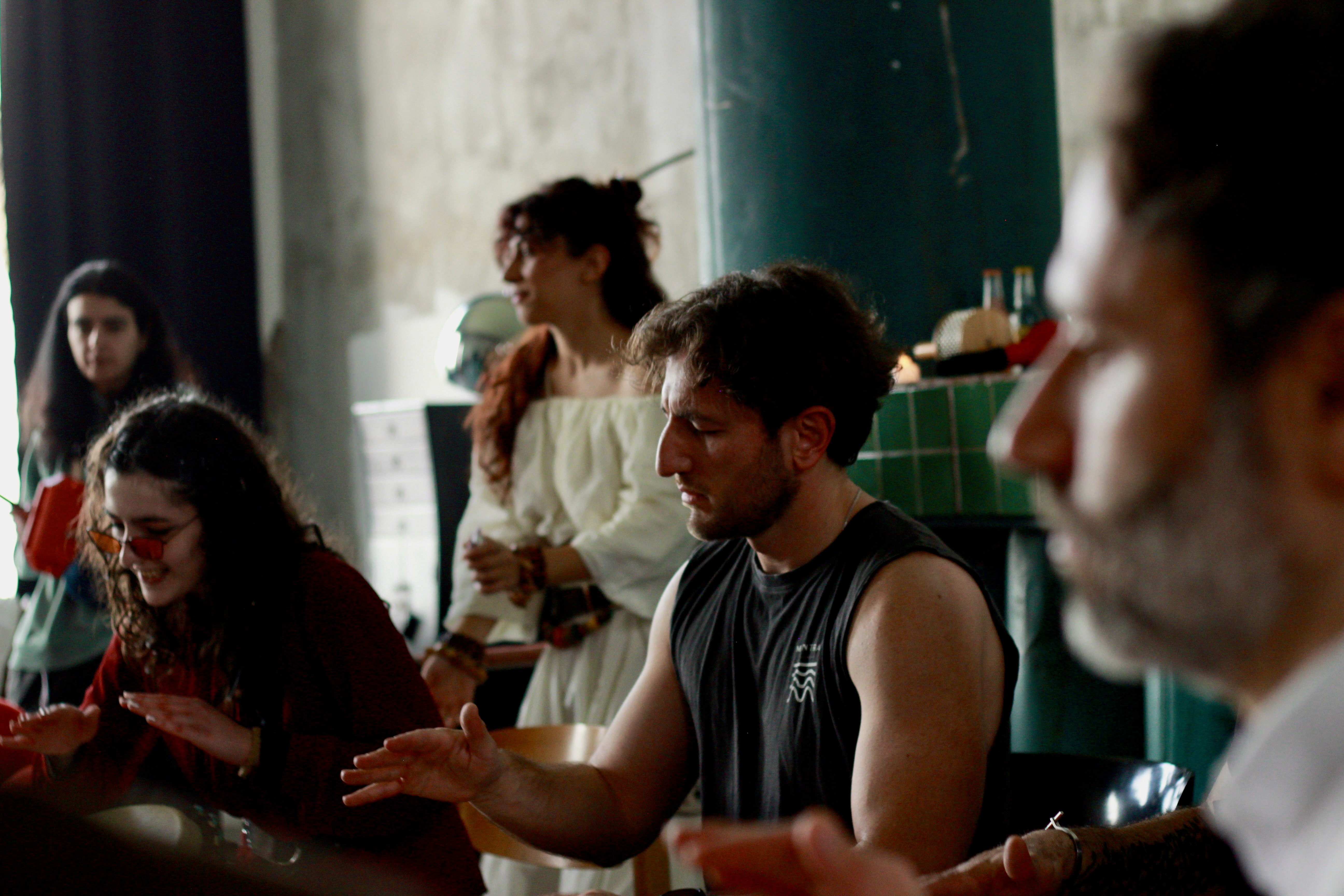
In that circle, the usual masks loosen. The overthinker, the performer, the quiet one, the one always trying to impress. It all softens.
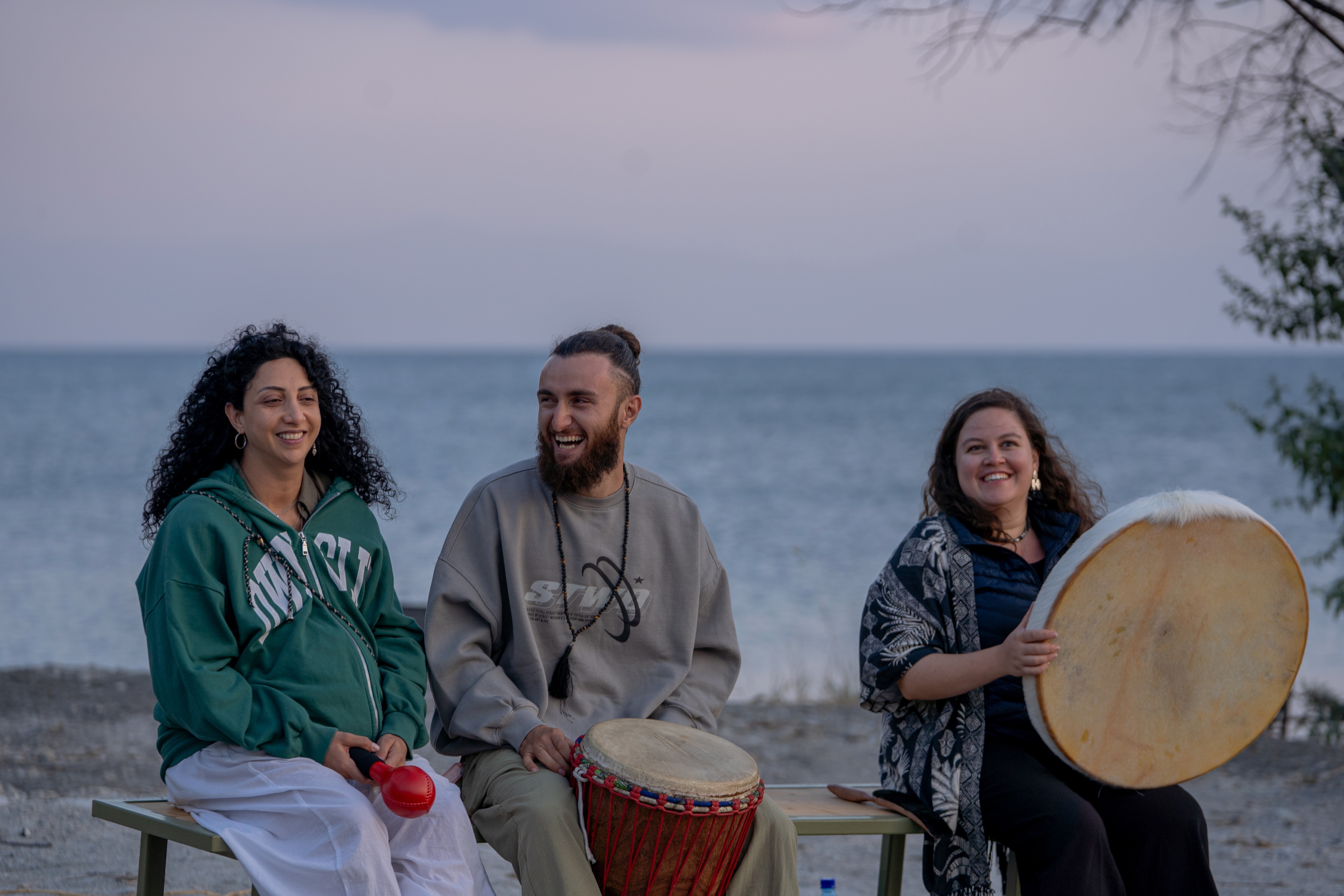
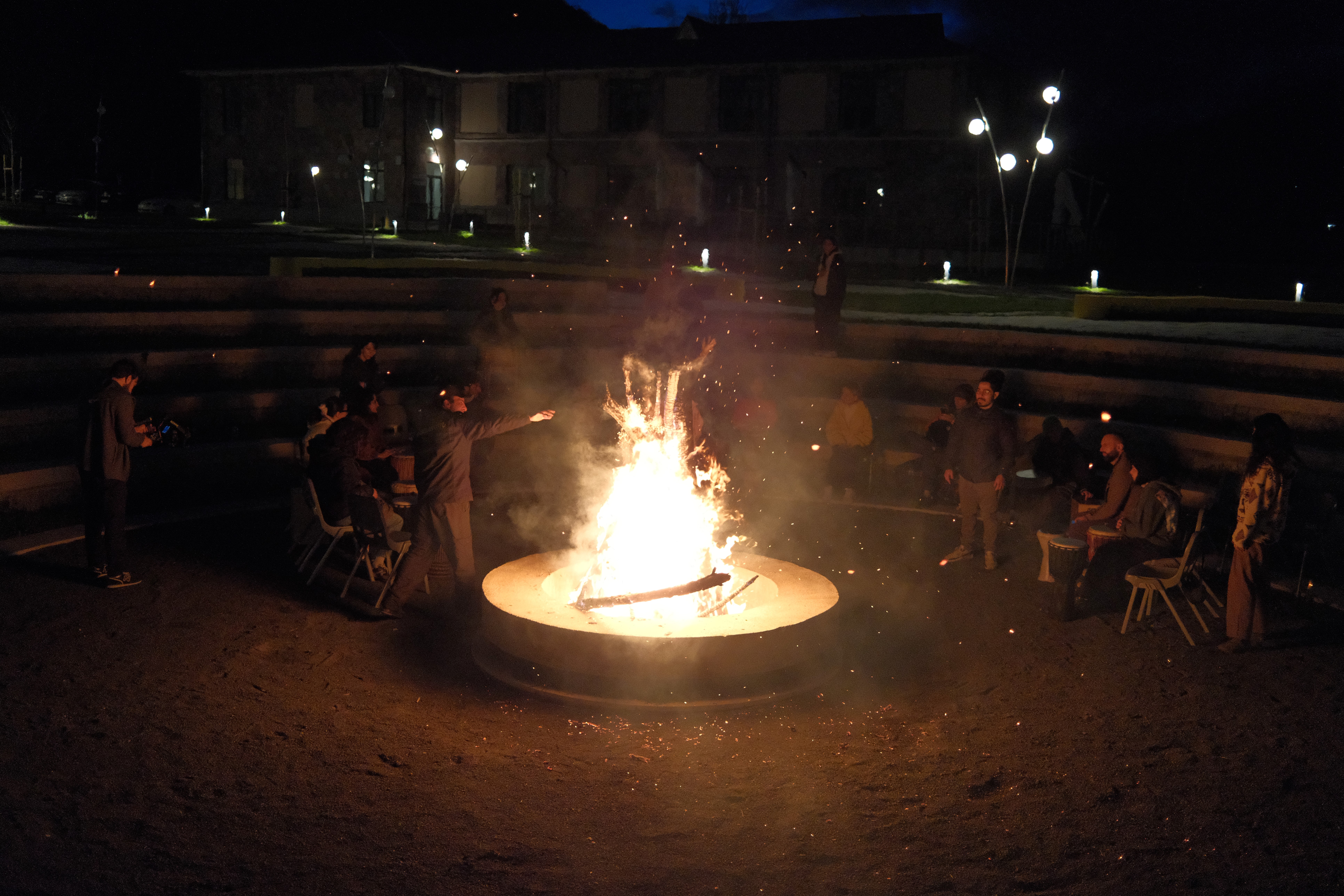
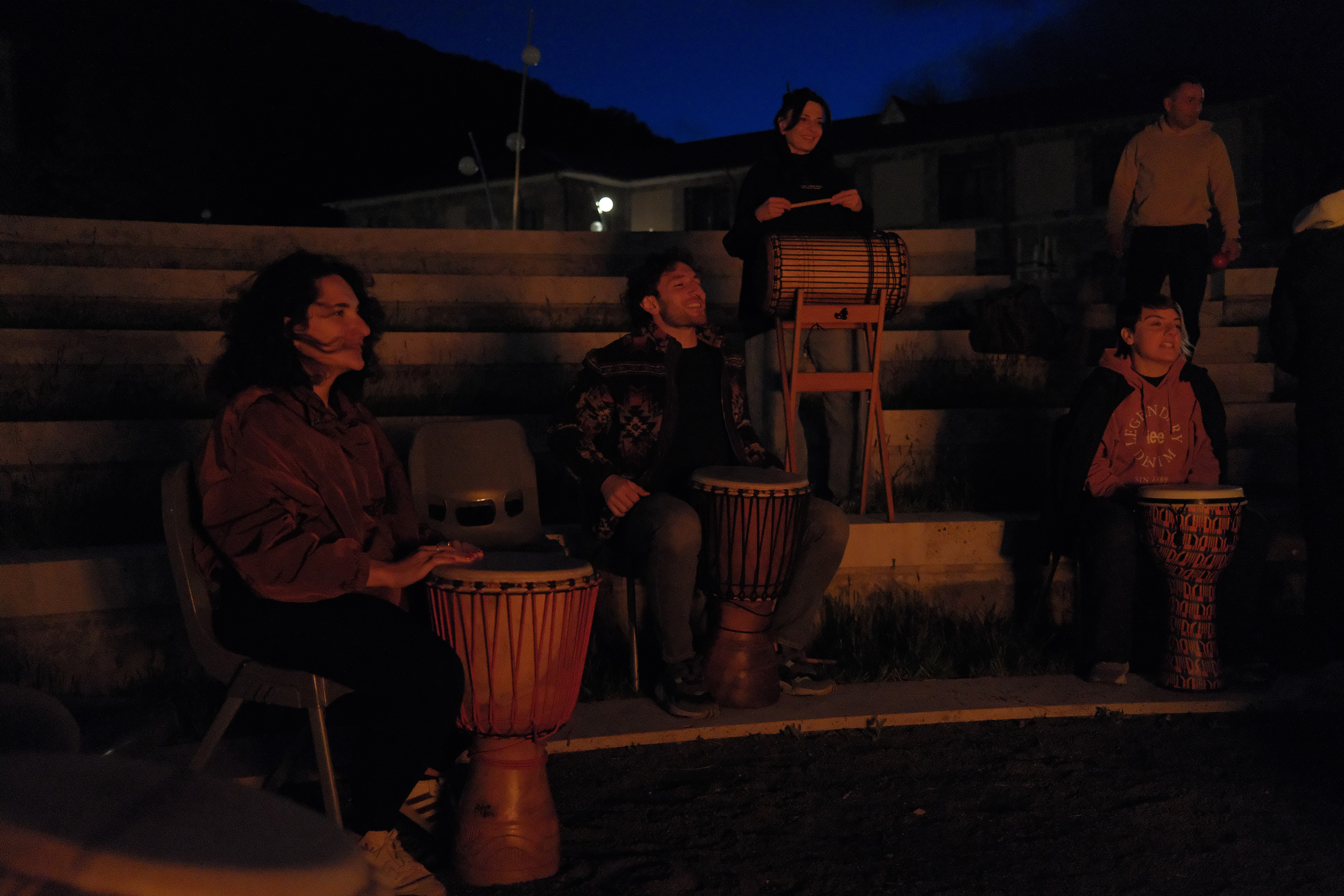
There’s something ancient and deeply human about it. For a little while, a random group of strangers in Yerevan turns into something that feels like a temporary village.
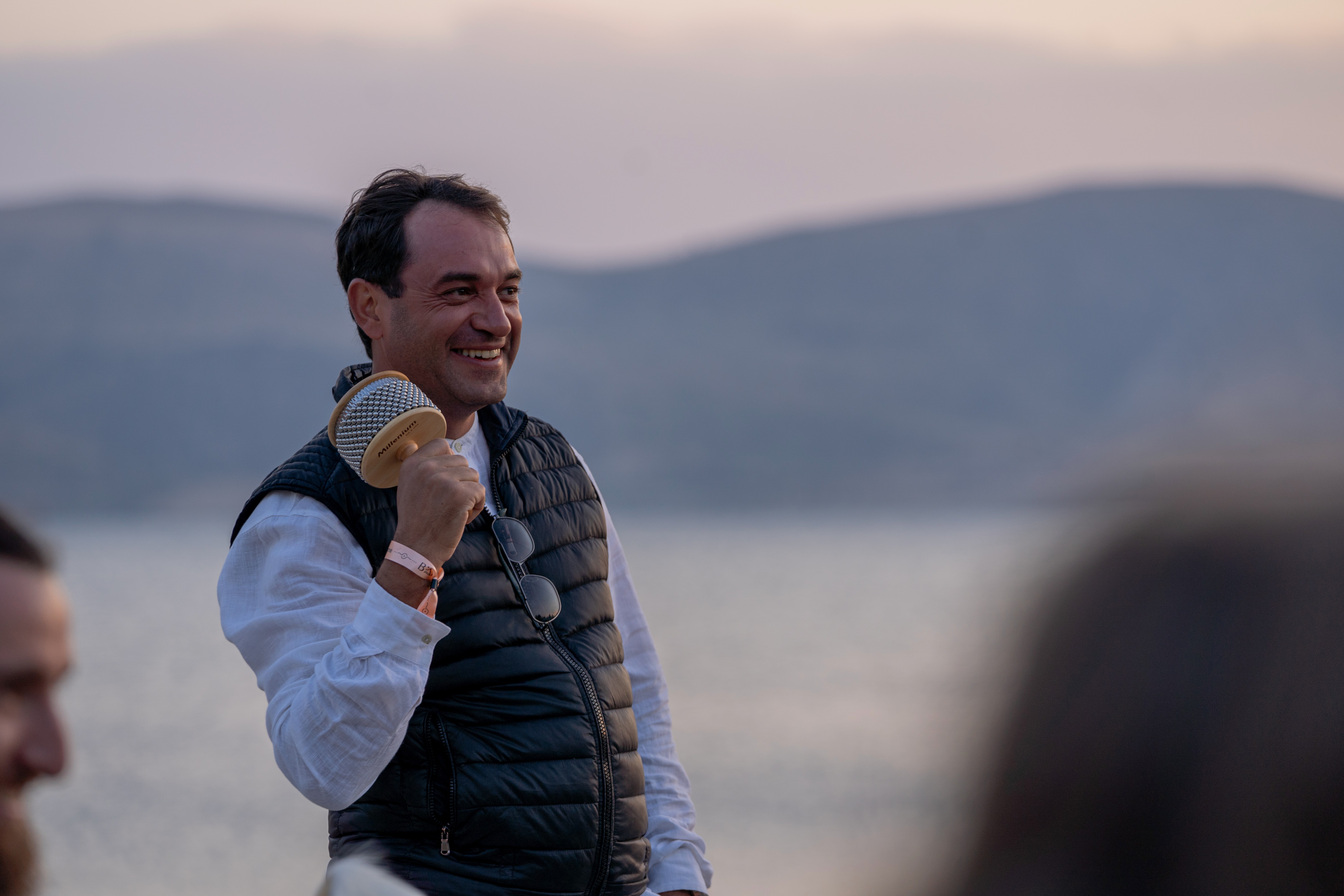
I experienced this many times back in California with my friends. Even though none of us were musicians, a lot of our get-togethers would revolve around playing music together. Most of us had a bunch of musical instruments lying around our houses, so whenever we visited each other, we would just end up playing. Simple stuff. Nothing that would impress anyone listening. But for us, it was meditative.
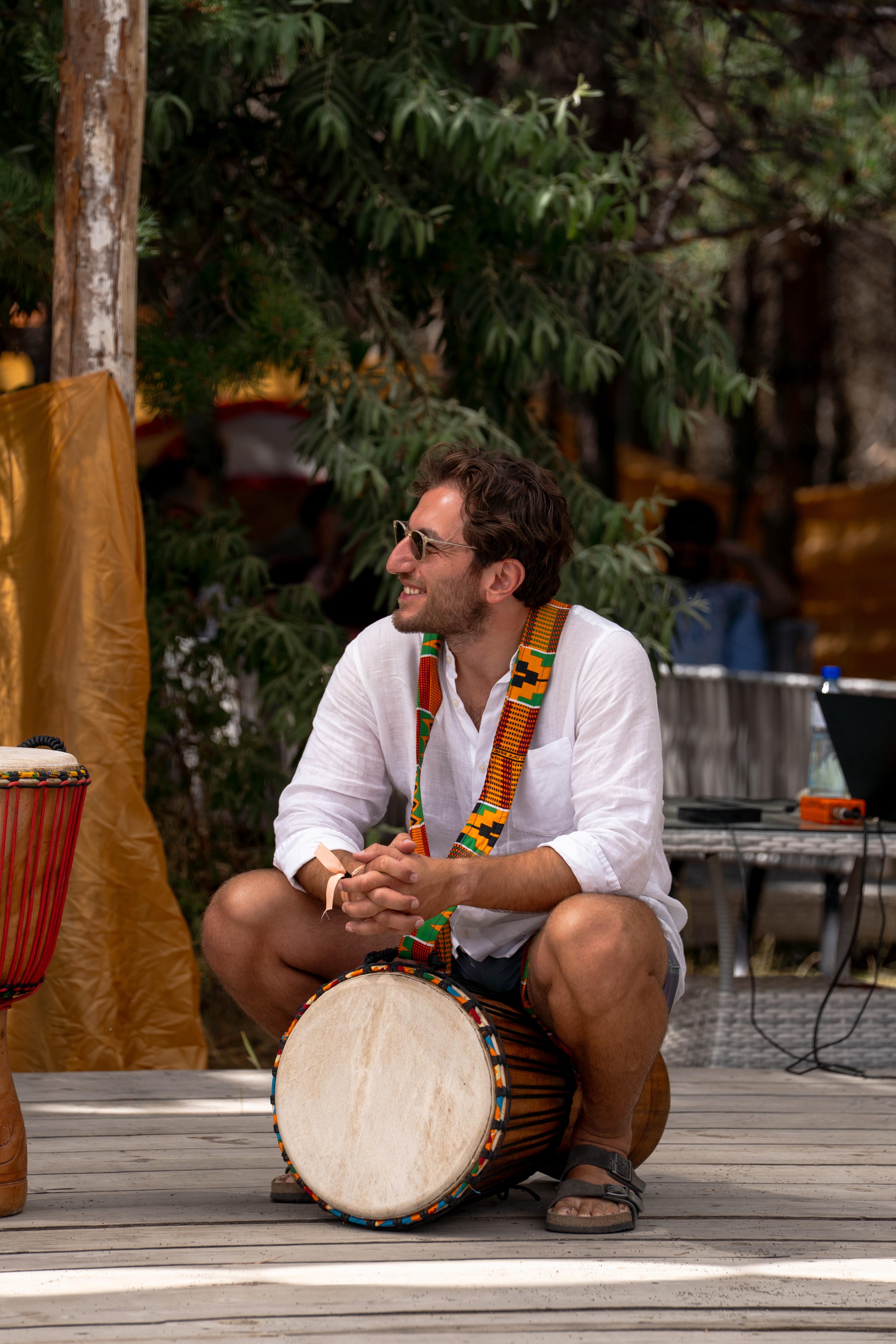
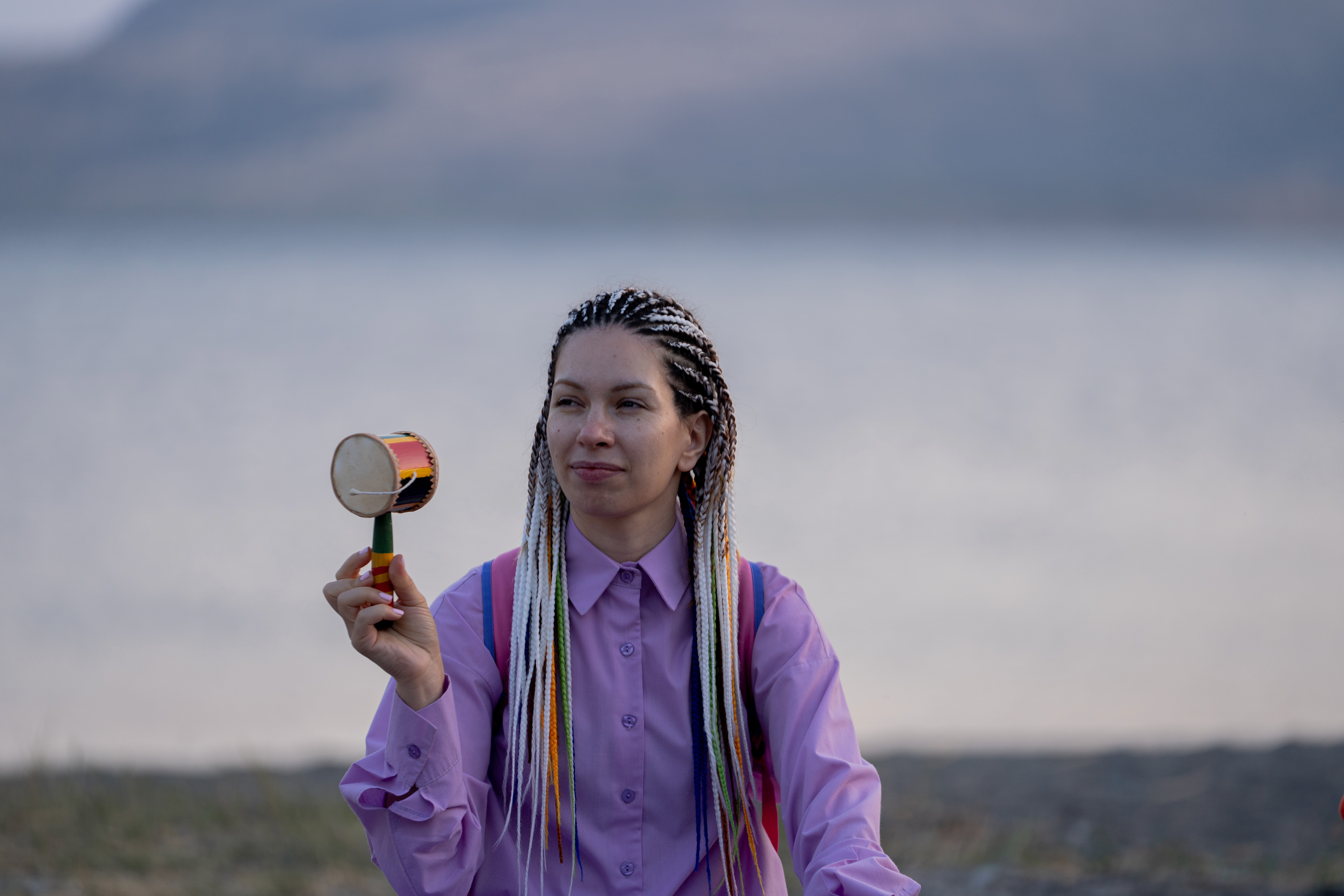
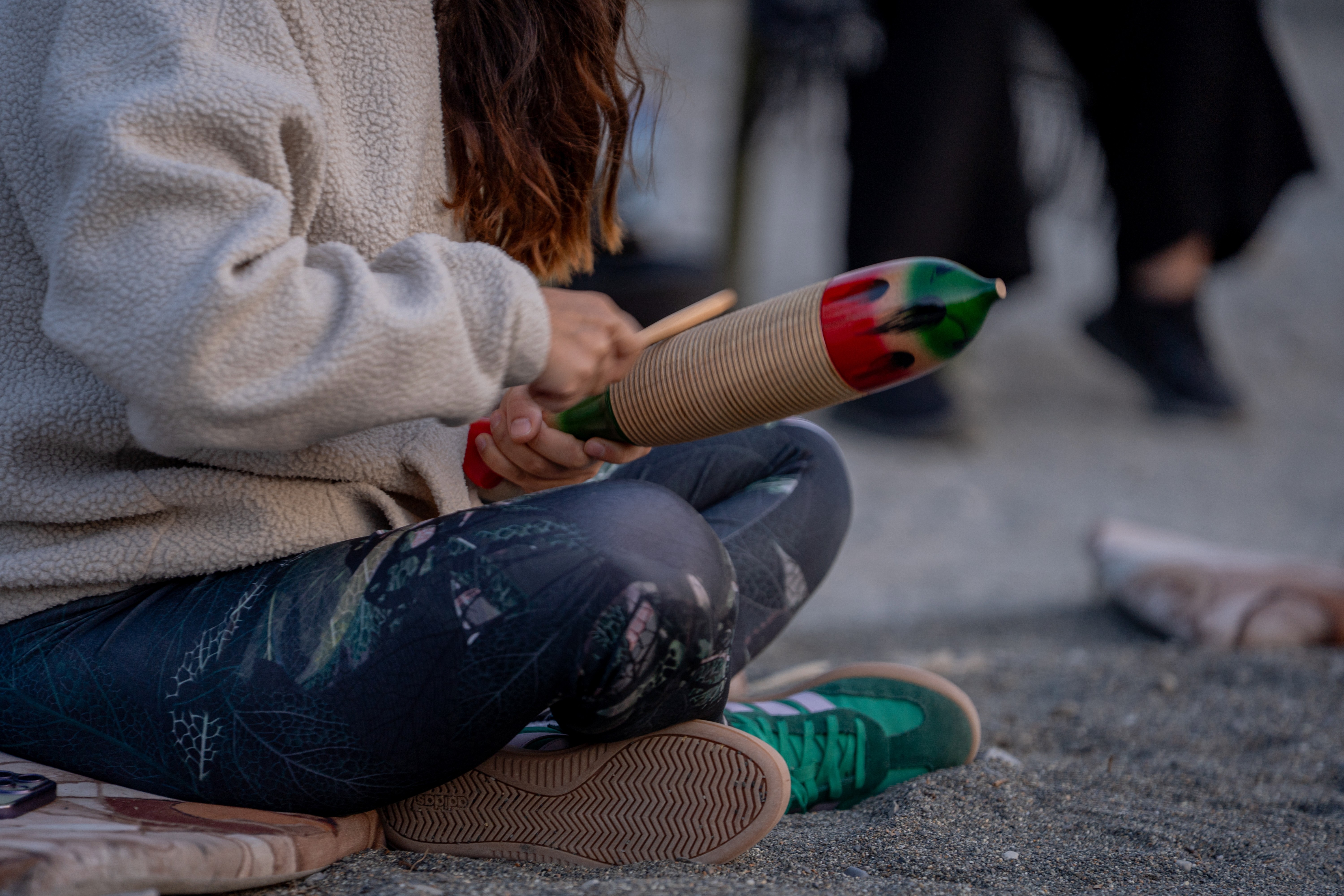
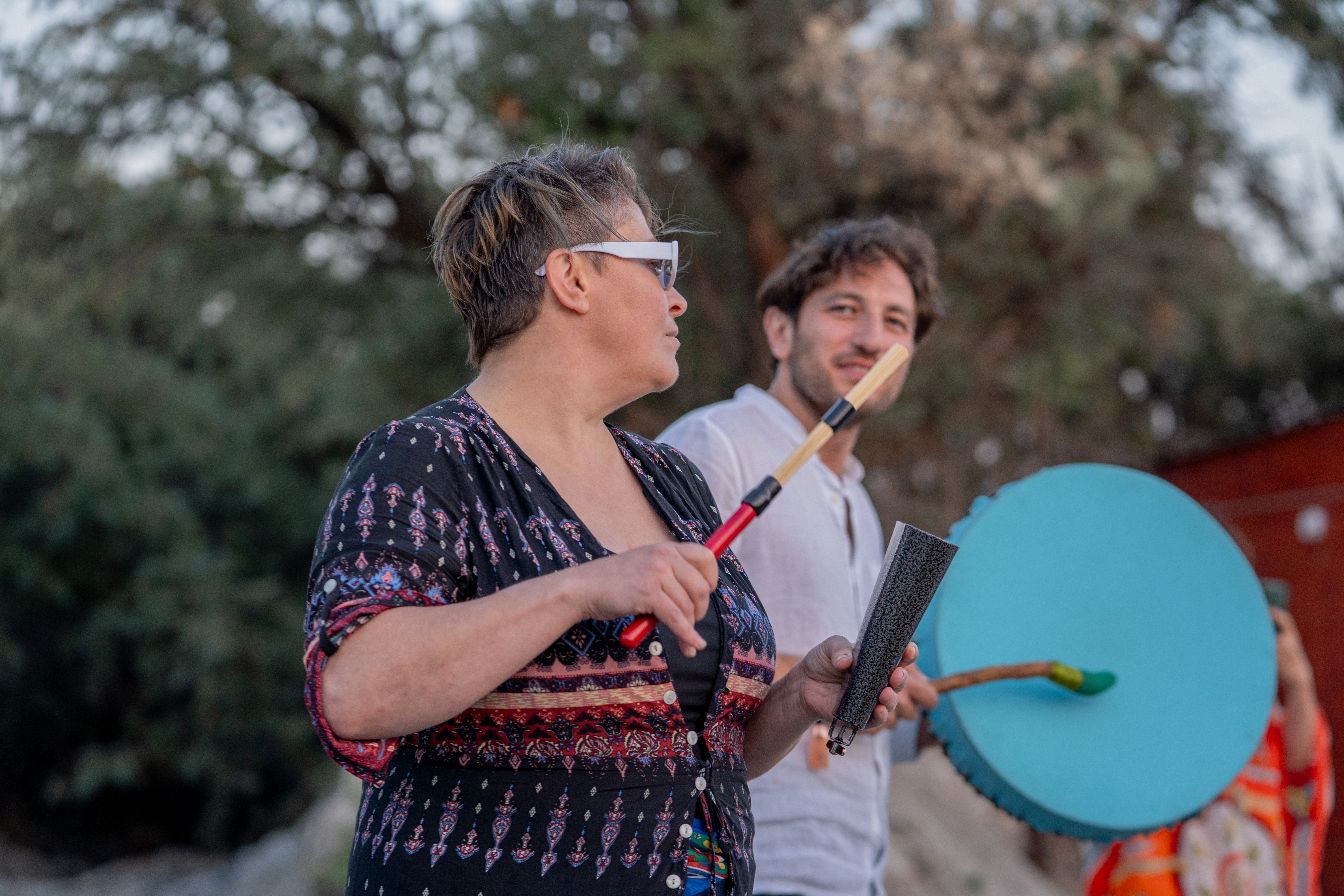
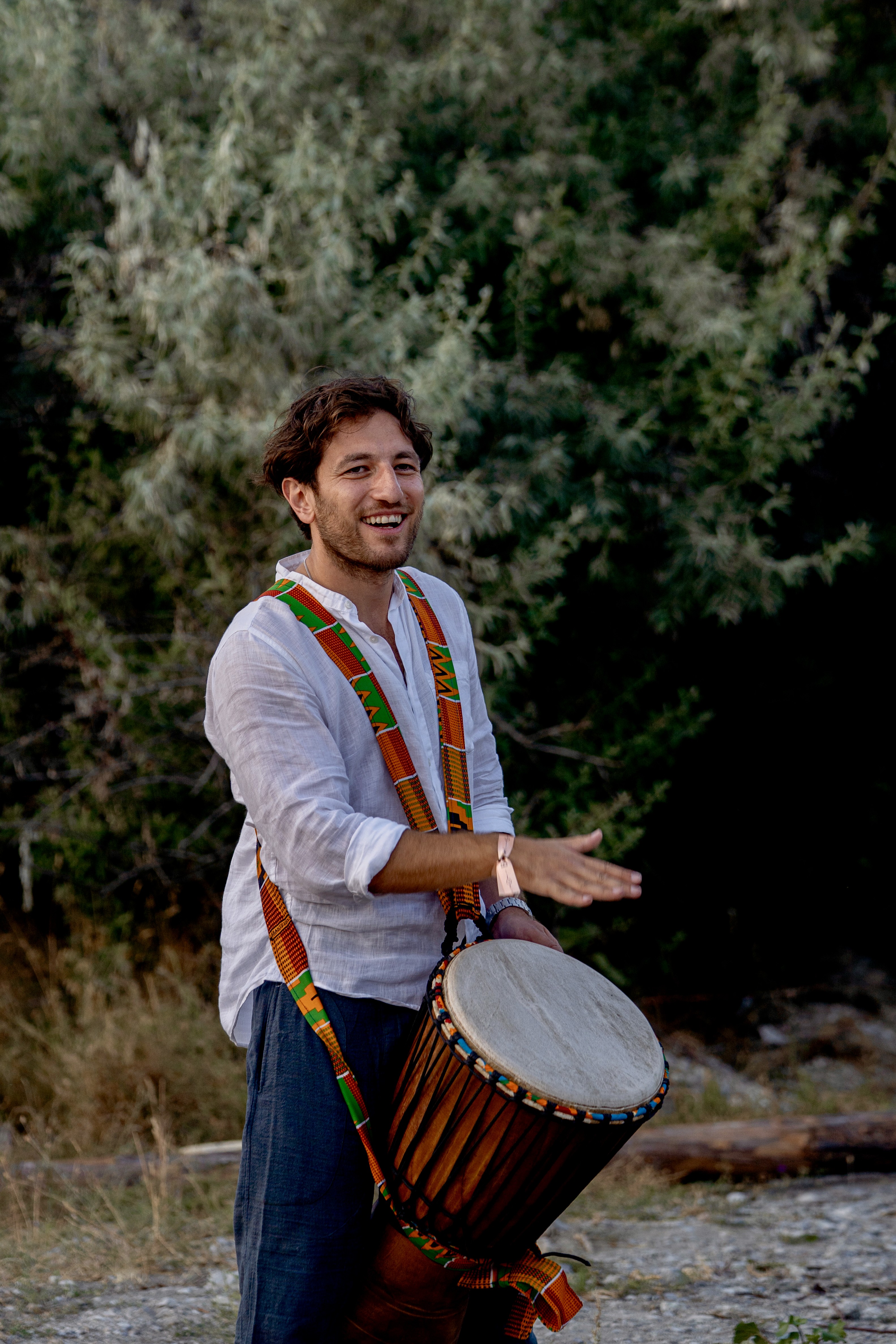
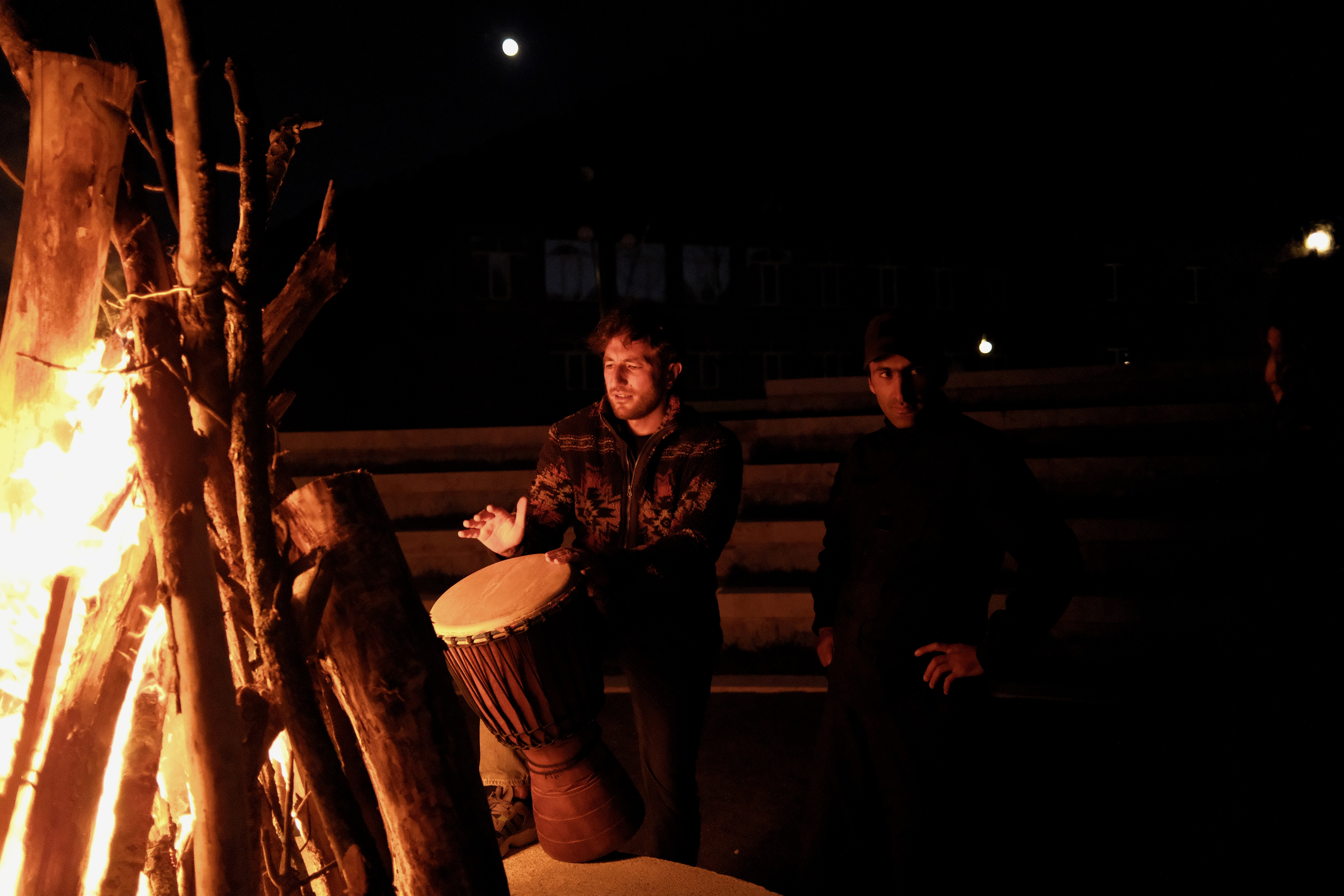
When I moved back to Armenia, I wanted that feeling to keep going. For non-musicians like us, percussion instruments are by far the most accessible way to play and connect without any pressure, so I started buying a bunch of them, one by one, and inviting people over. And that slowly turned into what we now call Hamahoonch.
A space where people can drop into something raw through rhythm, without going through all the usual filters. In a city where a lot of interaction tends to happen in the head, with a subtle pressure to be a certain way, this is a different way in.
The drums eventually stop. People start talking, laughing, and leaving.
Something subtle lingers. For a bit, it feels like you were actually there.
Follow Hamahoonch and join Drum Circles: https://www.instagram.com/hamahoonch