Birth & Body
Birth & Body
Birth & Body

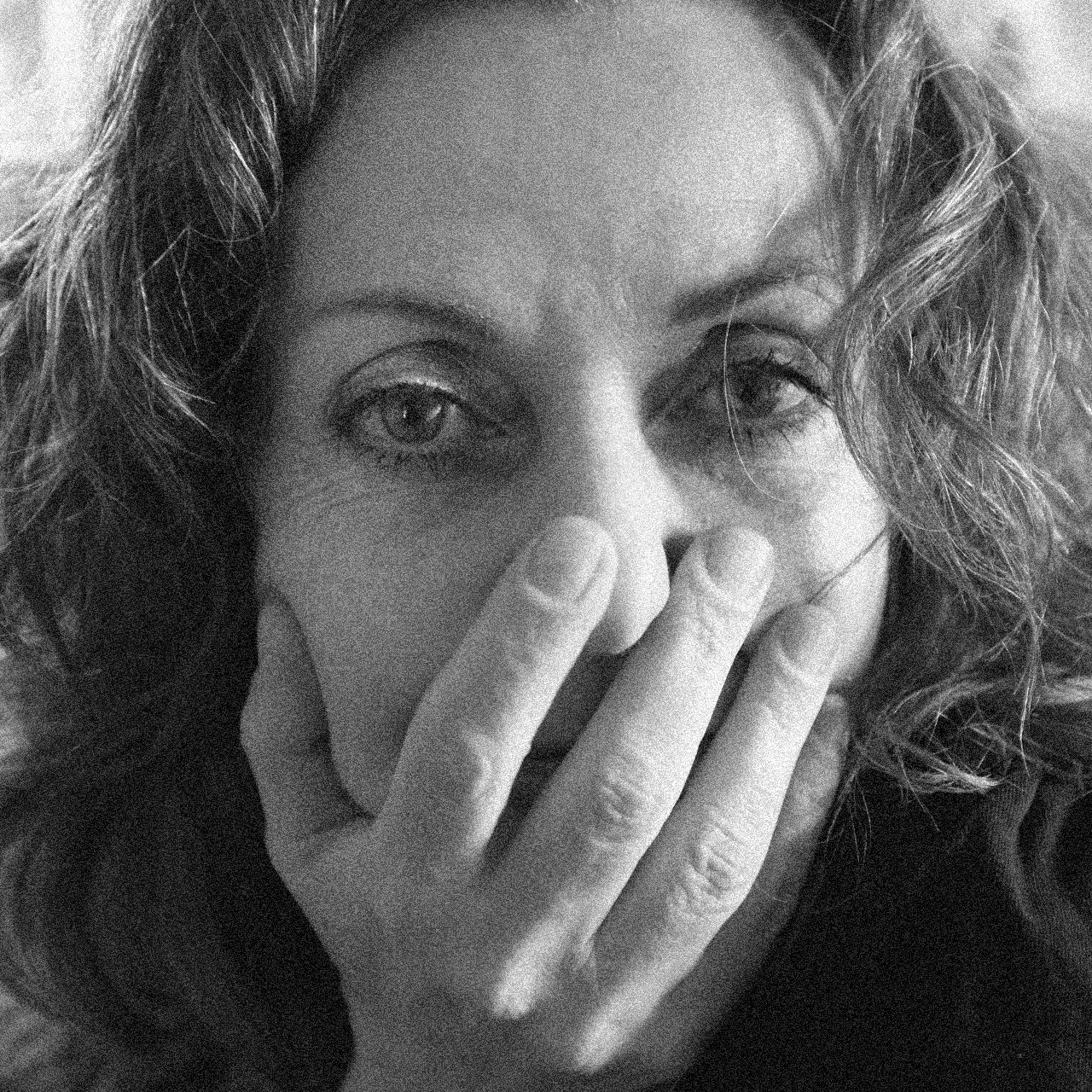
"...Knowing that all over the world, women are awakening and taking radical responsibility for their reproduction and reconnecting with Mother Nature, creating communities online and offline, makes me feel less alone and connected."
For most of my conscious life, I considered myself a radical feminist and positioned myself as such in social activism, viewing the patriarchy and capitalism as the greatest evils. I never thought about having children, criticizing women who bring new lives into this “cruel world,” seemingly driven by “self-ishness”—as if orphaned children or stray dogs, who could be adopted instead, weren’t enough.
I was getting triggered by colleagues who brought their children to my workplace (if you decide to have children, you should take care of them yourself and not impose their presence on others) or by mothers whose parenting methods didn’t align with my views (I used to adhere to “gentle parenting” methods).
With the myth of overpopulation and the climate crisis on my mind, I used to tell myself that I had too much work to do to improve this world, and having children seemed like a waste of my time and energy, holding me back from my potential. I thought that if my maternal instinct ever kicks in, I could always adopt a puppy instead. As an animal lover who has spent much of my life rescuing and bringing street animals into my home, I didn’t see much of a difference between the two.
Fast forward through several abortions, journeys across half the world, and a relentless climb up the career ladder — my maternal instinct never kicked in, but I found myself pregnant again at 30, and it felt like now or never; I was still operating under the belief that my biological clock was ticking and time was running out. I knew I was ready to experience motherhood, and I thought I was prepared for it. First, I quit my 9-5 job, started exploring the concept of physiological birth, thanks to a friend who has already done it twice successfully (I was already quite advanced in traditional modalities of healing, such as herbalism and “alternative” medicine, which I learnt from my mother, who never went to doctors). Then, after my daughter’s birth, I moved from the city to an Amazigh(Berber) village in the High Atlas Mountains, where my then partner was from, and began exploring the lifestyle of the local people, witnessing sacred rites of passage such as weddings and funerals being honored and practiced despite colonization. I was fascinated by it all and felt loved, supported, and accepted in this community for the first time in my life. Only later did I discover that the Amazigh people had been a matriarchal society in the recent past, and everything made sense.
Contemporary feminisms, under the influence of transhumanist ideas, view nature as an unjust system that must be changed so that women can have the “privileges” of men, which continuously distracts us from the importance of recognizing the biological factor.
The main narratives of liberal feminism are the rights of LGBTQ+ communities, the fight against racism, white supremacy, toxic masculinity without praising positive masculinity, the importance of self-care with-out addressing community care, and, of course, the liberation of women from patriarchal systems, includ-ing the "slavery" of marriage/sacred union, pregnancy, childbirth, breastfeeding and child-rearing, and as a mother I felt constantly excluded from the feminist discourse, basically politically homeless. I have been unable to identify with any political movement, whether left or right, because neither of these ideologies considers supporting mothers as essential.
While working on the topic of motherhood in art, I re-searched the representation of mothers in arts around the world and in post soviet space in particular, and found that most female artists disappear from the scene after becoming mothers, and the few artist mothers who manage to continue their practice do not depict their journey of motherhood in their artworks despite considering themselves feminists, devaluing their experience as mothers, believing that it is not THAT important or interesting.
Basically, the topic of motherhood has always been omitted or underrepresented in the arts, with the only visual representation being Mother Mary breastfeeding baby Jesus in a bliss that is far from the reality of mothering without a village. It was a mind-blowing realization for me: the mother is the portal between the unseen and the seen. Every soul that has ever walked this earth came through her. And yet, she is the most neglected. Motherhood is the last frontier of feminism due to internalised misogyny of women deliberately silencing themselves, thus doing a disservice to the future generations, because if we do not represent our identity and struggles (we were never meant to do this alone: 95% of human history mothers had a support-ive community to rely on during early motherhood), nobody can do it for us because as an african proverb goes “when mothers speak, gods listen.”
Since I started my curatorial practice in 2015 I was the only one taking my daughter to art events and con-ferences with me, as being a single mother without support I did not have an alternative, and, of course, I had to miss many opportunities because I was not accepted since children were not welcomed, which meant that even though theoretically they did not ex-clude a large group of people(mothers), they did not create a safe space for them to be represented.
Mothers of dependent children all over the world face inequitable hurdles to be present in spaces where it matters the most because of pregnancy, breastfeeding, and responsibilities related to caretaking. It’s a serious problem because it creates a culture of inequity, with mothers generally experiencing greater disadvantages than other groups of women because of biological, prejudicial, and often socially driven care demands. Women do most of the unpaid carework around the world. With solutions seemingly elusive, many women make a calculated decision to forego attendance and suffer the consequences of being “invisible”.
I have not always been connected to my body and didn’t know how to feel my emotions like most people nowadays, because our personal and collective unhealed traumas create numbness within us, and many adults suppress their feelings with various addictions and medication. I believe that it is required to come into one’s body, into one’s feelings and emotions, to become an initiated adult.
Acquiring a female friend, who had birthed both her babies outside of the system, was the catalyst for me: I realized it is possible to give birth without going to the hospital, and that until recently, all women gave birth at home on their own terms, and that if my friend could do that, so could I. I was mind-blown, and being the curious cat that I am, wanting the best for my future baby, I started researching.
I discovered it all started in 17th-century France, where hospitals by the catholic church started accepting homeless courtisans to give birth under their roofs, and the foolish French king who had his wive birth-ing in a horizontal position, which is rarely the optimal position to give birth, while throughout the human history, women gave birth in their homes, supported by midwives and family. Birth was seen as a natural, communal experience — not a medical event. This remained the norm worldwide until the 20th century, when birth was pathologized by the medical industry, and women lost their agency over their bodies during this sacred rite of passage to motherhood.
It was only after my daughter’s birth that I slowly started listening to my body cues and responding to them accordingly (feeding myself when hungry, taking a nap when tired, etc) because I wanted to be the best mother for my child, just like everyone else. I realized that when we are not in connection with our bodies and feelings, we do not truly honor ourselves, so we can not honor others or serve our greater good and humanity. I started paying attention to my feelings: being aware of them, accepting them, fully feeling and integrating them, coming into a wholeness, which to me is the path of humaning.
As women, we are meant to pass through stages: from maiden to mother and then to crone, but most of us are stuck in a loop of insecure teenage girlhood. We are starving for rituals, for elders, for the village that should have caught us when we first bled. For me, everything starts from birth.
The women who take full responsibility for their reproduction carry a power to transform the world faster than anyone else because they are the conscious mothers of our communities. I believe if birth is honored in our culture, and mothers are allowed to make informed decisions concerning their birth choices and provided with the support and care that is needed in the postpartum period for them to recover and form a secure attachment with their babies, humanity would change for the better drastically after only one generation.
Children are not scared when they witness an undisturbed birth at home; it’s been a normal and natural occurrence in a family throughout history, before it was hijacked by the medical industry. My daughter was 6 years old when she witnessed the birth of her brother, and she was just disappointed it all happened too fast. When my third child was born, my two older kids, 11 and 4, were filming, excited and cheering. I am so glad I got the documentation of my third child’s birth, even though it’s a bit shaky and blurry.
Patologization and medicalization of birth deprive women of the agency to give birth on their own terms, leaving them traumatized and disconnected from their own bodies and their babies, unable to meet their two basic biological needs adequately: the need for love and for self-authenticity(self-expression). Most mothers, for the past few generations traumatized by birth, attack life in their children by domination dressed as care. They withhold their love to make the child obedient, compromising their basic need for self-identity. They shame tears, punish play, mock ambition, and police their bodies, which results in codependency and various addictions.
As a result, newborn babies choose to be loved, and their need for self-authenticity is compromised, leading to adults who do not know who they are or what they want in this life. This is how we ended up with the world we live in: 95% of adults are traumatized at birth and in early childhood, a trauma that can not be healed through the glorified therapy, and unless we heal ourselves and our communities, we are going to continue this vicious circle of intergenerational trauma that is being manifested all around the world through wars and pass it on to the next generation.
When I became a mother for the first time 12 years ago, I was overwhelmed, anxious, and depleted. I asked for help…and was met with love, but also limitation. Everyone was struggling in their own way. I felt like even more of a failure, unable to create the village and supportive relationships I knew I needed.
The truth is, our culture isn’t built for thriving life and true support. So by the time I was pregnant with my second child and coronka hit, I stopped waiting—and started creating systems and rhythms that nourish me. Today, I am a mother of three amazing humans, and I’m still holding out hope for the “village” without romanticizing the past.
I’ve stopped shaming my longing to be nurtured. Pro-tected. Held by a man and rooted in a community. Because money and status will never replace what genuine connection and care can offer. The unassisted free births of my sons were the liberation of my body, the initiation into adulthood I didn’t know I needed. I birthed my sons at home, as I had planned, without any intervention. It is impossible to put into words the strength and joy I felt from those unforgettable experiences. I am the owner of my body, I can create and raise a human being in my womb for nine months, give birth to a new human independently, and feed him exclusively with the milk produced by my body for the first six months and several years afterwards which is important not only for creating secure attachment but also, for example, when the child is sick and refuses to eat anything else.
In addition, I can break the vicious circle of intergenerational trauma and not pass it on to my children, thus changing the future by raising healthy individuals who will continue my legacy and carry on my struggle. I am a superhuman! When women give birth in power, they not only heal themselves but also heal their whole lineage, and I believe, if I could do this, anyone else can.
Birth outside the medical system is illegal in Armenia, leaving women with no choice but to go to the hospital, where obstetric violence is normalized and the c-section rates are skyrocketing. Mothers, while being severely traumatized during hospital birth, are celebrated for bringing to life boys, as they would grow up to serve and protect the Motherland, thus diminishing the worth of women as mere incubators that produce future soldiers.
I only know one woman who dared to give birth at home in Armenia, and she was obliged to be hospitalized even though she and her newborn baby had no complications and needed no medical assistance, only for the sake of following the law to register the baby. When my first son was born during the coronavirus craze, it was relatively easy to avoid hospitalization because I could blame it on fear of being exposed to the virus. We still had to call an ambulance so they could register the fact that I gave birth to a living child. I stayed home with my newborn, bonding, breastfeeding and resting undisturbed for three days. When I did go to register the baby at the hospital they had no idea what to do with me as I refused to be hospitalized, so they just kept me in the reception area full of sick people with my newborn for long stressful hours, until the Human Defenders’ office advised that it’s the local polyclinic that was supposed to register my newborn. The doctors at the policlinique were shocked and in disbelief when we showed up there with my placenta in a freezer bag. They said they haven’t heard of a homebirth for over 50 years of their practice. We then had the pediatrician visit us at home to check the baby, and she was shocked to see a healthy baby born without medical assistance.
Things got more complicated and stressful for me when my second son was born: I didn’t know they had changed the law, which says that all births outside hospitals must be registered through court or a 500$ worth DNA test to prove motherhood, which can only be done in Yerevan. I called the ambulance like last time, but this time around, I wasn’t lucky. The igno-rant doctors and nurses kept pushing hospitalization, although it’s against human rights and when they finally left after I insisted that I do not require medical assistance (they checked the baby and I knew he was fine too), I had my first day with my baby sabotaged by the system: police officers, the village doctor and the mayor, followed by social workers intruding into my house and blackmailing me to go to hospital. All the authorities that I contacted agreed that this amendment to the law is unconstitutional. However, they still said it was the only way to proceed with my baby’s registration until the law is changed. After a month of consulting with different specialists and government officials, I had to take the DNA test to prove I am the mother of my baby despite being registered in the local policlinique and having undergone an ultrasound days before I gave birth. The medical staff seeing me with my newborn and checking the placenta hours after he was born.
Motherhood is sacred in the South Caucasus: the worst insult for a man worth killing for in our culture is the one directed at one’s mother, and yet motherhood is devalued and mothers here are working several shifts, doing the bulk of the unpaid care labor, all without economic or emotional support and in the absence of a supportive community.
While the nationalist propaganda encourages women to have children to achieve population growth, Armenia is one of the top three countries in the world with the highest rates of selective abortion.
There is a lack of education for women about their bodies, menstrual cycle, and birth, and an absence of alternatives to hospital birth in Armenia makes it impossible for women to even think about a natural, physiological birth. In our culture, birth is portrayed as a very painful, risky, traumatic event that distorts your body.
A good mother in our society is the one who sacrifices her own needs for the sake of her children, who never complains or goes against societal norms. Ending the myth of maternal martyrdom could have a transformative effect both for our societies, as an independent, fulfilled, and powerful mother figure would become an inspiration both for her sons and her daughters, having a mitigating effect on the alienating power of patriarchy. For this to happen, the story of the mother in her own voice will have to be told and retold. We will have to break the silence and break it again as we try to become better parents for our children and better humans for ourselves and our communities.
For centuries, women gathered in circles - in songs, in prayers, in storytelling, and in celebrations of sacred passages of life and death in sisterhood. They were healing circles where every tear was welcomed, every pain witnessed, and every woman could feel part of something greater. But we drifted away from that. We are programmed to compete, to stay silent, to carry everything alone. We forgot that being together is how we thrive as humans. When women unite, something greater happens. Grief turns into water that cleanses, and life begins to flow again. I realized I do not have to go through this alone.
So I ditched the good ole activism and embraced the ancient technology of women’s circles for community healing, committed to finding peace within because I realized that when we come together with a collective intention to heal with open hearts and minds, magic happens: the pain can be shared, carried, and dissolved when one is not alone. This is the power of feminine collective rituals, and to me, it is the only way to break the vicious circle of intergenerational trauma and achieve peace in our communities.
That’s how I started hosting women’s circles, helping my sisters reclaim their power, making sure mothers of young children are included.
As long as we keep looking for cures from the ones creating the problems, we’ll keep moving further from our source, and as long as we keep looking for saviors, we’ll fall from one scam to another. Because we are the only ones we’ve been waiting for. We need to reclaim our authority and embrace radical responsibility for ourselves and our children instead of outsourcing it to the systems(medical, educational, etc) that are not meant for humans to thrive.
I started facilitating women’s circles for my friends as an alternative to baby showers, to shift the focus from the baby back onto the mother. At first, I was really anxious, unsure of what would come out of it. When we first gathered, some women said they don’t like emotions, because they see them as a sign of weakness. But it turned out many of them needed that kind of a safe space and honest conversation: women of all ages and from all walks of life opened up to each other, we cried together, shared private stories, we reconnected with ourselves and healed together. It was beautiful.
Mind you, I am not romanticizing the past, and oftentimes it looks like trying to put together a puzzle without actually seeing the whole picture, however there are still matriarchal societies existing to this day, and I draw my inspiration from the Amazigh people of the High Atlas mountains in Morocco, who preserved their matriarchal traditions despite colonizations, and where, living in a tiny berber village I felt what it means to be supported, loved and celebrated by one’s com-munity for the first time in my life.
After the births of my sons, my mission as a mentor for women to (re)connect with their bodies and to birth their babies in sovereignty became crystal clear to me. With this newfound clarity, I support my sisters in their journeys through conception, pregnancy, birth, and postpartum. I want more healthy people in my community for my children to have healthier relationships, so I need to share my lived experiences and observations with other women because when I share, I am saying this is what happened for ME. There is a possibility that others may resonate and be inspired by it. The circle of the sacred sisterhood is inclusive of ALL our stories, and the spirit of connectedness elevates our consciousness.
Long story short, I realized that my life mission is to help women reconnect with their bodies and Mother Nature. For me, this is the most important feminist issue. I don’t shy away from sharing what works for me, just in case it works for anyone else. I am still figuring out a way to make a living for my family with what I love to do. I realize my mission in this life is challenging, birth and death being taboo topics in our culture, but I do believe we need to face these sacred rites of passage without the culturally programmed fear, as they are integral parts of life.
We as humans are social creatures, and without a community, people can’t thrive — this is a real issue for me as a mother of three children, currently living in the city where having a community is practically im-possible for new mothers who are going through this sacred rite of passage traumatized and in isolation because there is no “village” to support them. Colonial imperialism decimates the spiritual infrastructure of our people, and I believe when people are isolated from their ancestral wisdom and technology to support them through the sacred rites of passages as menarche, birth, and menopause, they are increasingly more vulnerable to warfare and tyranny. It’s basically spiritual warfare.
The capitalist liberal idea of self-care like getting your nails done and such, could actually be care for you community too, that caring for yourself and caring for those close to you cannot be separated, I always say that we don’t gather in a circle to heal and to party but rather to transform to serve our greater good and to generate the energy snd courage to serve our com-munities.
Nowadays, most men and women don’t have the community that can help us to be initiated into adulthood, into our personal authority, so women’s and men’s circles are equally important as they provide safe spaces for self-expression and personal transformation, as it used to be for 95% of the history of humanity.
Overcoming isolation in motherhood is a very challenging experience in our individualistic society, where only mothers are responsible for the well-being of their children, and there is no solidarity and support for them, neither from the state nor from the community.
For 95% of human history, babies were raised in tribes — what anthropologists call alloparenting. Everyone pitched in: moms, dads, grandparents, siblings, even neighbors. The “nuclear family” (just two parents doing 24/7) is a brand-new concept in human history. And when we try to do it alone, both mothers and babies show higher stress hormones. Our nervous systems literally weren’t built for this; for our brain, it means our tribe has abandoned us. It’s not because of spending too much time with our babies but rather too much time without social support, coupled with birth trauma that most women go through during hospital births, that causes Postpartum depression.
Although I raised my daughter alone, fortunately, my sons’ fathers support me in parenting however they can, and as I learn to let go of control and accept help, I realize the importance of fathers in children’s lives. Every day, I try to take care of my children, making sure to spend individual time with each of them (so they don’t feel neglected), taking care of their basic needs, preparing healthy meals, keeping the house clean to a certain livable level, so that the floor is clean enough for my newly walking son. I also have an elderly auntie under my care. I even manage to have social and professional interactions (though many of my friends have become upset with me and now consider me “lost”) and work on my projects.
As a result, although it may seem from the outside that I “manage everything,” I often don’t have time for self-care. I haven’t practiced yoga for a long time (though when I had no children, it was part of my daily routine), and I can go for days without having time to comb my hair, do my nails, take a bath, or just sleep. Every day I have to choose between sleep and time alone, which are my true luxuries besides having a supportive community around.
Motherhood is devalued in our culture, even though in conservative societies like ours there’s still pressure on women who choose not to have children, a kind of metacognitive dissonance exists: you’re supposed to procreate, but you also know that you’ll most likely face obstetric violence—and afterward, you might de-velop something like Stockholm syndrome, convinc-ing yourself and everyone else that your doctor “saved” your and/or your baby’s life.
You’ll probably end up raising your child mostly on your own, since there’s little state support, no real “village,” and not much solidarity from the community or the state. If you’re lucky, you might have a mother or mother-in-law who wants and can help you. If not, you’ll have to work and earn enough to cover daycare and a nanny, because kindergartens close at 5 PM while your workday doesn’t end until much later.
And this all happens in a society where having a child is often seen as an act of patriotism—a way to increase the population, something praiseworthy and noble. Meanwhile, women’s bodies are often viewed as incubators for producing future soldiers or, at best, people who will serve the army. In postwar Armenia, there have even been public calls and a state-supported program for single women without partners to become mothers through IVF treatment and surrogacy, yet the state provides no real support for single mothers, and society continues to show deep intolerance toward women who have children outside of marriage.
I believe supporting childcare would overcome a major hurdle to amplifying mothers’ voices in key spheres like peacebuilding, human rights, and education. There are several ways to do this, including financial support for individual childcare, on-site nanny, or self-organization, where mothers take turns in caring for the children while others focus on work.
I’ve been advocating for institutions and spaces to consider maternal needs because when they do so, everybody wins. Offering childcare, accommodating families, and providing appropriate resources are ways that institutions can show they CARE not only for the able-bodied, childfree, trust fund kids but for ALL women. To the extent institutions can meet the needs of mothers in arts, they are well-positioned to retain female talent and enjoy the advantages of a diverse leadership team.
This year I attended the first ever child-friendly festival in Armenia - Barev Fest, and even though there was a designated kid zone, the kids self-organized and played in multi-age groups and it was so beautiful to watch how easy it can be to integrate children in spac-es without much effort, just officially announcing that there will be a kids zone was enough, it made me tear up because it’s a first for Armenia even though it’s a common practice all over the world.
As a result of colonization, Armenians have lost all the ancestral healing techniques that we once possessed as an ancient nation. After Sovietization of Armenia, most healers and midwives were sent away to gulags, which I consider a modern-day witch hunt, and the feminine wisdom that was transferred from one generation to the next through oral history got lost and almost forgotten. I am positive that it’s an imperative for us to document and revive our ancestral technologies to heal ourselves and serve our communities.
Normalizing birth and death is crucial for our healing, not only on the individual but collective level. The health of children is contingent upon the health of mothers. There is a proverb: “If you want to know the health of a nation, look at the health of mothers”. If the mothers are centered and taken care of mentally, emotionally, physically, and spiritually, you can be sure that this community understands the blueprint of thriving life and the human continuum. And controversially, a community that does not center mothers is auto-destructive and contributes to ill-health on Earth.
Legalizing birth outside the medical system, educating young girls about their bodies, and supporting mothers who are shaping the future generation is a must if we want to thrive as a people.
They say having kids and planting seeds means one has hope for the future, and I do both. Being a pioneer of free birth in Armenia, a role model for young women, walking the talk is a very lonely experience indeed, but I do believe my destiny is perfectly aligned with this location and time to serve my community. Growing up, I did not have wise elders to look up to, I am completely self-taught and proud of it, but I can’t overrate the importance of mentorship, and I am willing to be that wise crone for others I never had myself growing up.
Knowing that all over the world, women are awakening, taking radical responsibility for their reproduction, reconnecting with Mother Nature, creating intentional communities online and offline, makes me feel less lonely and connected to mothers worldwide, who striving for a better future. on Earth.
Legalizing birth outside the medical system, educating young girls about their bodies, and supporting mothers who are shaping the future generation is a must if we want to thrive as a people.
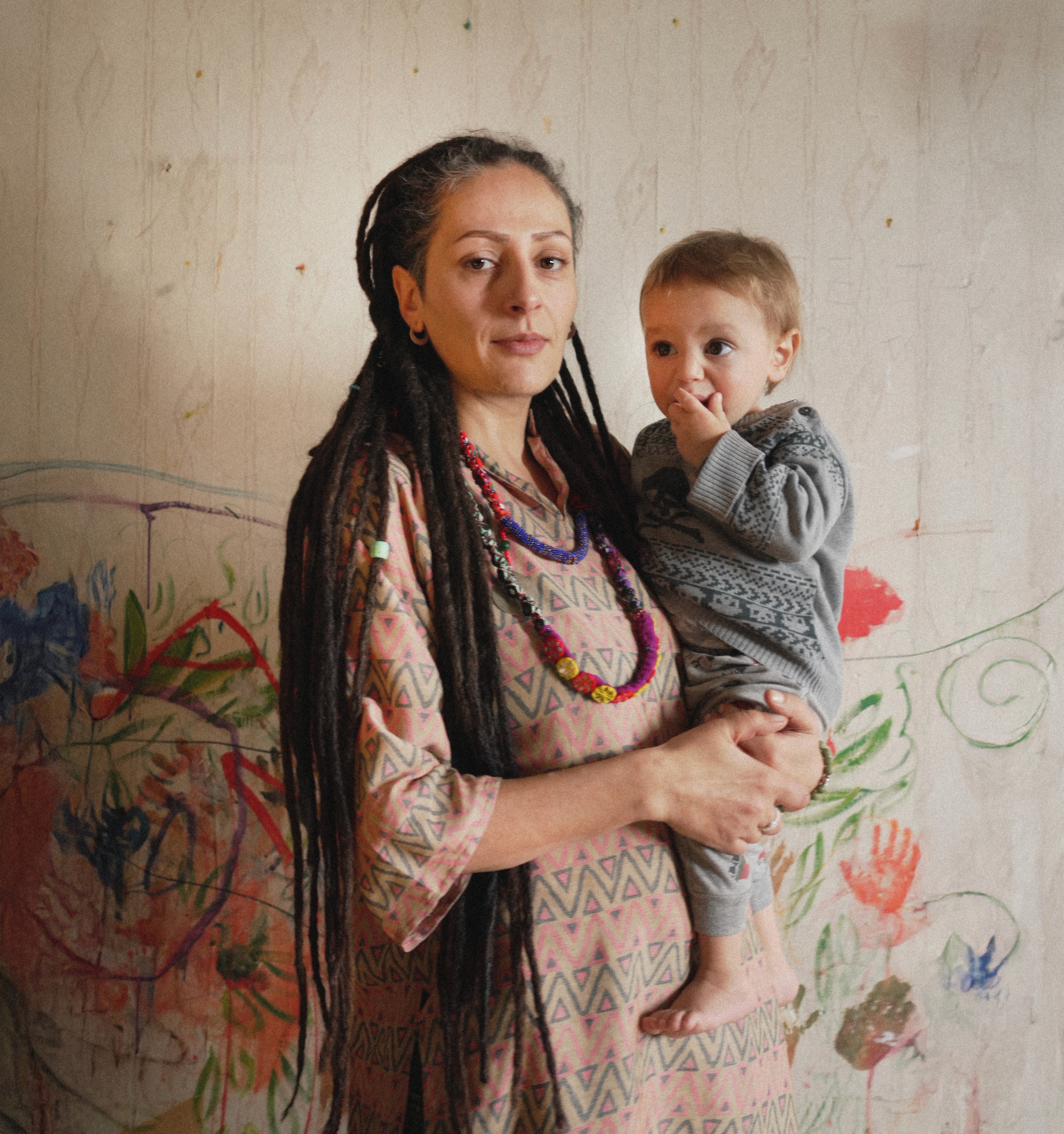
Photography: DASEIN